Tuesday - Saturday 9:00 AM-5:00 PM(306) 522-2210hello@dehaarhair.ca2550 12 Ave #110, Regina, SK S4P 3X1
Revovery-from-a-hair-transplant-image-1200x800.png

How Long Does Hair Transplant Recovery Take?

Quick Answer: You can typically return to desk work within 5 to 10 days and resume exercise after 4 weeks. Full results of your transplant are visible at 12–18 months.

  • Physical healing (scalp recovery): 7–14 days for most patients to return to work and light activity; 4–6 weeks for full scalp healing.
  • Full, final results of the transplant are seen at 12–18 months. Most patients are surprised by how manageable the physical recovery is. The longer timeline refers to the hair growth process and not ongoing discomfort or restriction.

Hair transplant recovery time is one of the most searched topics by people considering hair restoration and for good reason. Knowing what to expect, and when, is essential for planning your procedure around your work, lifestyle, and personal commitments. Most patients return to normal daily activities within 7 to 14 days. Full, visible results can take 12 to 18 months. But what happens between those two milestones is a gradual, well-defined process and understanding this will help you prepare properly and stay confident. Here is a break down of the hair transplant recovery process stage by stage, including the difference between FUE and FUT recovery, and exactly what you should and should not do at each point in time.

FUE Recovery vs. FUT Recovery: What Is the Difference?

The recovery experience differs meaningfully depending on which technique was used. Understanding these differences will help you plan appropriately.

FUE Recovery Time

FUE (Follicular Unit Extraction) is a minimally invasive technique that leaves no linear scar. Individual follicles are extracted using a small punch tool, leaving tiny circular healing sites across the donor area.

  • Donor area heals quickly, typically within 5–7 days
  • No stitches required
  • Most patients return to desk work within 5–7 days
  • Discomfort is generally mild and short-lived
  • You can wear very short hairstyles without visible scarring once healed

FUT Recovery Time

FUT (Follicular Unit Transplantation) involves removing a strip of scalp from the donor area, which is then closed with sutures. This results in a slightly longer recovery in the donor region.

  • Sutures are typically removed at 10 days
  • A feeling of tightness or pulling at the back of the scalp is common for 1–2 weeks
  • Most patients return to desk work within 7–10 days
  • Physical activity restrictions last slightly longer than with FUE
  • A linear scar is left, which is concealed by surrounding hair at normal lengths

Key Insight: FUE generally offers a faster, more comfortable recovery. FUT may involve a little more initial discomfort in the donor area but can deliver higher graft yields for patients with more advanced hair loss.

Hair Transplant Aftercare: What to Do and What to Avoid

Following your aftercare instructions is one of the most important factors in determining the success of your procedure. Here is a general guide to the key dos and don’ts during recovery.

The First 72 Hours

  • Sleep with your head elevated at approximately 45 degrees to minimize swelling
  • Take any prescribed medications as directed
  • Do not touch, scratch, or rub the recipient or donor areas
  • Avoid alcohol for at least 5 days post-procedure
  • Avoid smoking because it restricts blood flow and impairs healing

Days 3–14

  • Begin gentle hair washing using the method and products recommended at your aftercare appointment
  • Allow scabs to fall away naturally, never pick or force them off
  • Avoid direct sun exposure on the scalp and wear a loose hat if going outdoors
  • Avoid swimming pools, saunas, and steam rooms
  • Avoid strenuous exercise, heavy lifting, and activities that raise your heart rate significantly or cause you to perspire.

Weeks 2–6

  • Light cardio (walking) can generally resume after 2 weeks
  • Avoid any contact sports or activities that risk impact to the scalp for at least 4 weeks
  • Continue protecting the scalp from prolonged sun exposure
  • Resume hair washing as advised

Understanding Shock Loss After a Hair Transplant

One of the most commonly asked questions during recovery is why transplanted hair falls out in the weeks after the procedure. This is called shock loss (also referred to as effluvium). This is a completely normal part of the hair transplant recovery process and not a sign that the procedure has failed. When transplanted follicles are relocated, they temporarily enter a resting phase. The hair shafts shed out of the follicle, but the follicles remain intact beneath the scalp and will begin producing new hairs within 2–4 months. Understanding this process in advance is essential for maintaining realistic expectations and avoiding unnecessary concern. In some cases, existing non-transplanted hair surrounding the recipient area may also temporarily shed. This too is normal and typically resolves as the scalp heals.

When Can I Return to Work After a Hair Transplant?

This is one of the most practical questions patients ask and the answer depends on the nature of your work and the transplant method used.

  • Desk-based or remote work: most patients return within 5 to 10 days
  • In work where appearance matters: some patients prefer to wait 10 to 14 days until redness and scabbing have substantially resolved
  • Physically demanding jobs such as construction, manual labour and a job that involves heavy lifting typically take 2–4 weeks

If discretion is a priority, speak with Dr Gerbrands about scheduling your procedure ahead of a planned break or period of leave.

When Can I Exercise After a Hair Transplant?

  • Light walking: after 1 week
  • Moderate cardio (cycling, jogging): after 2–3 weeks
  • Gym training and weightlifting: after 4 weeks
  • Swimming (pools, open water): after 4–6 weeks
  • Contact sports: after 4–6 weeks minimum, with surgeon approval

The primary concern with early exercise is increased blood pressure and sweating, both of which can disrupt the healing grafts before they have fully established.

Factors That Can Affect Your Recovery Time

While the timeline above reflects typical recovery for most patients, individual healing rates vary. Factors that can influence how quickly you recover include:

  • Age: younger patients often heal more quickly
  • Overall health and immune function
  • Smoking: smoking significantly impairs healing and graft survival
  • The number of grafts transplanted: larger sessions may involve a slightly longer recovery
  • Adherence to aftercare instructions: this is one of the most controllable factors
  • The technique used (FUE typically heals faster than FUT)

How long does redness last after a hair transplant?

Redness in the recipient area typically fades within 1–2 weeks for most patients. In some cases, a mild pink tint may persist for up to 4 weeks, particularly in fair-skinned patients. This is temporary and resolves completely.

When can I wash my hair normally after a hair transplant?

We will provide you with specific washing instructions during your first aftercare appointment. Gentle washing using a prescribed technique is introduced early to keep the scalp clean and promote healing. Normal washing and styling typically resume around 2 weeks post-procedure, though Dr Gerbrands will advise you based on your individual progress.

Will anyone be able to tell I have had a hair transplant?

During the first 1–2 weeks, scabbing and redness are visible upon close inspection. By the second week most patients find these signs have faded sufficiently for day-to-day life. If discretion is important to you, planning your procedure around a period of leave is worth considering.

In Conclusion

Hair transplant recovery is more manageable than most people expect. The physical healing phase, scabbing, redness, and activity restrictions are largely resolved within two weeks. The longer part of the journey is the hair growth timeline, which unfolds gradually over 12 to 18 months and rewards patience with permanent, natural-looking results. Planning your procedure with a clear understanding of the recovery process makes the entire experience smoother, less stressful, and ultimately more rewarding.

We will do our best to work with you to plan your procedure around your schedule. Contact us today.

Lifelong-Benefits-of-a-hair-transplant.png

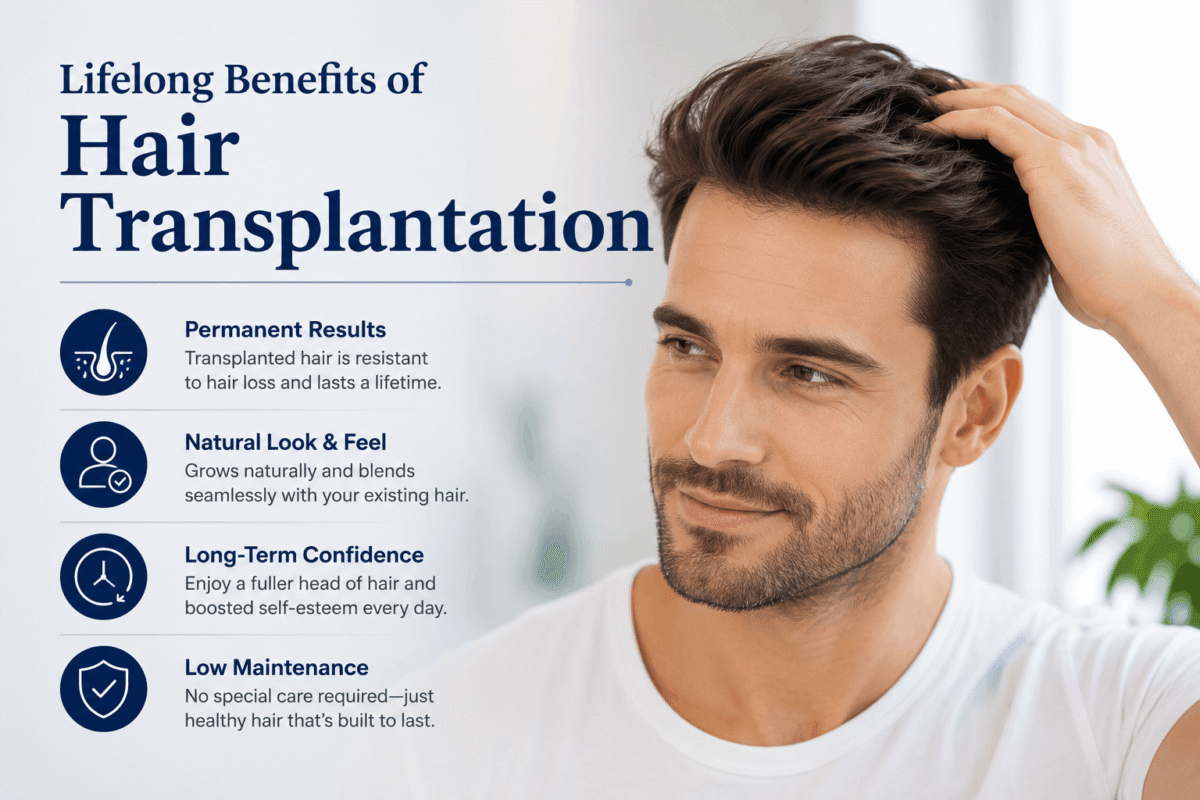
Hair transplantation is a very popular solution for those experiencing alopecia. There are many advantages to having a hair transplant over taking medication to maintain your hair. First of all, medication works to maintain the hair as much as possible, so long as you take the medication. For some people this is not an option due to potential side effects and although these side effects are rare, they do affect some people. Medications have helped hair transplant recipients to maintain any original hair that was already in the balding areas prior to adding the transplanted hair.  Hair transplants relocate viable, healthy hair producing follicles that are resistant to hair loss into areas that have already lost hair or areas where one may not have  any viable hair follicles to ever produce hair. Once hair is transplanted from the donor area,  these hairs continue to grow naturally, providing a permanent long-term solution.

Modern hair transplant techniques allow for a natural seamless look that is virtually undetectable. Transplanted hair is no different than any other natural hair on your head and after the brief healing period of the procedure itself, it can be treated just like any other hair on your scalp. There is absolutely no need for any special maintenance or products in order to keep your transplanted hair.

It is common knowledge that restoring your hair can significantly increase your confidence, boost your self esteem and give you a more attractive and youthful look. The best part is that people look so much more youthful and refreshed and with todays methods, they are so natural that they are virtually undetectable.

Transplants are more affordable than ever before, and in reality, they are far more economical in the long run compared to the expense of prescription medications and topical solutions that need to be taken daily for the rest of your life in order to maintain your hair. De Haar Hair Restoration combines world-class hair transplant expertise with competitive pricing, allowing you to receive outstanding care close to home without compromising on quality or after care and eliminates the uncertainty of travelling abroad.

The great thing about hair transplants is that you can actually design the hairline and create a custom look that suits your facial structure, and you can also obtain the desired density so long as you have the appropriate donor hair available. Hair transplants complement your appearance. The benefit of transplanted hair is that it is resistant to the effects of DHT, which is the hormone responsible for alopecia. Transplanted hair follicles continue to produce hair throughout your lifetime so, you never lose your investment. Feeling more confident in professional and social settings is a great benefit for those of us that worry about judgment from others or even  our own dissatisfaction in how we look.

Modern techniques of hair transplants are minimally invasive and have a very quick recovery time. In the hands of a qualified board-certified hair loss surgeon, there is minimal risk of complications and apart from an initial pinch that barely lasts a second or two at the start of the procedure when the scalp is anesthetized, it is a very comfortable procedure. Patients are minimally sedated so the time flies and by the time the transplant is finished it seems like you’ve only been sitting for a very short amount of time. During the procedure our patients listen to music, play games on their devices, chat  with staff and some even sleep. That’s how comfortable it is.

The benefits of a hair transplant will last a lifetime and it only takes one day to change everything. Of patients who choose hair transplantation, they often tell us they wish they had done it sooner and that it was so much easier than they had anticipated. Give us a call for hair that lasts a lifetime and start living your best life.

Hair-transplant-myths-vs-reality-1200x800.png

Hair transplantation has come a long way over the past two decades, yet many people still picture the outdated procedures of the past. Images of obvious plugs, lengthy recovery times, painful surgery, and prohibitively high costs continue to shape public perception, preventing many individuals from exploring a treatment that has become far more refined and accessible.

One of the biggest misconceptions is that a hair transplant is painful. In reality, modern hair transplantation is performed under local anesthetic, meaning patients remain awake but comfortable throughout the procedure. The initial anesthetic injection is a brief pinch lasting a few seconds and other than that, the procedure is painless and well tolerated. Many patients spend the day listening to music, watching tv, chatting with staff or even sleeping in many cases.

Another common myth is that a hair transplant requires months of downtime. In reality most people return to work within a few days, depending on the nature of their job. Mild redness and tiny scabs are a normal part of healing and improve significantly within the first week or two. Physical activity may need to be limited briefly to avoid heavy lifting and sweating, but recovery is generally quicker than most people expect.

Many believe that hair transplants produce an artificial appearance. While that may have been true decades ago, advances in surgical techniques now allow surgeons to transplant the follicular units in a manner that recreates hairlines and density with precision giving natural-looking results. The goal is a result that suits the individual’s age, facial features, and future pattern of hair loss.

Cost is another area where perceptions have not kept pace with reality. Hair transplants are often viewed as a luxury reserved for the wealthy, but technological advances and improved surgical efficiency have made today’s procedures more affordable than ever before. While costs vary depending on the extent of treatment, many people are surprised to learn that a hair transplant is far more attainable than they expected.

There is also a misconception that anyone experiencing hair loss is automatically a candidate for surgery. A successful transplant begins with a thorough assessment of the cause of hair loss, the stability of the condition, and the quality of the donor hair. In some cases, medical treatment may be recommended before surgery is considered.

Modern hair transplantation is no longer defined by outdated techniques or misconceptions. Understanding the facts allows people to make informed decisions about a procedure that is safer, more natural, and more accessible than ever before.

If you’ve been considering a hair transplant but have been held back by outdated information or common misconceptions, the best place to start is with a comprehensive consultation. At De Haar Hair Restoration, we believe every successful outcome begins with an accurate diagnosis, honest recommendations, and a personalized treatment plan designed around your individual needs.

Masculinr-vs-feminine-hairline-1200x800.png

For many transgender men and transmasculine individuals, creating a masculine hairline can be an important step in aligning their appearance with their gender identity. While changes in facial hair, voice, and body shape are often discussed during gender-affirming care, the hairline is another defining facial feature that plays a significant role in how a face is perceived. The shape, height, and contour of the hairline contribute to the overall balance of the face. Masculine hairlines typically differ from feminine hairlines in subtle but important ways, including the position of the frontal hairline, the contour of the temples, and the overall shape across the forehead. Thoughtful hairline design can enhance facial harmony while creating a natural, masculine appearance that complements each individual’s unique facial features. Hairline masculinization is never about creating a single “ideal” hairline. Every face is different, and every patient has their own goals. The most successful results are achieved through careful planning that considers facial proportions, hair characteristics, donor hair availability, and long-term changes that may occur over time. Read about feminization transplants

What is Hairline Masculinization?

Hairline masculinization is a gender-affirming procedure designed to reshape the hairline, so it more closely reflects the characteristics typically associated with a masculine appearance. For many transgender men and transmasculine individuals, the hairline is an important facial feature that contributes significantly to how their face is perceived. Even subtle changes to the shape and contour of the hairline can have a profound impact on overall facial harmony. While testosterone therapy can produce many masculinizing changes throughout the body, it does not alter an existing feminine hairline. Hairline masculinization uses careful surgical planning and hair transplantation to reshape the frontal hairline and temples, creating a more masculine appearance while maintaining a natural result that complements the individual’s facial features. The goal is not simply to move the hairline higher or create more temple recession. Every hairline should be individually designed to suit the patient.

Characteristics of a Masculine Hairline

Although every hairline is unique, masculine hairlines generally share several distinguishing characteristics. Compared with feminine hairlines, they tend to sit slightly higher on the forehead and have a flatter, more horizontal central contour. The temples usually display a gentle, natural recession, creating the subtle temporal angles that are commonly seen in adult men. Natural masculine hairlines are also intentionally irregular. Rather than forming a perfectly straight line across the forehead, they contain slight variations in contour and hair direction that soften the appearance and avoid an artificial look. This irregularity is carefully recreated during hair transplantation using single-hair follicular units along the leading edge of the hairline. Hair density is another important consideration. A masculine hairline should appear natural rather than excessively dense or sharply defined. The transplanted hair is strategically distributed to create a gradual transition from the forehead to the thicker hair behind the hairline, mimicking the way hair naturally grows.  One of the most important aspects of hairline masculinization is long-term planning. Hairlines naturally mature with age, and every design should take future changes into account. Creating an age-appropriate hairline that respects the limitations of the donor area helps ensure the result continues to look balanced and natural for many years. At De Haar Hair Restoration, we believe hairline masculinization is about much more than transplanting hair. It is the careful combination of facial aesthetics, surgical precision, and individualized planning that creates a masculine hairline that is both authentic and enduring.

“The goal is not to simply move the hairline higher, or increase temple recession. Every hairline should be  individually designed to suite facial proportions, age, hair characteristics and ethnicity”

Planning Your Hairline

The success of hairline masculinization begins long before the procedure itself. Careful planning is the foundation of achieving a natural, masculine appearance that complements the individual and continues to look appropriate for years to come. Rather than following a standard template, every hairline should be designed specifically for the patient. One of the first considerations is facial proportion. The height of the forehead, the shape of the face, the position of the eyebrows, and the overall facial balance all influence where the hairline should be placed. Even small adjustments to the position or contour of the hairline can dramatically change the way the face is perceived. The goal is to create harmony between the hairline and the patient’s natural facial features. Hair characteristics are equally important. Hair colour, calibre, curl, wave, and the contrast between the hair and skin all influence how much density is needed to achieve a natural result. These factors help determine not only the design of the hairline but also the number of grafts that may be required to create the desired appearance. Donor hair availability is another essential part of the planning process. Because the donor area contains a limited number of permanent hair follicles, every graft is used strategically. A carefully designed treatment plan balances the your current goals with the need to preserve donor hair should additional procedures ever be wanted in the future. Long-term planning is particularly important. While transplanted hair is generally permanent, the surrounding native hair may continue to change over time. Designing an age-appropriate, balanced hairline helps ensure that the result remains natural as the patient ages and minimizes the likelihood of future revisions. Equally important is understanding the patient’s personal goals. Masculinity is not defined by a single hairline shape, and every individual has their own vision of what feels authentic to them. During the consultation, time is taken to discuss expectations, review design options, and develop a personalized surgical plan that reflects both the patient’s aesthetic goals and the principles of natural hairline design.

“At De Haar Hair Restoration, hairline planning is a collaborative process. We work closely with you to create a hairline that is both technically achievable and aesthetically balanced, with the goal of delivering results that look completely natural and affirming”

Hairline Masculinization with Hair Transplantation

Hair transplantation offers the ability to reshape far more than the frontal hairline alone. While creating natural recession at the temples is often one of the defining features of hairline masculinization, a comprehensive treatment plan may also include other facial features that contribute to a more masculine appearance. One of the most important areas is the frontotemporal region, where the frontal hairline meets the temples. In many individuals assigned female at birth, this area tends to have a smoother, more rounded contour. By carefully recreating the gentle temporal recession commonly seen in adult males, hair transplantation can transform the overall shape of the hairline while maintaining a natural appearance. These subtle changes often have a significant impact on facial perception without appearing obvious or overdone.

Hair transplantation can also be used to enhance other areas of the face when appropriate. Eyebrow transplantation may be performed to create a straighter, fuller eyebrow with characteristics that are more typically associated with a masculine appearance. Likewise, sideburn reconstruction can help establish stronger facial framing and create a seamless transition between the scalp hair and facial hair. For some patients, these additions further enhance gender affirmation and produce a more balanced overall result. Because Follicular Unit Extraction (FUE) transplants individual naturally occurring follicular units, transplanted hairs grow naturally and can be trimmed, groomed, and styled just like the surrounding hair. The surgeon carefully selects single or multi-hair grafts depending on the area being treated, ensuring that each transplanted hair matches the natural characteristics of the surrounding region.

“Hairline masculinization can easily be combined with eyebrow transplantation or additional facial hair transplantation as part of a broader gender-affirming treatment.  Customized to your goals and designed to achieve natural, harmonious, and long-lasting results”


Hair-loss-diagnosis-before-treatment-1200x800.png

Hair loss affects millions of men and women and can have a profound impact on self-image, confidence, and overall well-being. Whether you’ve noticed increased shedding in the shower, a widening part, a receding hairline, or thinning at the crown, the experience can be frustrating and often raises more questions than answers. It’s natural to begin searching for solutions, but before choosing a treatment, it’s important to understand why your hair loss is occurring in the first place. One of the most common misconceptions is that hair loss itself is a diagnosis. In reality, it is a symptom. Much like a persistent cough or recurring headache, hair loss can result from many different underlying conditions. Genetics, hormonal changes, autoimmune disorders, nutritional deficiencies, medications, inflammatory scalp conditions, physical or emotional stress, and certain medical illnesses can all affect the normal hair growth cycle. Although these conditions may produce similar patterns of thinning or shedding, they often require very different approaches to treatment. This is why an accurate diagnosis is the cornerstone of successful hair restoration. Understanding the underlying cause helps determine whether hair follicles are likely to recover, whether medical therapy may be effective, whether additional investigations are needed, or whether surgical hair restoration may eventually be an appropriate option. Without a clear diagnosis, even well-intentioned treatments can be ineffective, unnecessary, or delay the care that is truly needed.

At De Haar Hair Restoration, we believe that every successful hair restoration journey begins with understanding the individual, not simply treating the symptom. A comprehensive assessment allows us to identify the cause of hair loss, explain what it means for your long-term hair health, and develop a personalized treatment plan based on your diagnosis, goals, and expectations.

In this comprehensive article, we’ll explore how healthy hair grows, why hair loss occurs, how specialists diagnose the most common causes of hair loss, and why identifying the correct diagnosis is the most important step in choosing the right treatment.

“We diagnose hair loss, explain the cause, and recommend the treatment that’s right for you.”
  • Sometimes that’s medication.
  • Sometimes it’s observation.
  • Sometimes it’s treating an underlying medical condition.
  • Sometimes it’s PRP or microneedling.
  • Sometimes it’s surgery.
  • And sometimes the most ethical recommendation is to advise against a transplant.

Two people can have hair loss that looks almost identical, yet one may require medication while the other has an inflammatory condition that needs prompt medical treatment. Appearance alone is not always enough to determine the cause. Hair transplantation is one of the most effective treatments available for carefully selected patients. However, it is not the right solution for every type of hair loss. Successful hair restoration begins by identifying the underlying cause and recommending the treatment or combination of treatments that offers the greatest long-term benefit for each individual. 

Patient education is critical to an informed decision. Many clinics fail to disclose the following:
  • A patient with Telogen effluvium doesn’t need a transplant.
  • Someone with Alopecia areata isn’t usually helped by transplantation while the disease is in its active state.
  • A patient with an untreated Scarring alopecia needs the inflammation controlled before any type of surgery is considered.
  • A person with Iron deficiency or Thyroid disease may improve once the underlying condition is treated.
  • Some people with early Androgenetic alopecia may preserve their existing hair for years with medical therapy.
  • Transplants can be more effective with adjunct therapies to restore and preserve the surrounding hair

Our goal isn’t to recommend a hair transplant. Our goal is to recommend and deliver the right treatment.

Understanding the Hair Growth Cycle

The average scalp contains approximately 100,000 hair follicles. At any given time, each follicle is at a different stage of the hair growth cycle, allowing new hairs to grow while older hairs are naturally shed. This carefully balanced process helps maintain consistent hair density throughout life.

The hair growth cycle actually consists of four distinct phases, but many physicians will often depict the exogen and telogen phases as one of the same.

Anagen (Growth Phase)
The anagen phase is the active period of hair growth and typically lasts between two and seven years, although this varies from person to person and is influenced by genetics

Catagen (Transition Phase)
Catagen is a short transitional stage that lasts approximately two to three weeks. During this phase, the hair follicle gradually shrinks and separates from its blood supply, signaling the end of active growth.

Telogen (Resting Phase)
The telogen phase lasts for approximately two to four months. During this time, the hair remains anchored within the follicle but is no longer actively growing.

Exogen (Shedding Phase)
Exogen is the stage during which the resting hair is naturally released from the follicle. Shedding between 50 and 100 hairs each day is considered normal for most healthy adults. As one hair is shed, a new hair is often already beginning to emerge from the same follicle, allowing the cycle to continue uninterrupted.

Understanding how the normal hair growth cycle works provides the foundation for understanding why hair loss occurs. Every diagnosis discussed in this article affects the hair cycle in a different way, which is why identifying the underlying cause is essential before deciding on the most appropriate treatment.

Why Hair Loss Happens

Although hair loss is often thought of as a single condition, it is actually a symptom with many possible causes. While the outward signs may appear similar such as increased shedding, thinning, or a receding hairline, the biological processes occurring beneath the surface of the scalp can be very different. Understanding these differences is essential because the most effective treatment depends on the underlying cause. Broadly speaking, hair loss occurs in one of four ways.

The Hair Growth Cycle Is Disrupted

Some conditions interfere with the normal hair growth cycle, causing an unusually large number of hairs to enter the resting (telogen) and shedding (exogen) phases at the same time. This often results in noticeable, diffuse hair shedding that can occur several months after the triggering event. Common examples include physical illness, surgery, significant emotional stress, childbirth, rapid weight loss, or certain medications.

Hair Follicles Gradually Become Smaller

In pattern hair loss, also known as androgenetic alopecia, genetically susceptible hair follicles become increasingly sensitive to the effects of dihydrotestosterone (DHT). Over time, these follicles gradually shrink in a process known as miniaturization. As this happens, each new hair grows back finer, shorter, and less pigmented than the one before it. Without treatment, some follicles may eventually stop producing hairs altogether.

The Hair Follicle Is Damaged by Inflammation or Disease

Certain medical conditions cause inflammation within the scalp that directly affects the hair follicle. In some cases, this inflammation is temporary and the follicle can recover. In others, particularly the scarring alopecia’s, the follicle is permanently destroyed and replaced by scar tissue. Once this occurs, the follicle cannot regenerate, making early diagnosis especially important.

Hair Breaks Instead of Falling Out

Not all apparent hair loss is true hair loss. Sometimes the follicle continues to produce healthy hair, but the hair shaft becomes weak and breaks before it reaches its normal length. Heat styling, chemical treatments, traction from tight hairstyles, nutritional deficiencies, and certain hair disorders can all contribute to excessive breakage. Although these four mechanisms are very different, they can produce similar symptoms. Two people may both notice thinning hair, yet one may benefit from medication, another from treating an underlying medical condition, another from lifestyle changes, and another may ultimately be an excellent candidate for hair transplantation. This is why a thorough assessment is so important. Rather than focusing only on where the hair is thinning, an experienced clinician seeks to understand why it is happening. Once the underlying cause has been identified, a personalized treatment plan can be developed with confidence. Read more about the science of hair loss.

The Diagnostic Process: How Hair Loss is Evaluated at De Haar

An accurate diagnosis is the foundation of successful hair restoration. While many people focus on finding the right treatment, experienced clinicians know that the most important question comes first:

Why is the hair loss happening?

The answer is rarely found by looking at the hair alone. A thorough evaluation considers your medical history, family history, lifestyle, medications, overall health, and a detailed examination of both your hair and scalp. Each piece of information provides valuable clues that help identify the underlying cause and guide the most appropriate treatment plan. At De Haar Hair Restoration, we believe every patient deserves an individualized assessment. No two people experience hair loss in exactly the same way, and no single treatment is appropriate for everyone.

Medical History

The diagnostic process begins with a conversation. Understanding when the hair loss started, how quickly it has progressed, and whether it occurred suddenly or gradually often provides the first important clues. You will be asked questions about:

  • Family history of hair loss
  • Recent illness or surgery
  • Pregnancy or childbirth
  • Emotional or physical stress
  • Rapid weight loss
  • New medications
  • Hormonal changes
  • Medical conditions such as thyroid disease or autoimmune disorders
  • Nutritional concerns
  • Previous hair restoration treatments

Although these questions may seem unrelated to your hair, they help narrow the list of possible causes before the scalp is even examined.

Examining the Hair and Scalp

The physical examination provides valuable information that cannot be obtained through photographs alone. Your evaluation includes:

  • The pattern of hair loss
  • Hair density throughout the scalp
  • Hair shaft thickness and quality
  • The hairline and temple recession
  • Crown involvement
  • Evidence of inflammation or redness
  • Scaling or skin changes
  • Broken hairs
  • Signs of scarring
  • Donor hair quality and density, when hair transplantation is being considered

Many forms of hair loss have distinctive patterns that help guide the diagnosis. Careful examination often allows us to distinguish between conditions that may appear very similar to the untrained eye.

Trichoscopy: Looking Beyond the Surface

One of the most valuable diagnostic tools in modern hair restoration is Trichoscopy, a non-invasive examination of the scalp using specialized magnification. By closely examining the scalp and hair follicles,  we can identify subtle changes that are often invisible to the naked eye. Trichoscopy may reveal:

  • Hair follicle miniaturization
  • Variation in hair shaft diameter
  • Signs of inflammation
  • Follicular openings
  • Broken hairs
  • Hair shaft abnormalities
  • Features suggestive of scarring alopecia

These findings can significantly improve diagnostic accuracy and, in many cases, reduce the need for more invasive investigations.

Are Blood Tests Always Necessary?

One of the most common questions patients ask is whether blood work is required. The answer depends on the individual. Routine laboratory testing is not necessary for every patient. However, blood tests may be recommended when the history or examination suggests an underlying medical condition, nutritional deficiency, or hormonal imbalance. Depending on the clinical situation, investigations may include assessments of iron stores, thyroid function, vitamin levels, or other laboratory markers. Testing is most valuable when it is guided by the clinical findings rather than performed routinely.

Is a Scalp Biopsy Ever Necessary?

In some situations, particularly when an inflammatory or scarring hair disorder is suspected, a scalp biopsy may provide important diagnostic information.  A small sample of scalp tissue is examined under a microscope by a pathologist, allowing the clinician to evaluate the hair follicles and surrounding tissue in greater detail. Fortunately, biopsies are required only in a small percentage of patients and are generally reserved for cases where the diagnosis remains uncertain, or confirmation is needed before treatment begins.

Bringing the Pieces Together

No single test can diagnose every form of hair loss. Instead, an accurate diagnosis is reached by combining information from your medical history, scalp examination, Trichoscopy, and, when appropriate, laboratory investigations or biopsy findings. This comprehensive approach allows clinicians to identify the underlying cause of hair loss, explain what it means for your long-term hair health, and recommend a treatment plan tailored to your individual needs. Only after understanding why hair loss is occurring can the most appropriate treatment, whether medical therapy, non-surgical treatments, hair transplantation, or a combination of approaches be recommended with confidence.

“Why we don’t recommend the same treatment for everyone”

Two patients may both experience thinning hair, yet one may require treatment for an underlying medical condition, another may benefit from medication to slow progressive hair loss, while a third may be an excellent candidate for hair transplantation. Recommending the same treatment without first identifying the cause risks disappointing results with ineffective treatments, missed opportunities and in cases of scarring alopecia’s and certain medical conditions can actually cause harm.

Understanding the Most Common Causes of Hair Loss

Hair loss is not a disease. It is a symptom that can result from many different conditions, each affecting the hair follicle in its own unique way. Some forms of hair loss are temporary and completely reversible, while others are progressive and require long-term management. Certain conditions respond well to medical treatment, some may eventually be treated with hair transplantation, and others require prompt medical intervention to prevent permanent damage to the hair follicles. Although many types of hair loss may appear similar at first glance, the underlying causes can be remarkably different. Two people with thinning hair may receive completely different diagnoses and, as a result, require entirely different treatment plans. This is why an accurate diagnosis is so important. The goal is not simply to treat the symptom, but to understand the condition causing it. In the following section, we’ll explore some of the most common causes of hair loss seen in clinical practice. While this is not an exhaustive list, it includes the conditions responsible for the majority of hair loss experienced by both men and women. Understanding how each condition affects the hair growth cycle will help explain why treatment recommendations can vary so significantly from one person to another.

Not every person with hair loss needs a hair transplant and  not every person with hair loss needs medication but every person with hair loss deserves an accurate diagnosis.
 Androgenetic Alopecia (Male and Female Pattern Hair Loss)

Androgenetic alopecia, commonly known as male or female pattern hair loss, is the most common cause of hair thinning worldwide. It is a genetic condition in which susceptible hair follicles gradually become smaller over time, producing finer and shorter hairs with each growth cycle. Although it is progressive, early diagnosis and treatment can often slow further hair loss and help preserve existing hair. For suitable candidates, hair transplantation may also be an effective long-term solution. Read more about Androgenetic Alopecia

Telogen Effluvium

Telogen effluvium is a temporary form of hair loss that occurs when a larger-than-normal number of hair follicles enter the resting and shedding phase of the hair growth cycle. It commonly develops several months after a physical or emotional stress, illness, surgery, childbirth, or significant weight loss. Although the shedding can be alarming, the condition is often reversible once the underlying trigger has been addressed.

Alopecia Areata

Alopecia areata is an autoimmune condition in which the body’s immune system mistakenly attacks healthy hair follicles, often resulting in smooth, round patches of hair loss. The condition can affect people of all ages and varies considerably from person to person. Early diagnosis is important because treatment may help reduce inflammation and encourage regrowth. Read more about Alopecia Areata

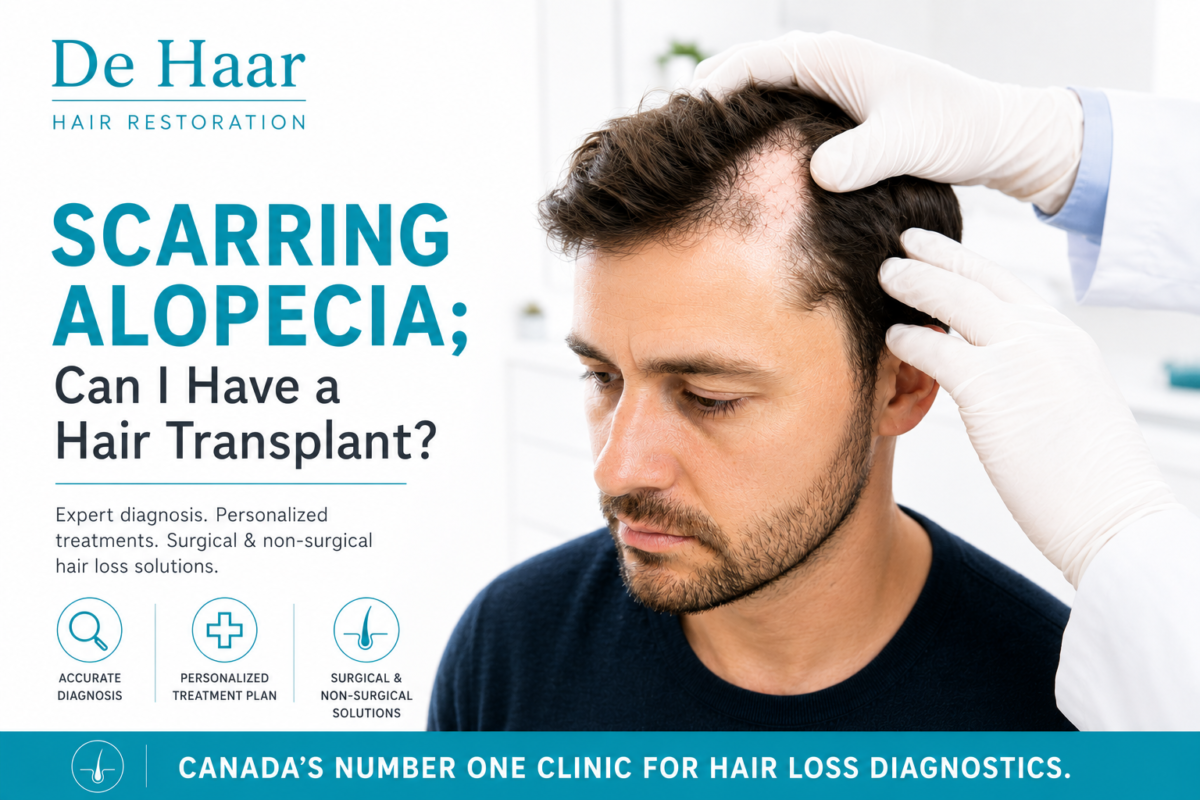
Scarring Alopecia’s

Scarring alopecia’s are a group of inflammatory hair disorders that permanently damage hair follicles. Unlike many other forms of hair loss, destroyed follicles cannot regrow hair naturally, making early diagnosis and treatment especially important. Recognizing these conditions before permanent scarring occurs can help preserve remaining hair and improve long-term outcomes.

Female Pattern Hair Loss

Female pattern hair loss is one of the most common causes of thinning hair in women. Rather than causing a receding hairline, it typically presents as a gradual reduction in hair density over the top of the scalp while the frontal hairline is often preserved. A combination of medical treatments and, in selected cases, surgical hair restoration may be recommended depending on the severity of hair loss.

Hormonal Hair Loss

Hormonal changes can significantly influence the hair growth cycle. Conditions such as polycystic ovary syndrome (PCOS), thyroid disorders, menopause, pregnancy, and postpartum hormonal changes may all contribute to increased shedding or thinning. Identifying and managing the underlying hormonal imbalance is often an important part of successful treatment. Read more about PCOS and Thyroid Disorders.

Autoimmune Disease and Hair Loss

Autoimmune diseases occur when the body’s immune system mistakenly attacks its own healthy tissues. In some conditions, the hair follicles themselves become the target, while in others, inflammation or the underlying illness disrupts the normal hair growth cycle. The result can be patchy hair loss, diffuse thinning, increased shedding, or, in some cases, permanent hair loss if the follicles become scarred. Conditions such as alopecia areata, lupus, lichen planopilaris, frontal fibrosing alopecia, and other autoimmune disorders can all affect hair growth in different ways. Because treatment depends on the specific diagnosis, early evaluation is important. Identifying autoimmune-related hair loss promptly can help preserve existing hair, control inflammation, and improve long-term outcomes.

Nutritional Deficiencies and Hair Loss

Healthy hair depends on adequate nutrition. Deficiencies in iron, protein, vitamin B12, vitamin D, zinc, and other essential nutrients may contribute to increased shedding or slower hair growth. While nutritional deficiencies are not the most common cause of hair loss, they should be considered when supported by a patient’s medical history and clinical findings. Certain prescription medications can interfere with the normal hair growth cycle, leading to increased shedding or thinning. Hair loss associated with medication is often temporary, but recognizing the relationship between the medication and the onset of symptoms is essential before making changes to treatment.

Traction Alopecia

Traction alopecia develops when prolonged tension on the hair gradually damages the follicles. Tight hairstyles, hair extensions, braids, and similar styling practices are common causes. If identified early, traction alopecia is often reversible; however, longstanding tension can result in permanent follicle damage.

In Conclusion

Hair loss can be an emotional and often overwhelming experience, but understanding the cause is the first step toward finding the right solution. While many people focus on treatments, successful hair restoration begins with an accurate diagnosis. Hair loss is not a single condition, and there is no one-size-fits-all approach. The same symptom can have many different causes, each requiring a different treatment strategy.

Whether your hair loss is caused by genetics, hormonal changes, an autoimmune condition, nutritional deficiency, stress, medication, or an inflammatory scalp disorder, identifying the underlying cause allows treatment to be tailored to your individual needs. In many cases, early diagnosis can help preserve existing hair, improve treatment outcomes, and provide a wider range of options for the future.

At De Haar Hair Restoration, our approach is built on understanding the cause before recommending the treatment. For some patients, that may mean medical therapy or non-surgical treatments. For others, it may involve treating an underlying medical condition first. And for carefully selected candidates, a hair transplant can provide a natural, long-lasting solution. Whatever the recommendation, our goal is always the same, to provide honest, evidence-based advice and help you make informed decisions about your hair restoration journey.

If you are concerned about hair loss, don’t focus on finding the first treatment you see online. Start by finding the right diagnosis. Once you understand why your hair loss is occurring, you can move forward with confidence, knowing that the treatment you choose is based on the best available evidence and your individual needs.

If you’re experiencing hair loss and would like a comprehensive assessment, our team is here to help you understand the cause, discuss your options, and recommend the treatment that’s right for you. Book a consultation today.

Hair-Transplant-Glossary-1200x800.png

Understanding terminology can sometimes feel overwhelming. From medical terms like androgenetic alopecia and follicular miniaturization to surgical terminology such as grafts and follicular units, patients are often introduced to unfamiliar language during their research. At De Haar, we believe that understanding your diagnosis and options begins with understanding the terminology. This glossary explains many of the most common words and phrases used in hair transplantation field in clear, patient-friendly language, helping you feel more informed and confident throughout your hair restoration journey.

A

Alopecia: The medical term for hair loss. Alopecia describes any condition that results in partial or complete hair loss and includes many different types, such as androgenetic alopecia, alopecia areata, telogen effluvium, and scarring alopecia.

Alopecia Areata: An autoimmune condition in which the immune system mistakenly attacks healthy hair follicles, resulting in smooth, round patches of hair loss. Hair regrowth is often possible because the follicles usually remain alive.

Anagen Phase: The active growth phase of the hair cycle. Approximately 85–90% of healthy scalp hairs are normally in the anagen phase at any given time. Depending on the individual, this phase can last between two and seven years.

Androgenetic Alopecia: The most common cause of hair loss in both men and women. Often referred to as male or female pattern hair loss, it occurs when genetically susceptible hair follicles gradually shrink under the influence of dihydrotestosterone (DHT).

Anisotrichosis: Anisotrichosis is the medical term for variation in hair shaft diameter. It is one of the hallmark findings seen during Trichoscopy in androgenetic alopecia and reflects the process of follicular miniaturization.

Arrector Pili Muscle: The arrector pili is a tiny muscle attached to each hair follicle. When stimulated by cold temperatures or emotion, it contracts, causing the hair to stand upright and producing what are commonly known as “goosebumps.”

Autoimmune Disease: An autoimmune disease occurs when the body’s immune system mistakenly attacks its own healthy tissues. Several autoimmune conditions can affect the hair and scalp, including alopecia areata, lupus erythematosus, lichen Planopilaris, frontal fibrosing alopecia, and psoriasis. Early diagnosis is often important to prevent ongoing inflammation and preserve healthy hair follicles.

Alopecia Totalis:  A condition that results in no hair on the scalp.

Alopecia Universalis: A condition where there is no hair on any part of the body, this includes eyelashes, eyebrows, and scalp hair. It may develop as alopecia areata or result from another cause

Amino Acids: The building blocks of protein.

Amortization: The process of converting an enzyme.

Anagen Effluvium: Loss of hair that is supposed to be in the anagen or growing phase. This is hair loss that is generally associated with chemotherapy or radiation.

Androgen: Male hormones

B

Biopsy: A minor procedure in which a small sample of scalp tissue is removed and examined under a microscope. A biopsy is sometimes recommended when the diagnosis is unclear or when inflammatory or scarring hair disorders are suspected.

C

Catagen Phase: A short transitional stage of the hair growth cycle during which active hair growth stops, and the follicle begins preparing for its resting phase.

Central Centrifugal Cicatricial Alopecia (CCCA): Central Centrifugal Cicatricial Alopecia (CCCA) is a form of scarring hair loss that most commonly affects women of African descent. Hair loss typically begins at the crown of the scalp and gradually spreads outward. Because CCCA permanently damages hair follicles, early diagnosis and treatment are essential to slow progression and preserve remaining hair.

Congenital Triangular Alopecia: Congenital triangular alopecia is a rare, non-scarring condition that usually appears during early childhood. It is characterized by a stable, triangular or oval area of hair loss, most commonly affecting the front or temple region of the scalp. The condition is not progressive and is often mistaken for alopecia areata. Hair transplantation can be an excellent treatment option for suitable patients.

Crown: The area at the back and top of the scalp where hair often thins in people with androgenetic alopecia.

D

Dermal Papilla: The dermal papilla is a small structure located at the base of each hair follicle. It contains blood vessels that deliver oxygen and nutrients to the growing hair. Healthy communication between the dermal papilla and the follicle is essential for normal hair growth.

DHT (Dihydrotestosterone): A hormone derived from testosterone that plays a central role in androgenetic alopecia. In genetically susceptible individuals, DHT gradually causes hair follicles to shrink, producing progressively finer hairs over time.

Discoid Lupus Erythematosus (DLE): Discoid Lupus Erythematosus is a chronic autoimmune condition that primarily affects the skin and scalp. It can cause inflammation, scarring, changes in skin pigmentation, and permanent hair loss if left untreated. Early diagnosis is important to control inflammation and minimize irreversible damage to the hair follicles.

Donor Area: The region at the back and sides of the scalp where hair follicles are genetically resistant to DHT. These follicles are commonly used during hair transplantation because they usually retain their characteristics after transplantation.

Donor Density: Donor density refers to the number of healthy hair follicles available within the donor area. Assessing donor density is an important part of determining a patient’s suitability for hair transplantation and planning the number of grafts that can be safely harvested.

Donor Dominance: The principle that transplanted hair retains the genetic characteristics of the donor area after being moved to another part of the scalp.

E

Exogen: The shedding phase of the hair cycle during which mature hairs naturally fall out, allowing new hairs to emerge.

Ectodermal Dysplasia: Ectodermal dysplasia is a group of rare inherited genetic disorders that affect the development of structures derived from the ectoderm, including the hair, teeth, nails, sweat glands, and skin. People with ectodermal dysplasia often have sparse, fine, slow-growing, or absent scalp hair, as well as reduced eyebrows and eyelashes. The degree of hair involvement varies depending on the specific type of ectodermal dysplasia. Because the condition affects the development of the hair follicles themselves, treatment options differ from those used for more common forms of hair loss. A comprehensive assessment is important to determine the most appropriate management plan, which may include medical treatment, cosmetic solutions, or, in carefully selected cases, hair transplantation.

F

Follicle: The tiny structure within the skin that produces hair.

Follicular Miniaturization: The gradual shrinking of hair follicles seen in androgenetic alopecia. As follicles become smaller, they produce hairs that are finer, shorter, and less pigmented.

Follicular Unit: A naturally occurring group of one to four hairs that grow together from the scalp. Hair transplantation involves moving these naturally occurring follicular units.

Folliculitis Decalvans: Folliculitis Decalvans is a rare inflammatory scalp disorder in which chronic inflammation damages the hair follicles, leading to scarring hair loss. Symptoms may include redness, tenderness, pustules, crusting, and itching. Prompt diagnosis and treatment are important to reduce inflammation and help preserve unaffected hair follicles.

FUE (Follicular Unit Extraction): A hair transplant technique in which individual follicular units are carefully removed from the donor area and transplanted into thinning or bald areas.

FUT (Follicular Unit Transplantation): A hair transplant technique that involves removing a thin strip of scalp from the donor area. Individual follicular units are then dissected under a microscope before transplantation.

Frontal Fibrosing Alopecia (FFA): Frontal fibrosing alopecia is a form of scarring alopecia that most commonly affects postmenopausal women, although it can occur in men and younger women. It typically causes gradual recession of the frontal hairline and loss of the eyebrows. Early diagnosis is essential because treatment is aimed at slowing progression rather than restoring hair that has already been lost.

G

Graft: A follicular unit that has been harvested for transplantation. A single graft may contain one, two, three, or occasionally four hairs.

Graft Survival: Graft survival refers to the percentage of transplanted hair follicles that successfully establish a blood supply and continue to grow after surgery. Modern techniques and meticulous handling of grafts help maximize survival rates.

Graft Yield: Graft yield describes the number of healthy follicular units successfully harvested during a hair transplant procedure while preserving the integrity of the donor area.

H

Hair Density: The number of hairs growing within a given area of the scalp.

Hairline: The hairline is the natural border between the forehead and the hair-bearing scalp. Its shape, position, and density play an important role in facial appearance and are carefully considered during hair transplant planning.

Hairline Design: The process of planning the position, shape, density, and contour of the hairline to achieve the most natural-looking result possible.

Hair Bulb: The hair bulb is the enlarged base of the hair follicle located beneath the skin. It contains actively dividing cells responsible for producing the hair shaft and surrounds the dermal papilla, which supplies nutrients necessary for healthy hair growth.

Hair Calibre: Hair calibre describes the thickness of an individual hair strand. People with thicker hair calibre often achieve greater visual density than those with naturally fine hair, even when the number of hairs is the same.

Hair Diameter: Hair diameter is the measurement of the thickness of an individual hair shaft. One of the earliest signs of androgenetic alopecia is a gradual reduction in hair diameter caused by follicular miniaturization.

Hair Pull Test: The hair pull test is a simple clinical examination used to assess active hair shedding. During the test, the clinician gently pulls a small group of hairs to determine whether an excessive number are released, which may indicate conditions such as telogen effluvium or active inflammatory hair loss.

Hair Shaft: The hair shaft is the visible portion of the hair that extends above the surface of the skin. It is composed primarily of keratin, a strong structural protein. In androgenetic alopecia, the hair shaft gradually becomes finer and shorter as the hair follicle undergoes miniaturization.

Hair Matrix: The hair matrix is a group of rapidly dividing cells located within the hair bulb. These cells produce the hair shaft and determine the thickness, colour, and rate of hair growth.

Hyperandrogenism: Hyperandrogenism refers to higher-than-normal levels of male hormones (androgens) in women. It may be associated with conditions such as Polycystic Ovary Syndrome (PCOS) and can contribute to female pattern hair loss, acne, and increased facial or body hair. Identifying and treating the underlying hormonal imbalance is an important part of managing hair loss.

Hypotrichosis: Hypotrichosis is a condition characterized by an abnormally low amount of hair growth. It may be present at birth (congenital) or develop later in life due to certain medical conditions. Depending on the cause, hypotrichosis can affect the scalp, eyebrows, eyelashes, or body hair. Treatment depends on the underlying condition and the health of the remaining hair follicles.

I

Iron Deficiency: Iron deficiency is a common medical cause of diffuse hair shedding, particularly in women. Low iron stores can interfere with the normal hair growth cycle and may contribute to telogen effluvium. Blood tests can help determine whether iron deficiency is contributing to hair loss.

L

Lupus (Systemic Lupus Erythematosus): Lupus is an autoimmune disease that can affect many parts of the body, including the skin and scalp. Some forms of lupus may cause temporary hair shedding, while others can lead to scarring hair loss if inflammation damages the hair follicles. Prompt diagnosis and medical management are important to help protect both overall health and hair growth.

Lichen Planopilaris (LPP): Lichen Planopilaris is an inflammatory autoimmune condition that affects the scalp and permanently damages hair follicles. It is a form of scarring alopecia and may cause itching, burning, redness, and progressive hair loss. Early treatment aims to control inflammation and preserve remaining hair.

Ludwig Scale: A commonly used classification system for female pattern hair loss.

M

Menopause: Menopause is a natural stage of life marked by a decline in estrogen levels. These hormonal changes can contribute to reduced hair density and female pattern hair loss in genetically susceptible women. Many women notice increased scalp visibility or a widening part during and after menopause. A thorough assessment can help determine the most appropriate treatment options.

Microneedling: A treatment that creates tiny, controlled microchannels in the skin to stimulate healing and may enhance hair growth when combined with appropriate therapies.

Mid-Scalp: The mid-scalp is the area located between the frontal hairline and the crown. It commonly becomes thinner as androgenetic alopecia progresses and may require treatment during hair restoration.

Minoxidil: A topical or oral medication used to help slow hair loss and stimulate hair growth in suitable patients.

N

Norwood Scale: The most widely used classification system for male pattern hair loss.

P

Platelet-Rich Plasma (PRP): A treatment that uses a concentrated portion of the patient’s own blood containing growth factors to support hair follicle function.

Polycystic Ovary Syndrome (PCOS): Polycystic Ovary Syndrome (PCOS) is a common hormonal condition that affects women of reproductive age. Elevated androgen (male hormone) levels associated with PCOS can contribute to female pattern hair loss, scalp thinning, excess facial or body hair, acne, and irregular menstrual cycles. While PCOS does not directly cause hair follicles to disappear, it can accelerate androgenetic alopecia in genetically susceptible women.

Protein Deficiency: Hair is primarily composed of a protein called keratin. Inadequate protein intake or conditions that affect protein absorption may disrupt the normal hair growth cycle and contribute to increased hair shedding. Maintaining a balanced diet with adequate protein is important for healthy hair growth.

Psoriasis: Psoriasis is a chronic autoimmune skin condition that causes thick, red, scaly patches on the skin and scalp. Scalp psoriasis itself does not usually cause permanent hair loss, but inflammation, scratching, and temporary disruption of the hair growth cycle can lead to increased shedding. Hair typically regrows once the inflammation is effectively treated.

R

Recipient Area: The recipient area is the part of the scalp where transplanted grafts are placed to restore hair density or reconstruct the hairline.

S

Safe Donor Zone: The safe donor zone is the region around the back and sides of the scalp where hair follicles are genetically resistant to the effects of DHT. These permanent follicles are used during hair transplantation because they generally continue to grow after being transplanted.

Sebaceous Gland: Sebaceous glands are attached to each hair follicle and produce sebum, the scalp’s natural oil. Sebum helps lubricate and protect both the scalp and hair. Disorders affecting these glands may contribute to certain scalp conditions but are not usually a direct cause of pattern hair loss.

Seborrheic Dermatitis: Seborrheic dermatitis is a common inflammatory scalp condition that causes redness, itching, and greasy yellow or white flakes. Although it does not directly cause permanent hair loss, ongoing inflammation and scratching may contribute to temporary hair shedding. Effective treatment often improves scalp health and allows normal hair growth to resume.

Scalp Biopsy: A scalp biopsy is a minor procedure in which a small sample of scalp tissue is removed and examined under a microscope. It may be recommended when the diagnosis is uncertain or when inflammatory or scarring hair disorders are suspected.

Scarring Alopecia: Scarring alopecia, also known as cicatricial alopecia, refers to a group of inflammatory disorders that permanently destroy hair follicles and replace them with scar tissue. Early diagnosis and treatment are essential because hair loss caused by scarring alopecia is often irreversible once follicles have been destroyed.

Shock Loss: Shock loss is a temporary shedding of existing hairs that can occur after a hair transplant or other scalp procedures. Although it can be concerning, the affected hairs often regrow over the following months as the follicles recover.

T

Telogen Phase: The resting stage of the hair cycle before a hair is naturally shed.

Telogen Effluvium: A temporary form of diffuse hair shedding that typically occurs two to four months after a physical or emotional stressor.

Terminal Hair: Terminal hairs are thick, fully developed, pigmented hairs that provide the density and coverage typically seen on a healthy scalp. The goal of most hair restoration treatments is to preserve or restore terminal hair growth.

Temporal Recession: Temporal recession refers to hair loss at the temples and is often one of the earliest signs of male pattern hair loss. Mild recession is a normal part of the maturation of the male hairline, while progressive recession may indicate androgenetic alopecia.

Thyroid Disease: Both an underactive thyroid (hypothyroidism) and an overactive thyroid (hyperthyroidism) can contribute to diffuse hair thinning and increased hair shedding. Because thyroid disorders are treatable, identifying and correcting the underlying hormonal imbalance often improves hair growth over time.

Trichoscopy: Trichoscopy is a non-invasive examination performed using specialized magnification to evaluate the scalp and hair follicles. It helps identify hair shaft miniaturization, variation in hair diameter, scalp inflammation, and many other features that assist in diagnosing different forms of hair loss.

V

Vellus Hair: Vellus hairs are fine, soft, lightly pigmented hairs that provide little cosmetic coverage. During androgenetic alopecia, terminal hairs gradually become miniaturized and begin to resemble vellus hairs.

Vertex: The vertex, also known as the crown, is the area at the back of the top of the scalp where hair naturally forms a spiral or whorl. It is one of the most common areas affected by male pattern hair loss and often requires a different graft placement strategy than the frontal hairline.

Vitamin D Deficiency: Vitamin D plays an important role in normal hair follicle function. Although research is ongoing, low vitamin D levels have been associated with several forms of hair loss. If a deficiency is identified, appropriate supplementation may be recommended as part of a comprehensive treatment plan.

W

Widow’s Peak: A widow’s peak is a naturally occurring V-shaped point in the centre of the hairline. It is a normal anatomical variation and may be preserved or recreated during hairline design when appropriate.

Z

Zinc Deficiency: Zinc is an essential mineral that supports normal hair follicle function and tissue repair. Zinc deficiency may contribute to increased hair shedding, brittle hair, and slower hair growth. Blood tests can help determine whether a deficiency is present, and treatment involves correcting the underlying nutritional imbalance.


PCOS-support-and-solutions-for-hair-1200x800.png

PCOS and Hair Loss

Polycystic ovary syndrome ( PCOS)  is a rather common condition caused by a hormonal imbalance that occurs when the ovary produces excess hormones. Regardless of its name,  not everyone who has polycystic ovary syndrome has cysts on their ovaries.  Often, the majority of women are not diagnosed until they are of childbearing age and have difficulty conceiving a child. This is also why the majority of women are diagnosed in their 20s and 30s.

There are four types of PCOS

  • 1) Insulin resistant
  • 2) Medication and substance induced
  • 3) inflammatory
  • 4) Hidden cause, possibly genetic

How is it Diagnosed?

A diagnosis is made by the presence of any two of the following:

  • Menstrual irregularities,
  • Polycystic ovarian morphology detected by transvaginal ultrasonography.
  • An increased ratio between luteinizing hormone and follicle stimulating hormone detected by blood testing. The normal ratio is 1:1. For women with PCOS the ratio is 2:1 or even 3:1.

What are the symptoms of PCOS?

Some of the more common symptoms of polycystic ovary syndrome are:

  • Thinning and patchy areas on the scalp
  • irregular periods
  • acne issues
  • obesity
  • abnormal pigmentation of the skin or darkening of the skin
  • excessive hair growth on the body, what is referred to as hirsutism. Hirsutism affects upwards of 70% of women with polycystic ovary syndrome
  • Some women with  PCOS have cysts on their ovaries but this does not apply to all women with PCOS
  • Women with polycystic ovary syndrome generally have a higher level of male hormone specifically the hormone, androgen.

Hormone Imbalance in PCOS

Hormones behave in a balancing manner, similar to see-saw or balancing scale if you will.  Too much of one hormone generally creates a low level  of  another hormone.  Excess androgen  directly impacts  insulin resistance which can lead to diabetes. It also produces  low-grade chronic inflammation throughout the body.  High levels of androgen can also cause acne of both the  cystic and bullous types. Excessive growth of body hair as well as thinning and balding patches on the scalp are also quite common symptoms seen with PCOS and often the first symptom.

What can you do to mitigate symptoms?

  • Certain lifestyle choices exacerbate symptoms of PCOS and although a poor diet is not a cause of PCOS, the symptoms of PCOS can be aggravated and become worse with a nutritionally deficient, highly processed diet, especially inflammation throughout the body. To avoid and reduce the risk of the development of diabetes and heart disease a Mediterranean diet, which eliminates saturated fats and refined sugars, or a diet of whole foods is recommended for women who have PCOS. The avoidance of fried foods such as French fries and potato chips, Saturated fats such as butter and margarine. Red meat,  processed luncheon meats including hot dogs and processed bakery goods such as cookies, cakes and pies all should be avoided.
  • Diets that eliminate carbs should be avoided because carbohydrates play an important role in maintaining proper blood sugar levels and contribute to overall health.
  • Low glycemic carbs are recommended. A great way to stabilize blood sugar is to eat smaller portions more frequently, throughout the day.
  • See a hair loss specialist who will asses the level of loss and can offer options to address and restore the patchy and thinning areas of the scalp

Can PCOS be Cured?

Although there is no cure for polycystic ovary syndrome, PCOS can be effectively managed through the development of a plan, support of your hair loss clinic and the dedication and compliance of the patient.  Management and treatment of PCOS includes a lifestyle change, eating a nutritious whole food diet along with daily exercise, and maintaining a healthy body weight. Studies have shown that even a 30-minute walk can produce positive health benefits. Pharmaceuticals can be used that specifically block androgen and hormonal birth control can be used to help those women who have irregular menstrual cycles this will also help stabilize hair loss.

Conclusion

While hair loss associated with PCOS can be distressing, it is important to remember that it is often manageable. The earlier the underlying hormonal imbalance is identified, the sooner a treatment plan can be developed to help slow hair loss, improve scalp health, and in many cases encourage healthier hair growth. Because every woman experiences PCOS differently, there is no one-size-fits-all solution. A thorough assessment is essential to determine whether PCOS is the primary cause of your hair loss or whether other factors may also be contributing. Treating the underlying condition while addressing the hair loss itself often provides the best long-term results.

At De Haar Hair Restoration, we understand that hair loss affects more than just your appearance—it can impact your confidence and quality of life. Our team specializes in diagnosing the underlying causes of hair loss and developing personalized treatment plans designed specifically for you. If you have noticed increased shedding, thinning, or patchy areas of hair loss and think PCOS may be playing a role, we are here to help you understand your options and guide you every step of the way.


Cost-of-Hair-Transplants-1200x799.png

Cost is almost always the first question people ask when they begin researching hair restoration. It’s a fair question and one that deserves a straight, transparent answer.The short version: hair transplant costs vary widely, typically ranging from $3,500 to $12,000 or more. But that range alone tells you very little. Understanding why prices differ so significantly is what empowers you to make a smart, informed decision one that protects both your investment and your health.

Why Is There Such a Wide Price Range?

Hair transplant pricing is not one-size-fits-all. Several key factors influence the final cost of your procedure.

1. Number of Grafts Required

The most significant cost driver is how many hair grafts you need. Pricing is often quoted on a per-graft basis, typically ranging from $3.50 to $8  per graft depending on the clinic and technique. A patient requiring 1,500 grafts will pay considerably less than one requiring 4,000. It is also important to note that each hair follicle produces anywhere from 1 to 4 hairs so you are not paying per hair but per graft. Curly coarse hair creates the illusion of more density so the type of donor hair plays a role in what one needs for appropriate coverage. The number of grafts needed is determined by the extent of your hair loss, your desired density, quality and type of donor hair, procedure method and factors your surgeon will derive from your assessment during your consultation.

2. Technique: FUE vs. FUT

Follicular Unit Extraction (FUE) is generally a bit more expensive than Follicular Unit Transplantation (FUT) because it is more time-intensive. FUE requires individual follicle extraction, which demands greater surgical precision and a longer procedure time.

3. Surgeon Experience and Reputation

A highly experienced, board-certified hair restoration surgeon will often command a higher fee and for good reason. Their skill directly influences the naturalness of your results, graft survival rates, and the safety of your procedure.

4. Geographic Location

Clinic location plays a meaningful role in pricing. Practices in major metropolitan areas or high cost-of-living regions typically charge more than those in smaller markets. This is also why international “hair transplant tourism” has grown  though it comes with its own set of risks.

5. Clinic Facilities and Technology

State-of-the-art facilities, advanced instrumentation, and experienced surgical support teams all contribute to overhead costs that are reflected in pricing. These are investments in your safety and the quality of your outcome. One of the advantages of having your hair transplant in Canada is the extremely strong regulatory oversight over physicians, surgeons and patients safety standards. This oversight helps ensure the clinics meet established standards for Quality, infection prevention and professional accountability giving patients confidence in their care.

6. Aftercare and Follow-Up

At De Haar we include comprehensive post-operative care, follow-up appointments, and ongoing support as part of our service. Clinics that offer unusually low prices and too good to be true deals often cut corners, may have hidden fees and often leave patients without guidance and support during the critical healing period.

What May Not Included in the Quoted Price at other facilities?

Before committing to any procedure, ask your clinic exactly what is and is not covered. Common additional costs in some clinics may include:

  • Pre-operative consultations and assessments
  • Medications (pain relief, antibiotics, post-op treatments)
  • PRP (Platelet-Rich Plasma) therapy, if recommended
  • Follow-up visits beyond a standard number
  • Touch-up procedures, if required

A transparent and ethical clinic will outline everything that is included clearly upfront so there are no surprises..

Is a Hair Transplant Covered by Insurance?

In most cases, no. Hair transplantation is classified as an elective cosmetic procedure and is therefore not covered by standard health insurance plans. Some exceptions may apply if hair loss is the direct result of injury, burns, or certain medical conditions but this is uncommon. It is worth verifying with your insurance provider.

Many reputable clinics offer financing options to make the procedure more accessible. If this is a consideration for you, ask about payment plans during your consultation.

The Real Cost of Going Cheap

It is important to address this directly: an unusually low price is rarely a good sign in hair restoration.

Clinics that drastically underprice their services often compensate by using less experienced surgical staff, rushing procedures, reducing graft quality, or cutting corners on hygiene and aftercare. The consequences poor graft survival, unnatural results, scarring, or infection can be both physically and emotionally costly to correct. Revision surgery to repair a poorly performed hair transplant is significantly more complex and expensive than doing it right the first time. When evaluating cost, always weigh it against the full picture: the surgeon’s credentials, the clinic’s track record, before-and-after results, and patient reviews.

What Does Good Value Actually Look Like?

A well-priced hair transplant from a qualified clinic should include:

  • A thorough pre-operative consultation and candidacy assessment
  • A clearly outlined surgical plan tailored to your specific hair loss pattern
  • A procedure performed  by a licensed, experienced surgeon and team
  • Transparent graft count and technique documentation
  • Comprehensive aftercare instructions and follow-up support
  • Realistic expectations communicated clearly before you commit

The Bottom Line

A  hair transplant is a long-term investment in your appearance and confidence. While cost is a legitimate consideration, it should never be the deciding factor on its own. The most important question is “What am I getting for what I pay?” Choosing a highly qualified surgeon with a proven track record, is consistently the decision patients are most satisfied with in the long run. De Haar Hair Restoration is able to offer world class hair transplant surgery with excellent free post transplant care included at affordable cost because our state of the art clinic is solely dedicated to hair restoration and that is all we do. Our pricing is transparent with no surprises. At De Haar Hair Restoration our cost per graft is $3.50 to $6 CDN per graft making it one of the most affordable transplants for both Canadians and US citizens  ( a bonus especially when you consider the exchange rate on the US dollar,) Eliminating the need and uncertainty of flying to Turkey for a Hair Transplant with no aftercare or oversight.

Have questions about pricing for your specific case? Book a consultation with Dr Gerbrands for a personalized assessment.

Androgenetic-Alopecia-Image-1200x799.png

The first sign of pattern hair loss is often what you no longer see in the mirror.

Most people don’t notice pattern hair loss the day it begins. It develops so gradually that the changes often go unnoticed for months or even years. A little more of your scalp becomes visible under bright lights. The hairline slowly begins to recede. The part becomes slightly wider. The hair feels thinner. Family members may notice a change before you do, and many people don’t realize how much hair density they’ve lost until they compare recent photographs with those taken several years earlier. Unlike sudden forms of hair loss, androgenetic alopecia is a progressive condition that slowly changes the size and behavior of individual hair follicles over time. The process is so gradual that it often becomes accepted as a normal part of aging, even though it is a distinct medical condition with well-understood causes and a wide range of treatment options.

The good news is that androgenetic alopecia is also the most common and one of the most treatable forms of hair loss. Early diagnosis allows many people to preserve existing hair, slow progression, and in appropriate candidates, restore lost hair through medical therapy, non-surgical treatments, or hair transplantation.

In this article, we’ll explain what androgenetic alopecia is, why it occurs, how it affects both men and women, how it is diagnosed, and the treatment options available to help you make informed decisions about your long-term hair health.

What Is Androgenetic Alopecia?

Androgenetic alopecia, more commonly known as male pattern hair loss or female pattern hair loss, is the most common cause of progressive hair thinning in both men and women. It is an inherited condition in which genetically susceptible hair follicles gradually become smaller over time, producing finer, shorter, and less pigmented hairs with each growth cycle. This process, known as follicular miniaturization, eventually reduces overall hair density and, in some cases, may lead to complete loss of visible hair in the affected areas. Unlike sudden forms of hair loss, androgenetic alopecia develops gradually over many years. In men, it typically begins with a receding hairline or thinning at the crown, while women are more likely to notice a widening part or diffuse thinning across the top of the scalp, usually with preservation of the frontal hairline. Although androgenetic alopecia is progressive, it is also one of the most treatable forms of hair loss. Early diagnosis and appropriate treatment can often slow or stabilize further hair loss, preserve existing hair, and, for suitable candidates, restore hair through medical or surgical treatment.

What Causes Androgenetic Alopecia?

Androgenetic alopecia develops as a result of a combination of genetics and hormones. While many people believe hair loss is caused simply by getting older, pattern hair loss is actually a genetically inherited condition in which certain hair follicles become increasingly sensitive to the effects of a naturally occurring hormone called dihydrotestosterone (DHT). DHT is a normal hormone produced from testosterone by an enzyme known as 5-alpha reductase. It plays an important role in normal development and is present in both men and women. However, in individuals who have inherited a genetic sensitivity to DHT, certain hair follicles—particularly those on the top and front of the scalp—gradually begin to respond differently to the hormone. Rather than causing the hair to fall out suddenly, DHT slowly changes the behaviour of susceptible hair follicles through a process called follicular miniaturization. With each new hair growth cycle, the follicles become slightly smaller, producing hairs that are finer, shorter, and lighter in colour. Over many years, this gradual reduction in hair diameter leads to a visible decrease in hair density. Eventually, some follicles may stop producing visible hairs altogether.

Interestingly, not all hair follicles respond to DHT in the same way. Hair follicles located around the back and sides of the scalp, commonly referred to as the donor area, are genetically resistant to the effects of DHT. This natural resistance is one of the reasons why these follicles can often be successfully transplanted to areas affected by pattern hair loss, where they generally continue to grow throughout life. Although DHT plays a central role in androgenetic alopecia, it is important to understand that DHT itself is not the problem. The hormone is present in everyone. What determines whether someone develops male or female pattern hair loss is how genetically sensitive their hair follicles are to its effects. Two people can have similar hormone levels yet experience completely different patterns of hair loss because their follicles respond differently. This is also why androgenetic alopecia progresses at different rates from person to person. Some individuals notice gradual thinning in their twenties, while others retain a full head of hair well into later life. Genetics largely determine when hair loss begins, how quickly it progresses, and the pattern it follows.

The Progression of Androgenetic Alopecia

Androgenetic alopecia is a gradual process of follicular miniaturization. With each hair growth cycle, genetically susceptible hair follicles produce hairs that become progressively finer, shorter, and less pigmented. Over time, this gradual change reduces overall hair density until some follicles eventually stop producing visible hair altogether.

Who Is at Risk of Developing Androgenetic Alopecia?

Androgenetic alopecia can affect both men and women of all ethnic backgrounds and is the most common cause of progressive hair loss worldwide. Although it is often associated with aging, the condition can begin much earlier in life. Some people notice changes in their late teens or early twenties, while others may not develop visible thinning until much later. The age at which hair loss begins, as well as the rate at which it progresses, is largely influenced by genetics. The greatest risk factor for developing androgenetic alopecia is a family history of pattern hair loss. The condition can be inherited from either side of the family and often affects multiple generations. However, having a family history does not guarantee that an individual will develop noticeable hair loss, nor does the absence of a family history rule it out. The way genes are inherited is complex, and the severity and pattern of hair loss can vary considerably even among close relatives. In men, androgenetic alopecia typically presents as a receding hairline, thinning at the temples, or hair loss at the crown.

Women usually experience a gradual reduction in hair density over the top of the scalp, often noticed as a widening part, while the frontal hairline is generally preserved. Although the patterns differ, the underlying process of follicular miniaturization is the same. Certain medical conditions and hormonal changes may make pattern hair loss more noticeable or accelerate its progression. In women, pregnancy, menopause, or conditions such as polycystic ovary syndrome (PCOS) may contribute to increased thinning in those who are already genetically predisposed. While these factors do not cause androgenetic alopecia on their own, they can influence when the condition becomes apparent. Understanding your individual risk factors is important because early diagnosis provides the greatest opportunity to preserve existing hair. Identifying androgenetic alopecia before significant follicular miniaturization has occurred allows more treatment options to be considered and may improve long-term outcomes.

Signs and Symptoms of Androgenetic Alopecia

Unlike many other forms of hair loss, androgenetic alopecia usually develops gradually rather than suddenly. Because the changes occur over many years, they often go unnoticed in the early stages. Many people first become aware of the condition when they notice more scalp showing in photographs, a widening part, a receding hairline, or a reduction in the overall volume of their hair. One of the earliest signs is a gradual decrease in hair density. Rather than producing thick, healthy hairs, affected follicles begin producing hairs that are finer, shorter, and less pigmented with each growth cycle. As more follicles undergo this process of miniaturization, the scalp becomes increasingly visible, particularly under bright lighting or when the hair is wet. In men, androgenetic alopecia most commonly begins with recession at the temples, creating an “M-shaped” hairline, followed by thinning at the crown. As the condition progresses, these areas may gradually enlarge until they eventually merge, leaving a horseshoe-shaped pattern of hair around the back and sides of the scalp.

In women, the pattern is usually different. Instead of developing a receding hairline, women are more likely to notice diffuse thinning across the top of the scalp and a widening of the natural part. The frontal hairline is often preserved, although overall hair volume gradually decreases, making it more difficult to style the hair or achieve the same fullness as before. One of the distinguishing features of androgenetic alopecia is that the hair loss is typically painless. The scalp usually appears healthy, without redness, scaling, itching, or inflammation. If these symptoms are present, another form of hair loss or an underlying scalp condition should also be considered. Because androgenetic alopecia is progressive, the changes become more noticeable over time if left untreated. Recognizing the early signs and seeking an assessment before significant hair loss has occurred provides the greatest opportunity to preserve existing hair and discuss the treatment options that are most appropriate for your individual needs.

How Is Androgenetic Alopecia Diagnosed?

An accurate diagnosis is the foundation of effective hair restoration. Although androgenetic alopecia has characteristic patterns of hair loss, it should never be assumed that pattern hair loss is the only cause of thinning. Several conditions can produce similar symptoms, making a thorough assessment essential before recommending treatment. The diagnostic process begins with a detailed medical history. Understanding when the hair loss started, how quickly it has progressed, whether there is a family history of pattern hair loss, and whether there have been recent illnesses, medications, hormonal changes, or periods of significant stress helps identify factors that may be contributing to the condition. This information also helps distinguish androgenetic alopecia from other common causes of hair loss, such as telogen effluvium, autoimmune disorders, or nutritional deficiencies. A careful examination of the scalp and hair is equally important. Your clinician will assess the pattern and extent of hair thinning, evaluate the quality and diameter of the hair shafts, examine the donor area at the back and sides of the scalp, and look for any signs of inflammation, scarring, or other scalp conditions. These findings provide valuable information about the stage of hair loss and the overall health of the scalp.

One of the most useful tools in diagnosing androgenetic alopecia is Trichoscopy, a non-invasive examination performed using specialized magnification. Trichoscopy allows clinicians to examine the scalp and hair follicles in much greater detail than is possible with the naked eye. One of the hallmark findings is variation in hair shaft diameter, also known as anisotrichosis, which reflects the process of follicular miniaturization. Trichoscopy may also identify reduced hair density, an increased number of fine vellus hairs, and other features that support the diagnosis while helping to rule out other causes of hair loss. Blood tests are not routinely required for every patient with androgenetic alopecia. However, if the history or examination suggests an underlying medical condition, the doctor may recommend laboratory investigations to assess for factors such as iron deficiency, thyroid disease, vitamin deficiencies, or hormonal imbalances. These tests are performed when clinically indicated rather than as part of a routine evaluation. Once all of this information has been gathered, a diagnosis can usually be made with confidence. Understanding the stage and pattern of hair loss allows your clinician to develop a personalized treatment plan aimed at preserving existing hair, slowing further progression, and discussing whether medical therapy, non-surgical treatments, or hair transplantation may be appropriate.

When Should You Seek Professional Help?

Many people assume that gradual hair thinning is simply a normal part of aging and delay seeking advice until a significant amount of hair has already been lost. While androgenetic alopecia often progresses slowly, early assessment can make a meaningful difference. The sooner the condition is identified, the greater the opportunity to preserve existing hair and discuss treatment options before extensive follicular miniaturization has occurred. You should consider seeking a professional assessment if you notice a receding hairline, thinning at the crown, a widening part, a reduction in overall hair volume, or increased visibility of the scalp. It is also advisable to seek advice if you have a strong family history of pattern hair loss and are beginning to notice subtle changes in your hair density.

Although androgenetic alopecia is the most common cause of progressive hair loss, not every person experiencing thinning hair has pattern hair loss. Several medical conditions can produce similar symptoms, including telogen effluvium, thyroid disorders, nutritional deficiencies, autoimmune diseases, and certain inflammatory scalp conditions. A comprehensive assessment helps distinguish between these conditions and ensures that the most appropriate treatment is recommended. At De Haar Hair Restoration, we believe that successful hair restoration begins with an accurate diagnosis. Whether your treatment involves medical therapy, non-surgical options, hair transplantation, or simply monitoring your condition, understanding the cause of your hair loss is the first step toward making informed decisions about your long-term hair health.

Treatment Options for Androgenetic Alopecia

Although androgenetic alopecia is a progressive condition, it is also one of the most manageable forms of hair loss. While there is currently no cure for genetic hair loss, a number of effective treatments can help slow its progression, preserve existing hair, stimulate new growth, and, for suitable candidates, restore hair through transplantation. The most appropriate treatment depends on several factors, including your age, the extent of hair loss, the quality of your donor hair, your long-term goals, and how early treatment begins. One of the most important things to understand is that treatment is often most effective before significant hair loss has occurred. Because androgenetic alopecia is a gradual process of follicular miniaturization, many hair follicles remain alive long before they stop producing visible hairs. Early intervention provides the greatest opportunity to preserve these follicles and maintain hair density over time. For many patients, treatment begins with medical therapy. Medications such as finasteride and minoxidil have been extensively studied and remain the foundation of treatment for many individuals with androgenetic alopecia. While these medications work in different ways, their shared goal is to slow or stabilize the progression of hair loss and help preserve existing hair. In suitable patients, they may also encourage thicker, healthier hair growth. Non-surgical treatments may also play an important role in a comprehensive hair restoration plan.

Treatments such as platelet-rich plasma (PRP), microneedling, and low-level laser therapy (LLLT) may help stimulate hair follicles and improve hair quality in selected patients. Although these therapies are not suitable for everyone, they are often used alongside medical treatment as part of a personalized approach to hair restoration. When hair loss has progressed beyond the point where medical treatment alone can restore sufficient density, hair transplantation may become an appropriate option. Modern Follicular Unit Extraction (FUE) techniques allow healthy, genetically resistant hair follicles to be carefully relocated from the donor area to areas affected by pattern hair loss. When performed on appropriately selected patients and combined with thoughtful long-term planning, hair transplantation can provide natural-looking, permanent results. The most successful outcomes are often achieved by combining treatments rather than relying on a single solution. Medical therapy may help preserve existing hair, non-surgical treatments can improve hair quality and density, and hair transplantation can restore areas where follicles have already been lost. Developing the right combination depends on a thorough assessment and an understanding of each patient’s pattern of hair loss, expectations, and long-term goals.

At De Haar Hair Restoration, we believe that successful treatment begins with an accurate diagnosis and a personalized treatment plan. Rather than recommending the same approach for every patient, we focus on identifying the stage of hair loss and recommending the treatments that offer the greatest opportunity for long-term success. For some people, that may mean medical therapy alone. For others, it may involve combining several treatments or, when appropriate, hair transplantation as part of a comprehensive long-term strategy.

“The most successful outcomes are often achieved by combining treatments rather than relying on a single solution.”

Conclusion

Androgenetic alopecia is the most common cause of progressive hair loss, affecting millions of men and women worldwide. Although it is a lifelong genetic condition, it is important to remember that a diagnosis of pattern hair loss does not mean there are no treatment options. Advances in medical therapy, non-surgical treatments, and hair transplantation have made it possible to slow progression, preserve existing hair, and restore natural-looking hair density for many patients. One of the most important factors in successful hair restoration is timing. Because androgenetic alopecia develops gradually through the process of follicular miniaturization, many hair follicles remain alive long before they stop producing visible hairs. Early diagnosis provides the greatest opportunity to preserve these follicles, maintain hair density, and develop a personalized treatment plan before significant hair loss has occurred.

At De Haar Hair Restoration, we believe there is no single solution that is right for everyone. Every patient deserves a comprehensive assessment, an accurate diagnosis, and honest, evidence-based recommendations tailored to their individual needs. For some people, that may involve medical therapy or non-surgical treatments. For others, hair transplantation may provide the most effective long-term solution. Our goal is always the same—to recommend the treatment that offers the best possible outcome for each individual patient. If you have noticed gradual thinning, a receding hairline, or a reduction in hair density, don’t wait until the changes become more advanced. Seeking professional advice early allows you to understand the cause of your hair loss, explore the treatment options available, and make informed decisions that support your long-term hair health.

At De Haar Hair Restoration, we believe every successful hair restoration journey begins with an accurate diagnosis. Our role is to educate, guide, and recommend the treatment that offers the best long-term outcome for each individual patient.


Alopecia-Areata-Image-1200x799.png

Few forms of hair loss are as sudden or as emotionally distressing as alopecia areata. Many people first notice a smooth, round patch of hair missing from their scalp, beard, eyebrows, or other areas of the body. Because it often develops without warning, it can be alarming and leave people wondering what caused it and whether their hair will grow back. Unlike male or female pattern hair loss, alopecia areata is not caused by genetics alone, aging, poor circulation, or inadequate hair care. It is an autoimmune condition in which the immune system mistakenly attacks healthy hair follicles, temporarily interrupting the normal hair growth cycle. Although the condition can be unpredictable, it is important to understand that the hair follicles usually remain alive. This means that, with appropriate treatment and ongoing management, hair regrowth is often possible. Early diagnosis also helps distinguish alopecia areata from other causes of hair loss and allows treatment to begin as soon as possible.

What Is Alopecia Areata?

Alopecia areata is an autoimmune condition that causes the immune system to mistakenly attack healthy hair follicles, disrupting the normal hair growth cycle and resulting in hair loss. Unlike many other forms of hair loss, the follicles themselves are usually not permanently damaged. Instead, the immune attack causes the follicles to enter a dormant state, temporarily stopping hair production. This is why hair often has the potential to regrow once the inflammation subsides or responds to treatment. The condition most commonly appears as one or more smooth, round patches of hair loss on the scalp, but it can also affect the beard, eyebrows, eyelashes, and other areas of the body. While some people experience only a single episode, others may have recurring episodes of hair loss or more extensive involvement over time. The severity and pattern of alopecia areata vary considerably from person to person, making it an unpredictable condition.

Although the exact cause is not fully understood, alopecia areata is believed to result from a combination of genetic susceptibility and environmental triggers that cause the immune system to lose its normal tolerance of the hair follicle. Researchers continue to study why this occurs, but it is clear that alopecia areata is not caused by poor hair care, inadequate nutrition, or a scalp infection. It is also not contagious and cannot be passed from one person to another. One of the most reassuring aspects of alopecia areata is that, unlike scarring forms of hair loss, the hair follicles generally remain alive beneath the skin. Because the follicles are preserved, spontaneous regrowth is possible, and many patients respond well to treatment. However, because the condition can be unpredictable, early diagnosis and ongoing monitoring are important to help manage flare-ups, encourage regrowth, and identify any associated autoimmune conditions that may require medical attention.

What Causes Alopecia Areata?

The exact cause of alopecia areata is not yet fully understood, but research has shown that it is an autoimmune disease. In people with alopecia areata, the immune system mistakenly identifies healthy hair follicles as a target and attacks them. This immune response interrupts the normal hair growth cycle, causing affected hairs to stop growing and eventually fall out. Scientists believe that alopecia areata develops as the result of several factors working together rather than a single cause. Genetics appear to play an important role, as the condition is more common in people with a family history of alopecia areata or other autoimmune diseases. However, not everyone who inherits a genetic predisposition will develop the condition, suggesting that environmental factors also contribute. Although stress is often blamed for alopecia areata, there is no evidence that stress alone causes the disease. Emotional or physical stress may act as a trigger in some people who are already genetically susceptible, but it is unlikely to be the sole cause. Other possible triggers being studied include viral infections, illness, hormonal changes, and other events that influence the immune system. In many cases, however, no obvious trigger can be identified. People with alopecia areata are also more likely to have other autoimmune conditions, including thyroid disease, vitiligo, type 1 diabetes, rheumatoid arthritis, lupus, and atopic dermatitis. This association further supports the theory that the condition results from an abnormal immune response rather than a problem with the hair itself. One of the most important things to understand is that alopecia areata is not caused by poor nutrition, inadequate hair care, wearing hats, or using the wrong shampoo. It is also not contagious and cannot be passed from one person to another. Because the hair follicles usually remain alive beneath the skin, treatment focuses on calming the immune response, encouraging hair regrowth, and managing the condition over time.

For many patients, one of the most frustrating aspects of alopecia areata is not knowing why it happened. While it’s natural to search for a specific cause, it’s important to remember that this condition is rarely the result of something you did or didn’t do. 

Signs and Symptoms of Alopecia Areata

Alopecia areata most commonly presents as one or more smooth, round or oval patches of hair loss that develop suddenly over a period of days or weeks. The affected skin usually appears healthy, with no significant redness, scaling, or scarring. Many people are surprised to discover these patches while brushing or washing their hair, or after a family member or hairdresser points them out. Although the scalp is the most frequently affected area, alopecia areata can occur anywhere hair grows. Some people develop hair loss in the beard, eyebrows, eyelashes, or other areas of the body. The pattern and extent of hair loss vary considerably from person to person. While some individuals experience only a single small patch that regrows completely, others may develop multiple patches or more widespread hair loss over time. One of the characteristic features of alopecia areata is the presence of “exclamation mark” hairs. These are short hairs that are narrower at the base and slightly wider toward the tip, giving them the appearance of an exclamation mark. They are often found around the edges of an active patch of hair loss and can be an important clue during clinical examination. Some people notice mild itching, tingling, tenderness, or a burning sensation in the affected area before the hair falls out, although many experience no discomfort at all. In addition to changes in the hair, a small percentage of people with alopecia areata also develop changes to their fingernails or toenails. These may include small pits or indentations in the nail surface, ridging, roughness, thinning, or increased brittleness. While nail changes are not present in every patient, they can provide additional clues that support the diagnosis. One of the challenges of alopecia areata is its unpredictability. Hair may regrow completely in one area while new patches develop elsewhere, or periods of regrowth may be followed by recurrence months or even years later. Because the condition varies so widely between individuals, an accurate diagnosis and ongoing follow-up are important to monitor disease activity and adjust treatment when necessary.

You should arrange an assessment if you notice sudden patchy hair loss, rapidly expanding areas of thinning, loss of eyebrows or eyelashes, or repeated episodes of unexplained hair loss. Early diagnosis helps distinguish alopecia areata from other causes of hair loss and allows treatment to begin before the condition progresses.

The Different Types of Alopecia Areata

Alopecia areata does not affect everyone in the same way. While some people develop a single small patch of hair loss that regrows completely, others experience more extensive or recurring hair loss. Understanding the different forms of alopecia areata can help explain why the condition varies so greatly from one person to another and why treatment recommendations are individualized.

Patchy Alopecia Areata

Patchy alopecia areata is the most common form of the condition. It typically presents as one or more smooth, round or oval patches of hair loss on the scalp, although the beard, eyebrows, eyelashes, and other areas of the body may also be affected. The patches often develop suddenly and are usually free of redness, scaling, or scarring. Many people experience complete regrowth within several months, either spontaneously or with treatment, although new patches may develop in the future.

Alopecia Totalis

Alopecia Totalis is a more advanced form of alopecia areata in which all of the hair on the scalp is lost. Some people progress from a few small patches to complete scalp hair loss over weeks or months, while others experience a more gradual progression. Although this form of the disease can be more difficult to treat, hair regrowth is still possible because the hair follicles usually remain alive beneath the skin. Treatment often requires a more comprehensive medical approach and close follow-up.

Alopecia Universalis

Alopecia universalis is the most extensive form of alopecia areata. In addition to complete loss of scalp hair, it involves the loss of eyebrows, eyelashes, beard hair, and hair on the rest of the body. While this form is relatively uncommon, it can have a significant emotional and psychological impact. Newer targeted immune therapies have improved treatment options for some patients, although the response varies from person to person.

Diffuse Alopecia Areata

Unlike the classic patchy form, diffuse alopecia areata causes widespread thinning across the scalp rather than distinct bald patches. Because it often resembles telogen effluvium or early female pattern hair loss, diagnosis can sometimes be challenging. A careful clinical examination and Trichoscopy are often needed to distinguish diffuse alopecia areata from other causes of generalized hair thinning.

Ophiasis Alopecia Areata

Ophiasis alopecia areata is an uncommon pattern in which hair loss occurs in a band-like distribution around the sides and back of the scalp, particularly along the temples and lower occipital region. This pattern tends to be more persistent than the typical patchy form and may respond less predictably to treatment. Early diagnosis and appropriate management are important to help maximize the potential for hair regrowth.

Treatment Options for Alopecia Areata

There is currently no permanent cure for alopecia areata, but there are several treatments that may help reduce inflammation, encourage hair regrowth, and manage the condition over time. The most appropriate treatment depends on several factors, including the extent of hair loss, the age of the patient, how long the condition has been present, and whether it is stable or actively progressing. Because alopecia areata is an autoimmune disease, treatment is aimed at calming the immune system’s attack on the hair follicles rather than treating the hair itself. Since the hair follicles usually remain alive beneath the skin, many patients have the potential to experience partial or complete hair regrowth once the inflammation has been controlled.

For patients with one or two small patches of hair loss, corticosteroid injections into the affected areas are often considered one of the most effective first-line treatments. These injections help reduce local inflammation around the hair follicles and may encourage new hair growth over the following weeks or months. In some cases, topical corticosteroid creams or solutions may also be prescribed, particularly for children or for areas where injections are less practical. For patients with more extensive or rapidly progressing alopecia areata, additional treatment options may be recommended. Depending on the individual situation, these may include topical immunotherapy, oral medications that modify the immune response, or newer targeted therapies known as JAK inhibitors. These medications have significantly improved treatment options for some patients with moderate to severe alopecia areata, although they are not appropriate for everyone and require careful medical supervision. Topical minoxidil may also be recommended in selected patients. While it does not treat the underlying autoimmune condition, it may help support hair regrowth when used alongside other treatments. Because alopecia areata is unpredictable, treatment requires patience. Hair regrowth often takes several months, and newly growing hair may initially appear fine or white before gradually regaining its normal colour and thickness. Some patients experience complete regrowth, while others may have recurrent episodes throughout their lives. Regular follow-up allows treatment to be adjusted as the condition changes over time.

Hair transplantation is generally not recommended while alopecia areata is active. Unlike pattern hair loss, where transplanted hair follicles are usually permanent, the immune system in alopecia areata may continue to attack both existing and transplanted hair follicles. For this reason, treatment is focused on controlling the autoimmune process before surgical options are ever considered. In carefully selected patients with long-standing, stable disease, hair transplantation may be possible, but only after a thorough assessment and when the risk of recurrence is considered low.

Living with alopecia areata can be emotionally challenging, particularly when the hair loss is extensive or recurrent. In addition to medical treatment, many patients benefit from cosmetic options such as eyebrow restoration techniques, scalp camouflage products, or counselling and support groups. Addressing the emotional impact of hair loss is an important part of comprehensive care and should not be overlooked.

Is Hair Transplantation an Option?

Hair transplantation is generally not recommended for patients with active alopecia areata. Unlike male and female pattern hair loss, where hair transplantation has a well-established role, alopecia areata is an autoimmune disease in which the immune system attacks the hair follicles. If the condition is active, transplanted follicles may also become targets of the immune response, making the outcome unpredictable. For this reason, the primary goal is to control the disease first, encourage natural hair regrowth where possible, and ensure the condition has remained stable before considering any surgical treatment.

In carefully selected cases, hair transplantation may be discussed for patients who have experienced long-term disease stability with no evidence of active inflammation or recurring hair loss. Even then, a thorough assessment is essential, and patients must understand both the potential benefits and the limitations of surgery. At De Haar Hair Restoration, our approach is always to recommend the treatment that offers the best long-term outcome. If a hair transplant is unlikely to provide predictable, lasting results, we believe it is more appropriate to explore medical therapies or other treatment options first, reserving surgery for those patients who are most likely to benefit. We are highly experienced in treating patients with Alopecia Areata giving them the best options for restoring their hair.

Key Takeaways

  • Alopecia areata is an autoimmune disease in which the immune system mistakenly attacks healthy hair follicles, interrupting the normal hair growth cycle.
  • The hair follicles are usually not permanently damaged, which means many people experience partial or complete hair regrowth, either naturally or with treatment.
  • The condition is unpredictable. Some people develop a single small patch that regrows completely, while others may experience recurrent episodes or more extensive hair loss.
  • Early diagnosis is important. Alopecia areata can resemble other forms of hair loss, and identifying the correct diagnosis allows the most appropriate treatment to begin as early as possible.
  • Several effective treatment options are available. Although there is currently no permanent cure, many therapies can help reduce inflammation, encourage hair regrowth, and manage the condition over time.
  • Hair transplantation is generally not recommended while the disease is active. The priority is first to control the autoimmune process and ensure the condition has remained stable before surgical options are considered.
  • Successful management begins with understanding the condition. Knowing what alopecia areata is, what causes it, and what treatment options are available allows patients to make informed decisions about their care.

Conclusion

Alopecia areata can be a frightening diagnosis, particularly when hair loss develops suddenly and without warning. Although its unpredictable nature can be frustrating, it is important to remember that alopecia areata is a treatable medical condition, not a reflection of your overall health or something you have done wrong. Because the hair follicles usually remain alive beneath the skin, many people experience significant hair regrowth with time, appropriate treatment, or a combination of both.

Every person’s experience with alopecia areata is unique, which is why an accurate diagnosis and individualized treatment plan are so important. Understanding the type of alopecia areata you have, assessing how active the condition is, and identifying any associated autoimmune conditions all help guide the most appropriate course of treatment. While some patients recover quickly, others require ongoing management and regular follow-up to monitor changes over time.

At De Haar Hair Restoration, we believe that successful hair restoration begins with understanding the cause before recommending a treatment. Our focus is on providing a comprehensive assessment, an accurate diagnosis, and honest, evidence-based recommendations tailored to each individual. Whether treatment involves medical therapy or in carefully selected situations, surgical hair restoration, our goal is always the same, helping you to make informed decisions and achieve the best possible long-term outcome.

If you have noticed sudden patchy hair loss or are concerned about changes in your hair, seeking a professional assessment is the first step. Understanding why your hair loss is occurring provides the foundation for effective treatment and the confidence to move forward with a plan that’s right for you. At De Haar every  hair restoration journey begins with an accurate diagnosis.


Tuesday - Saturday 9:00AM-5:00PMSunday and Monday - CLOSED2550 12 Ave #110, Regina, SK S4P 3X1(306) 522-2210hello@dehaarhair.ca

Copyright © 2026 De Haar Hair Restoration. All Rights Reserved.