Please wait...

Please wait...

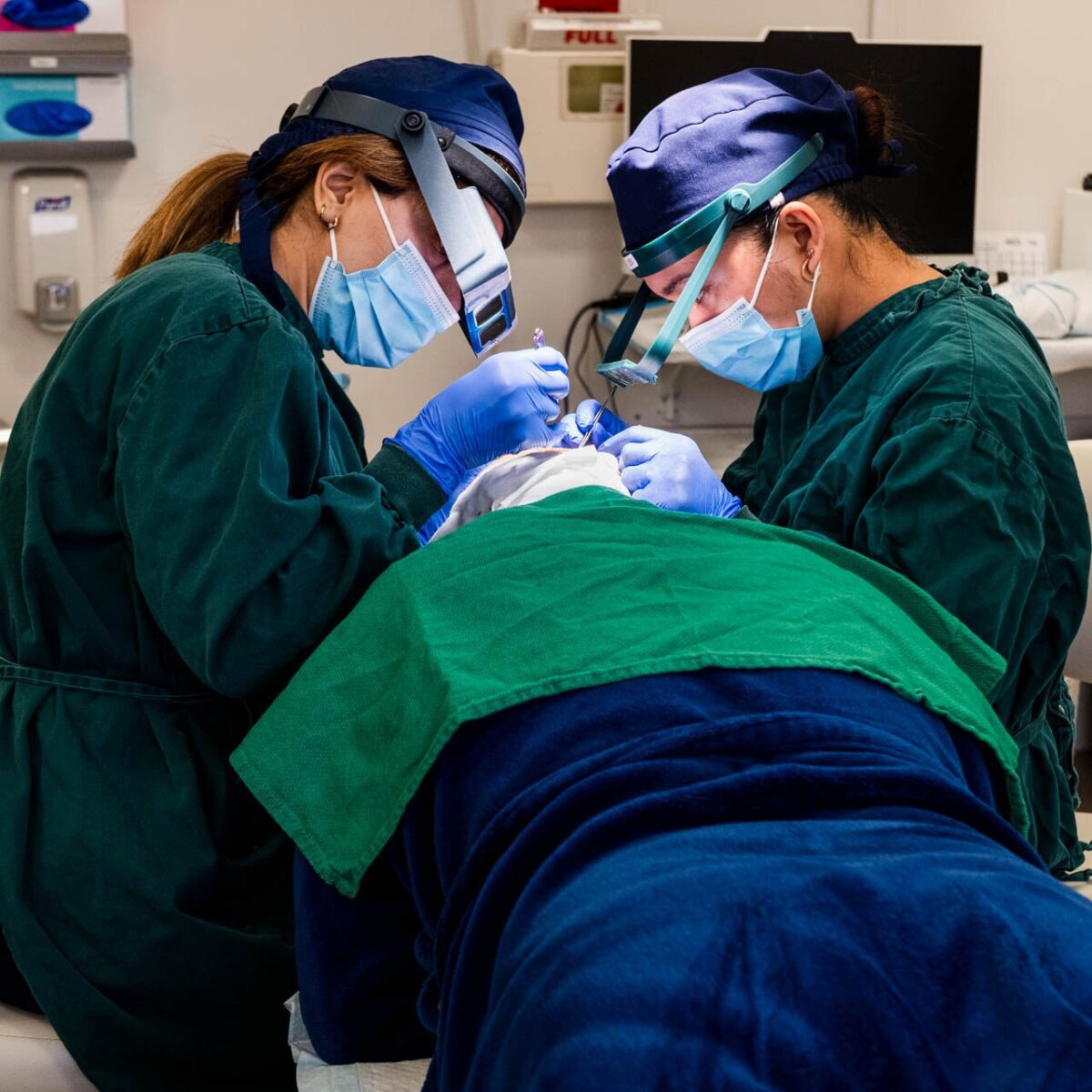
A major advantage of FUT transplants is the surgeon is able to move a very large number of grafts without the risk of overharvesting the donor area. FUT allows the transplant to remain discreet by not shaving the donor area down.
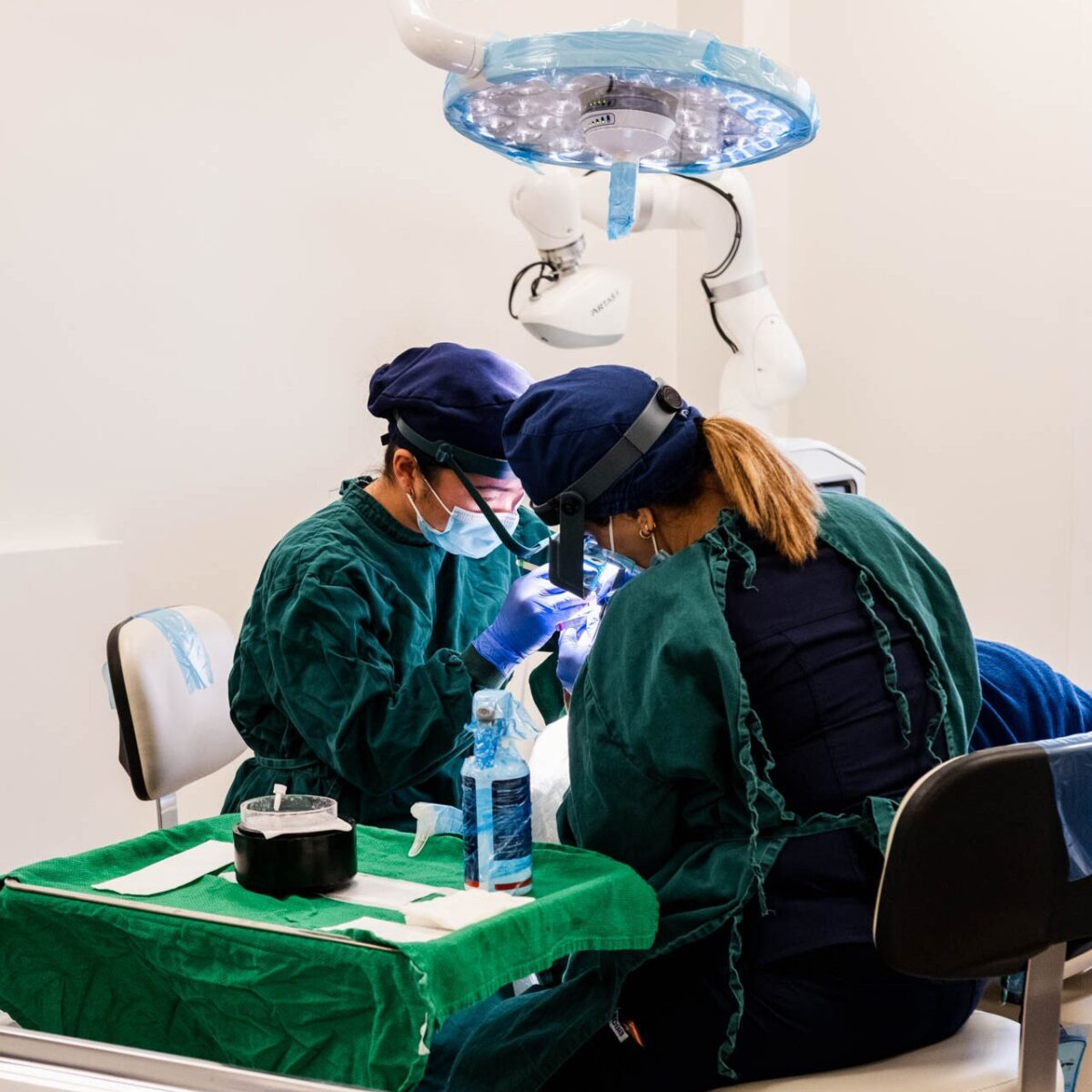
FUE Hair Transplants leave no linear scar for a faster recovery time and so you can afford a more closely shaved hairstyle. FUE allows for harvesting hair from non-scalp regions such as the beard and body.
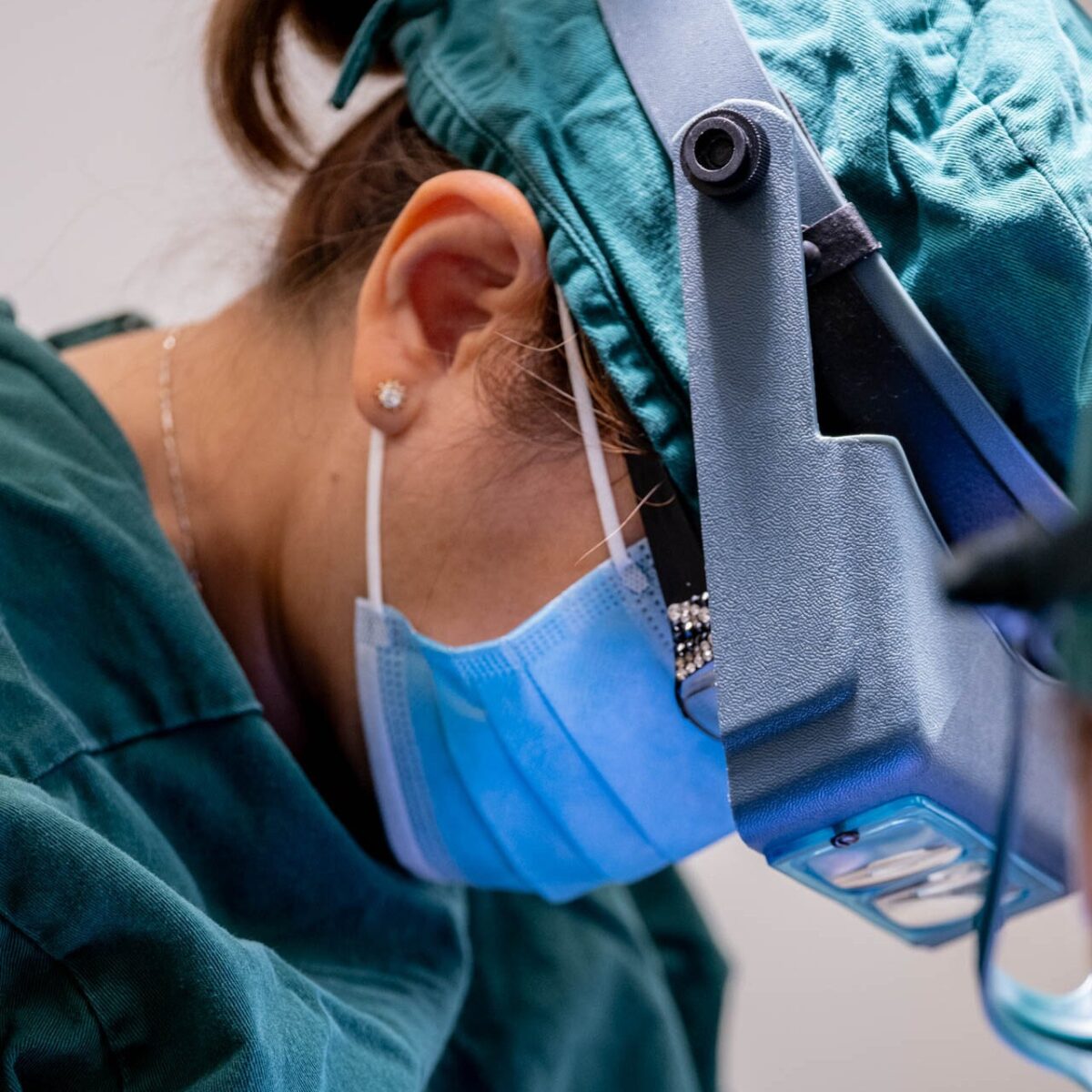
Both FUT and FUE aim not only to restore hair but also to restore confidence. If you are unhappy with your hairline, a consultation with Dr. Gerbrands will provide clarity on both surgical and non-surgical options.
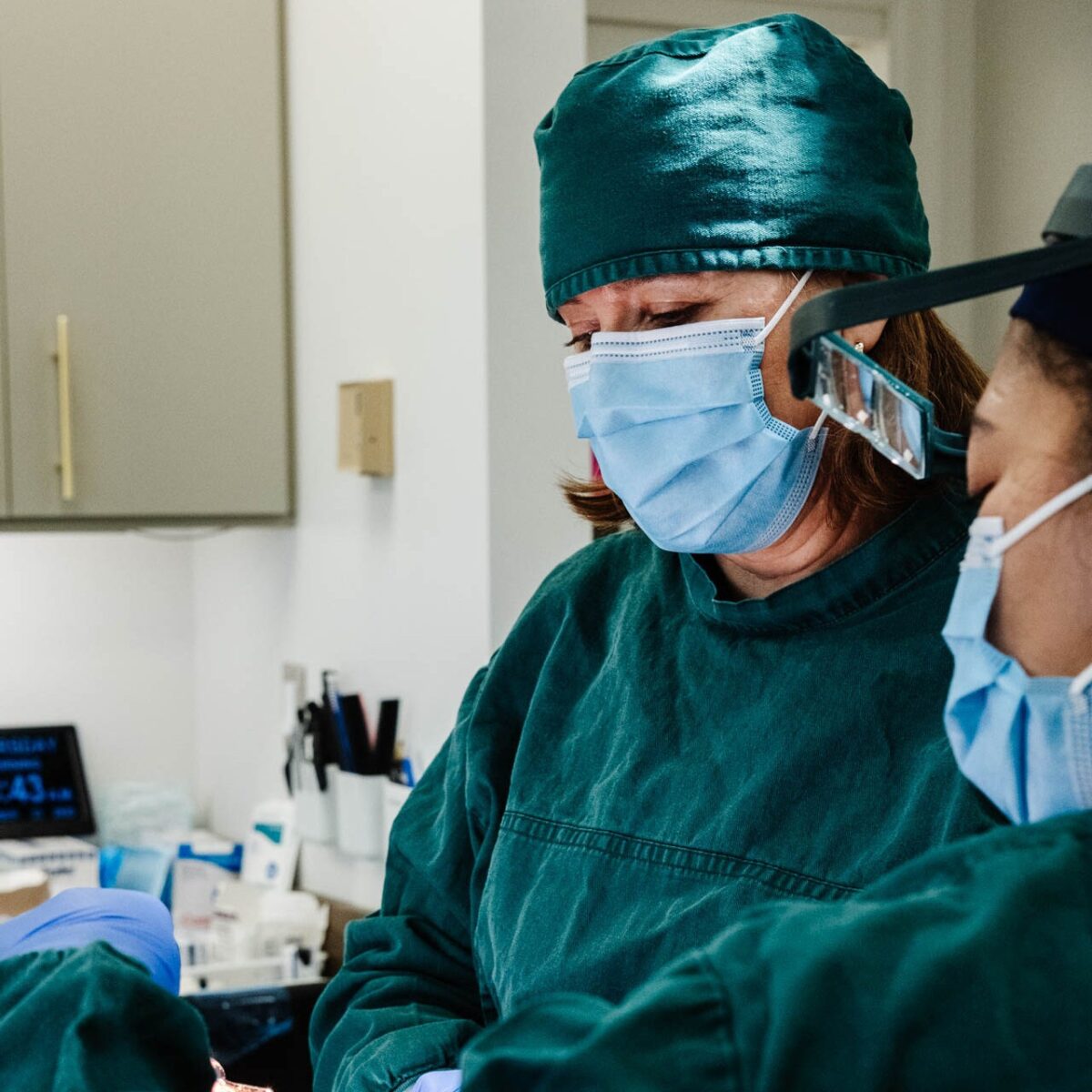
Precision Transplants for African Hair. Specialized solutions for the unique texture, beauty and strength of African Hair.
If you’ve been told “there are no options”, talk to us. De Haar Hair Restoration has the experience and artistry that this procedure requires.
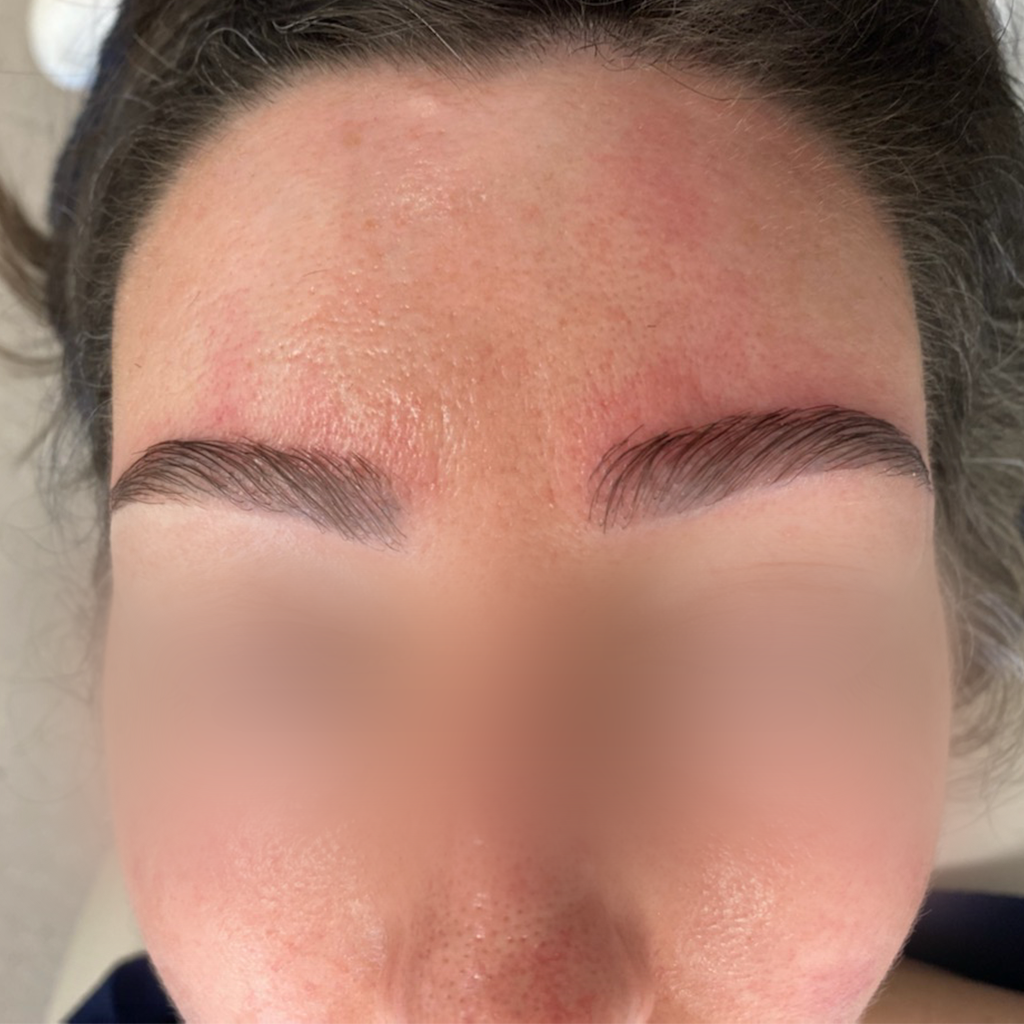
Restore eyebrows that are thinned out, damaged or lost due to overplucking, scars or medical procedures. This procedure allows you to customize the shape and density of your eyebrows with enhancement of your facial features.
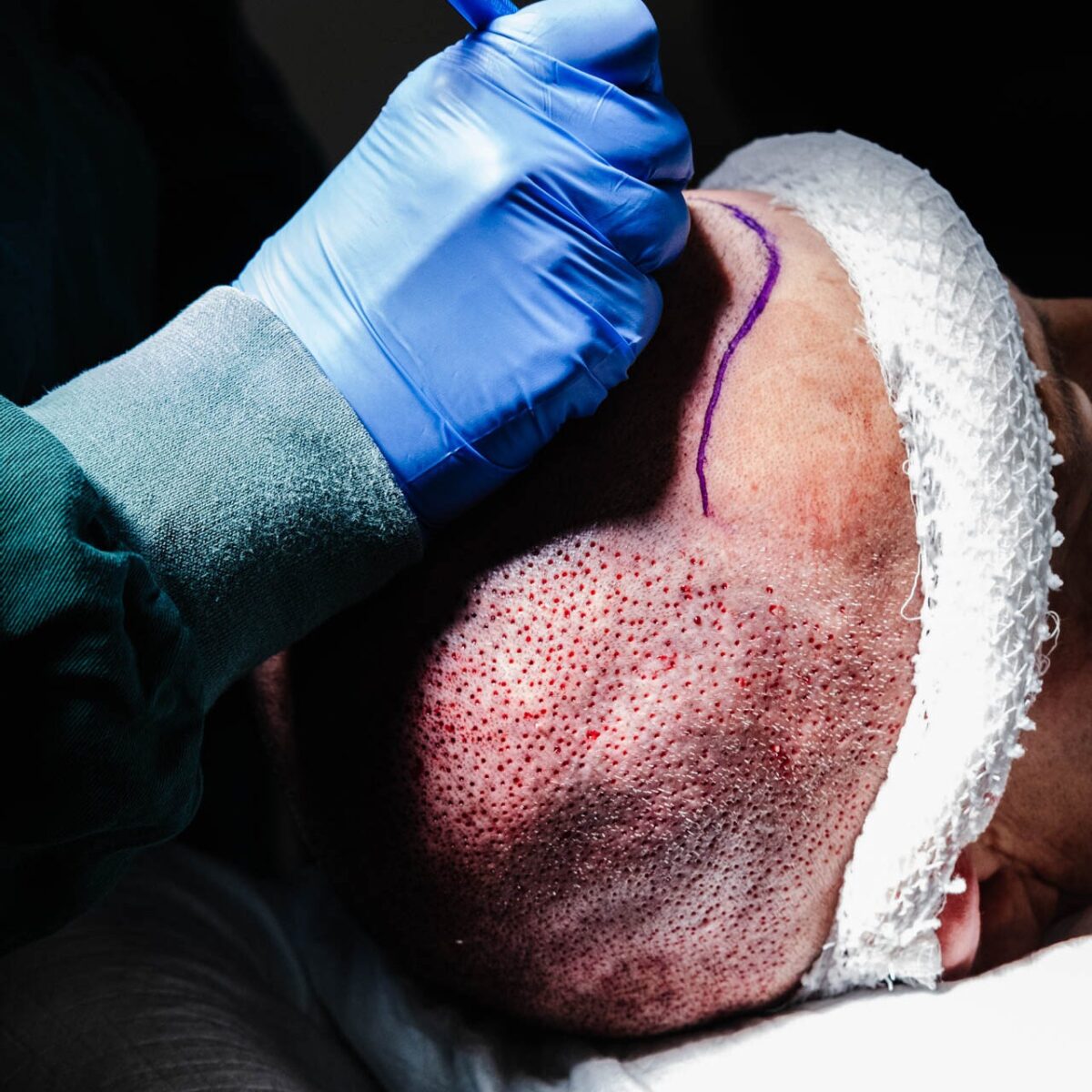
One of the benefits of lowering the hairline is a more youthful appearance in both men and women. Hairline lowering reduces the appearance of a large forehead while restoring density and correcting recession at the corners.

Fill and repair areas where there is no hair due to your genetics, scarring or previous medical procedures. A beard or mustache transplant can create a fuller, more masculine look.
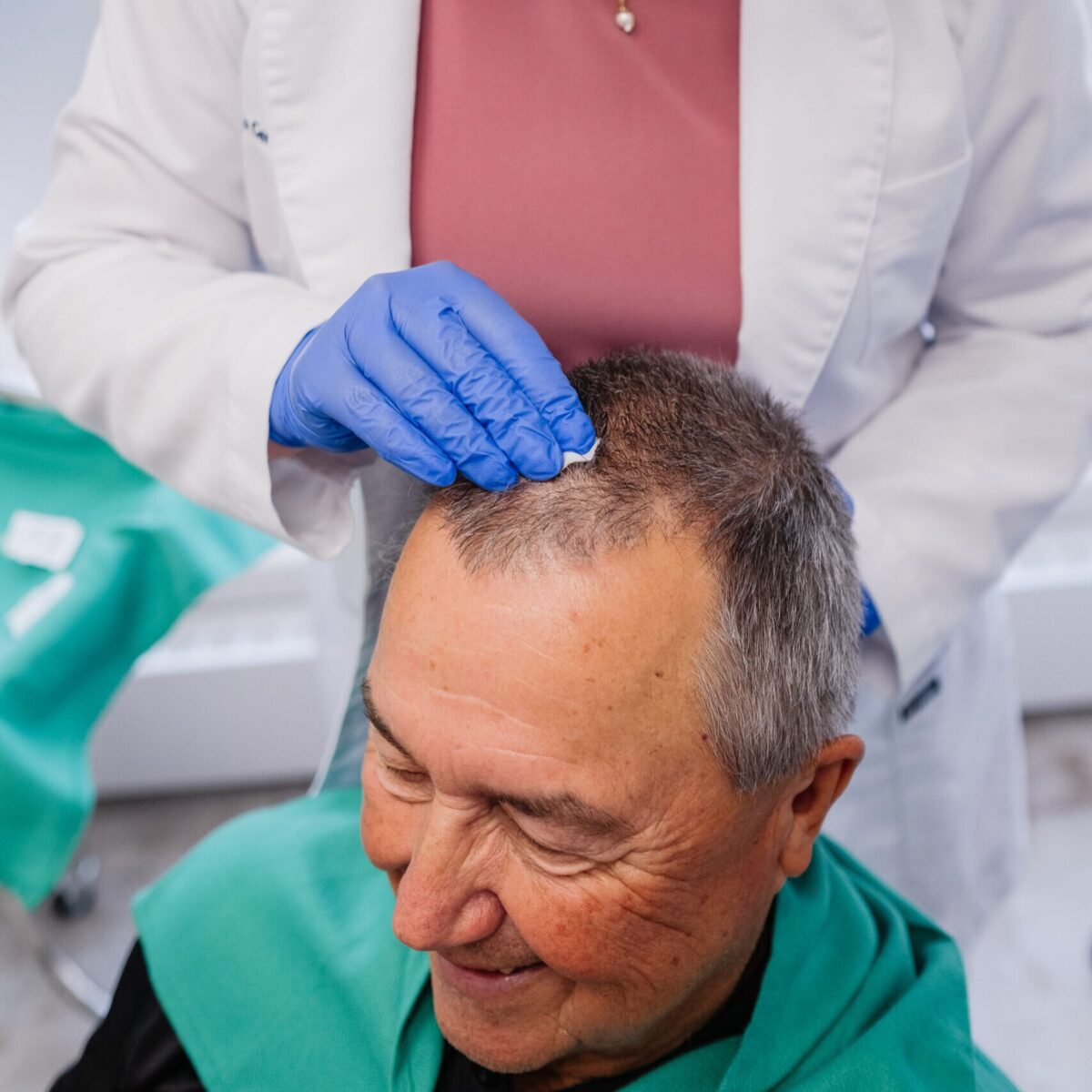
May include pharmaceutical prescriptions, low level light therapy, microneedling treatments with regenerative biological products, and in-office medical treatments and injections.
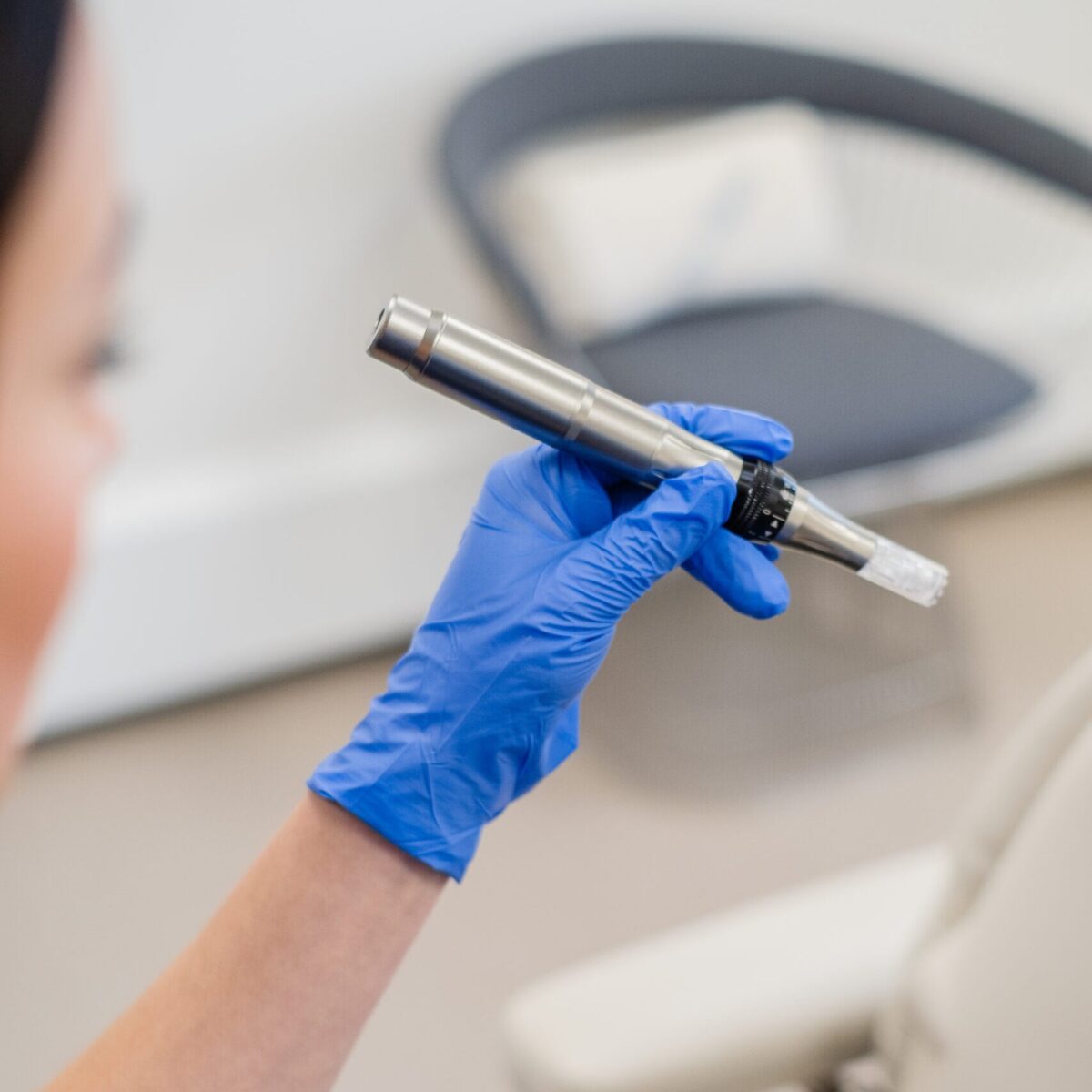
SMP is a medical grade tattoo that utilizes specialized pigments placed between the hairs for a fuller look. It can also be placed on its own, where no hair exists for a bold yet natural look.
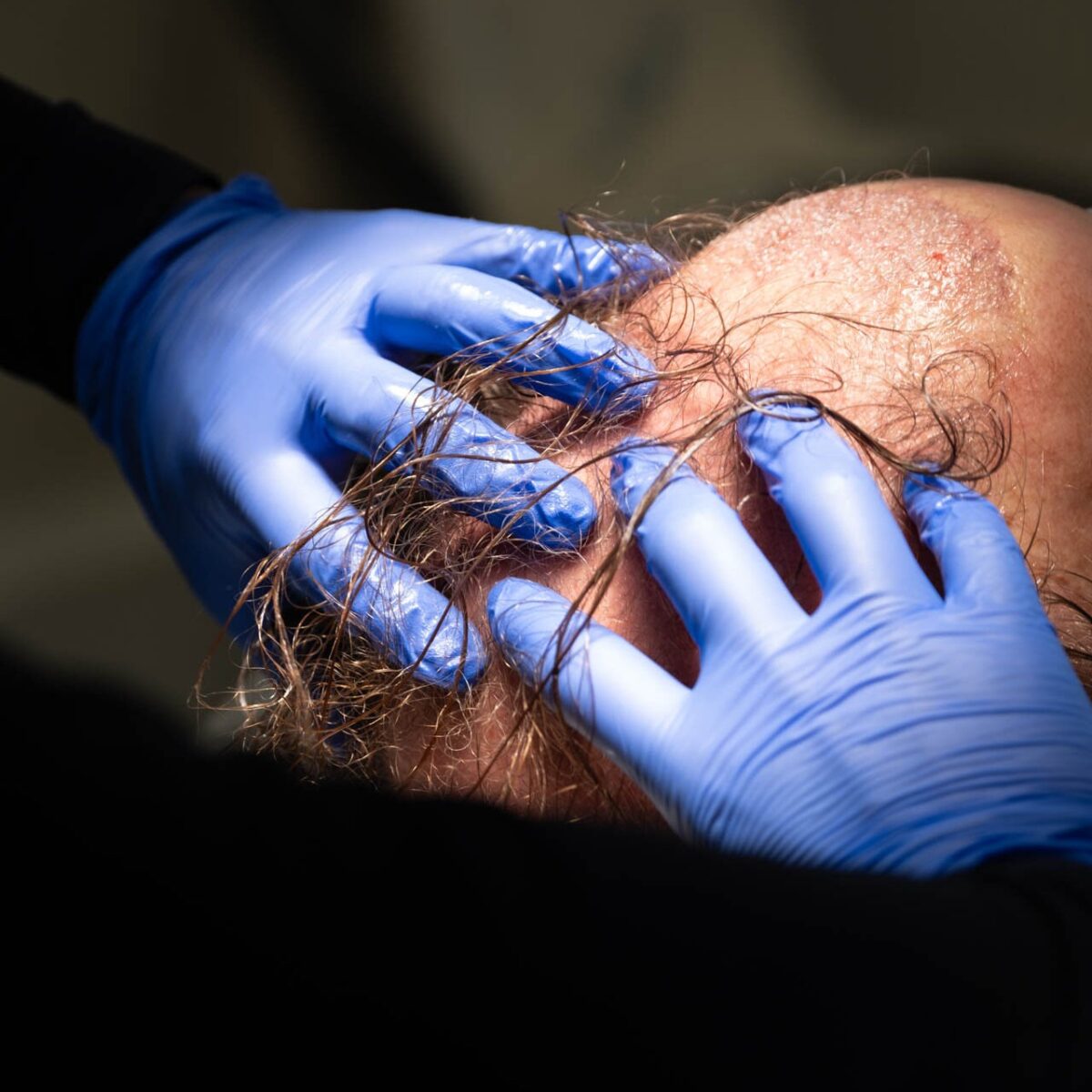
Revitalize thinning or weak hair by harnessing your body’s own natural regenerative power. This non- surgical treatment utilizes a high concentration of growth factors to stimulate dormant follicles, effectively reversing hair miniaturization and fostering a healthier, more robust scalp environment.
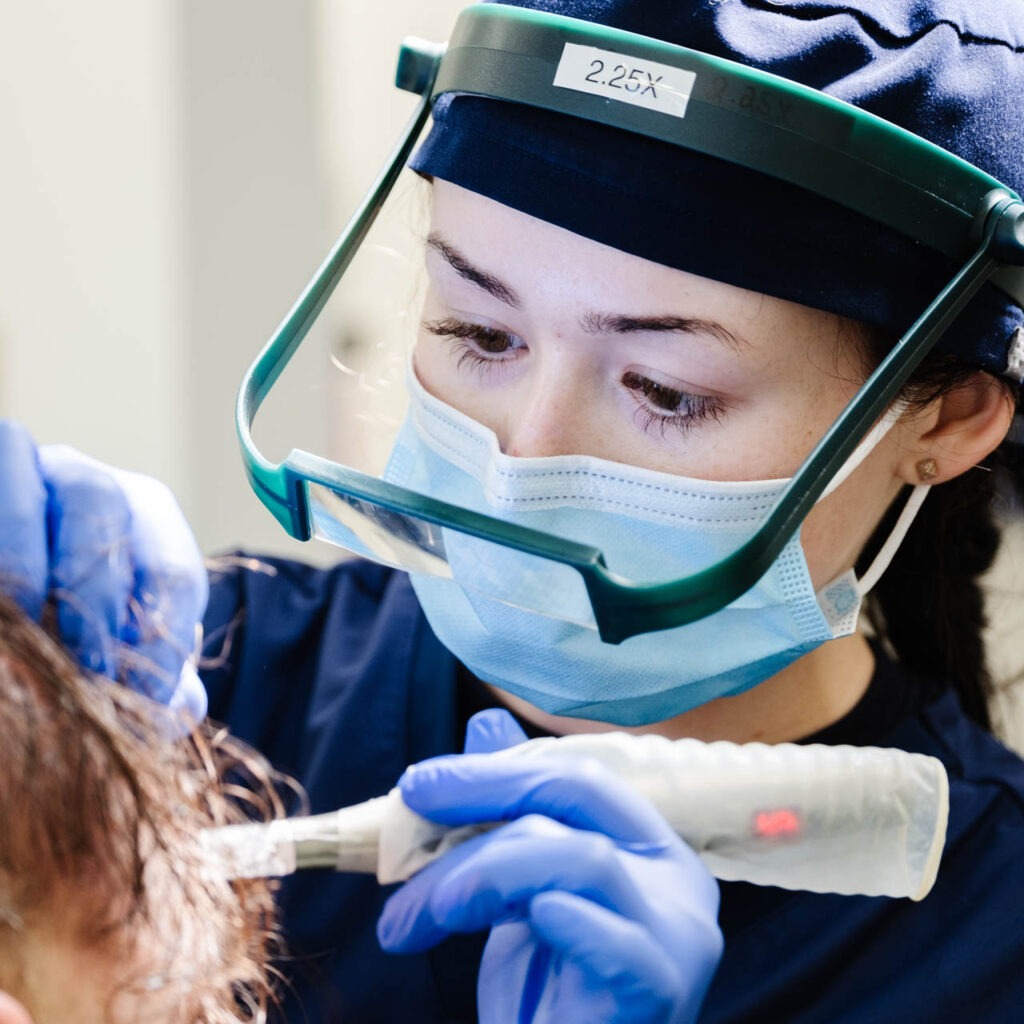
Restore your hair and body at the cellular level. NAD+ (Nicotinamide Adenine Dinucleotide) is a vital coenzyme essential for energy production and cellular repair. By replenishing your body’s naturally declining NAD+ levels, this therapy re-energizes dormant hair follicles, combats oxidative stress, and fosters a healthy environment for sustained hair growth and vitality.

Androgenetic Alopecia, Tellogen Effluvium, Alopecia Areata, Fibrosing or Scarring Alopecias, and Hair Shaft Disorders are diagnosed and treated.
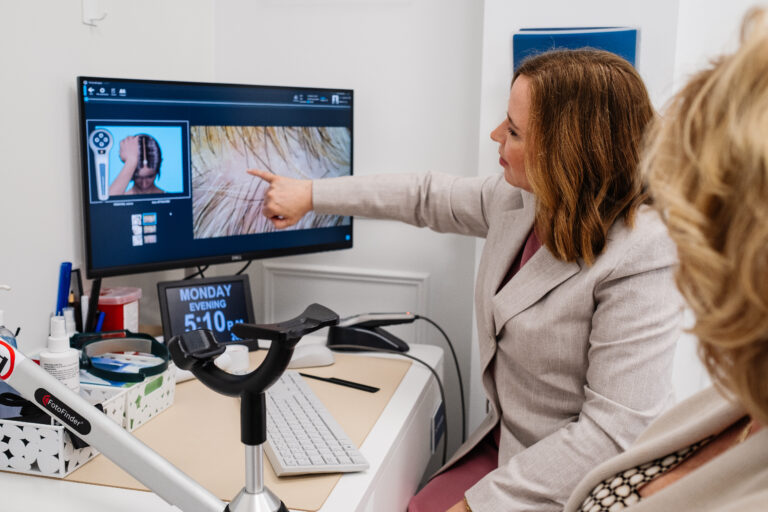
We believe that effective hair restoration begins with a deep clinical understanding of your hair’s life cycle. Our diagnostic process looks beyond the surface to identify the root cause of thinning. Whether it is androgenetic alopecia, hormonal imbalances, nutritional deficiencies, or scalp-specific conditions. By diagnosing the issue at the cellular level, we can design a treatment protocol that prevents further loss while restoring the density you’ve already lost
Hair transplants have never been more affordable. De Haar Hair Restoration has competitive pricing at approximately $ 3.50 – $ 5 CAD per graft. Each graft typically contains anywhere from between 1 to 4 hairs per graft. For our transplants other than situations when we need to re-create a fine progressive frontal hairline, we target high volume, robust grafts to optimize your results, giving you the coverage you need and saving you money. Many clinics will tell you that location is a factor in the cost of a hair transplant. They will state that hair transplant costs are higher in western Canada but with De Haar Hair Restoration, this is completely false. At De Haar Hair Restoration our hair transplant costs are lower across the board and our quality and results are significantly better due to the fact that we take the time to assess and choose robust high volume hair grafts from your donor area for transplantation. A hair transplant typically costs between $ 3000 to $ 8000. De Haar Hair Restoration has competitive pricing making our services accessible to everyone.
For those requiring financing, options are available. If you are interested in financing options, please mention this at your consultation and we will provide you with details at that time.
Like most biological processes our hair grows in cycles. Due to the fact that we have between 90 and 150,000 hairs on our head, each follicle has its own time clock, and all hair follicles go through these same phases, only at different times. There are three phases to hair growth. The anagen phase, the catagen phase and the telogen phase. Some scientists classify hair growth in four stages, referring to the final stage as the exogen stage, but most believe that the exogen stage is the end or winding down of the telogen stage.
The Anagen phase: Individual hairs are in the anagen phase when they are actively growing. This stage can last anywhere from two to eight years. Approximately 80 to 90% of your hair is in this growing phase at any given time.
The Catagen phase; eventually, the anagen phase slows down and ends, triggering the catagen phase. This phase generally lasts from 2 to 3 weeks. This is where the hair follicles shrink a bit, and the blood supply becomes more restricted to the follicle, resulting in the separation of the hair from the base of the follicle. The separated hair does not leave the follicle at this stage but sits there.
Once a hair has separated from the base of the follicle, the hair follicle goes into a resting phase until a new hair starts to form in the follicle. This is the very beginning of the telogen phase.
The Telogen phase. This phase is when a new hair starts to form in the hair follicle, and in the later part of the telogen phase, the hair that was separated in the catagen phase and was sitting there will now shed from the scalp. Losing 50 to 100 hairs per day is not unusual. The telogen phase lasts approximately 90 days.
Determining a good candidate for a hair transplant firstly involves you being in good general health. Dr. Gerbrands will take an in-depth medical history review of your overall health.
A good candidate must have sufficient donor hair density. The donor hair for any hair transplant is taken from the back and sides of the scalp. This is the area where you have permanent hair. If you do not have enough donor hair, you would not be a candidate for a hair transplant. Unscrupulous doctors have performed hair transplants and gone over the threshold of what is an acceptable amount of donor hair to remove, creating permanent damage that is often irreparable. This is known as overharvesting. The donor hair and, in particular, the donor area need to be managed equally to the recipient area, which is the area receiving the hair graft.
A good candidate should also be of an appropriate age and in an appropriate stage of hair loss. Good candidates are those who have experienced androgenic alopecia for two or more years. Males who are in stage 2 on the Norwood scale or higher are generally good candidates.
The condition of the scalp and characteristics of the hair are considered in determining if you would be a good candidate for a hair transplant. Certain physical characteristics, such as scalp flexibility and hair type, will impact the outcome of the hair transplant.
Your post-transplant care begins immediately, starting with your first professional hair wash at the De Haar clinic the day after your procedure. During this visit, Dr. Gerbrands and her team will provide you with comprehensive, customized instructions on how to properly wash and care for your scalp and hair at home. Following these specific guidelines is critical to ensuring a smooth healing process and minimizing any risk of infection.
The downtime you experience will depend heavily on the type of procedure you choose. FUE (Follicular Unit Extraction) is minimally invasive, allowing most patients to return to their normal daily activities in just 2 to 3 days, with tiny scabs in the donor area naturally falling off within 5 to 7 days. If you undergo an FUT (Follicular Unit Transplantation) strip procedure, you should expect a slightly longer recovery window of about 7 to 10 days.
As you recover, it is completely normal for the transplanted hairs to shed before the permanent growth begins. When new hair starts to emerge, typically around the third or fourth month, your scalp may become itchy. While this itchiness is a great sign that your new hair is actively growing, it is extremely important that you do not scratch your head, as this can damage the newly transplanted follicles.
 Optimized by Seraphinite Accelerator