Tuesday - Saturday 9:00 AM-5:00 PM(306) 522-2210hello@dehaarhair.ca2550 12 Ave #110, Regina, SK S4P 3X1
Is-a-hair-transplant-permanent-image-1200x800.png

The short answer is yes. If a hair transplant is performed using hair follicles from  inside the donor area where the hairs are genetically programmed to be permanent and are resistant to the damaging effects of DHT. Let me address the truths and the misconceptions so you have a clear picture regarding hair transplants..

How Hair Transplants Actually Work

A hair transplant works by relocating healthy, genetically resistant hair follicles from the donor area into areas experiencing thinning or balding. Once transplanted, these follicles retain their original genetic programming. In other words: Hair taken from the permanent zone continues behaving like permanent hair even after it has been moved. This concept is known as donor dominance, and it has been scientifically understood for decades. The transplanted follicles continue growing naturally in their new location because they maintain the same resistance to DHT they had before transplantation. That is why modern hair transplantation is considered a permanent solution. Transplanted hair can be washed, cut, styled, dyed, and treated exactly like natural hair because it is natural hair.

Is a Hair Transplant Permanent?

The transplanted follicles themselves are generally considered permanent. Once the follicles successfully heal and establish blood supply in their new location, they typically continue producing hair for decades. However, the word “permanent” is often misunderstood. A hair transplant does not stop the natural aging process. It does not freeze your scalp in time. The non-transplanted native hair surrounding the transplanted grafts may continue to thin over the years if genetic hair loss progresses. This is one of the most important misconceptions patients need to understand. The transplanted hairs remain resistant to DHT but your existing vulnerable hair may still continue to miniaturize if untreated. This is why proper long-term planning is critical. A high-quality hair restoration strategy considers not only what your hair looks like today, but also how it may evolve over the next 10, 20, or even 30 years.

The Biggest Misconceptions About Hair Transplant Permanence

Misconception #1: “Hair transplants fall out after a few years.”

This is one of the most common myths online. Transplanted hairs do undergo a temporary shedding phase shortly after surgery. This is completely normal and expected. The follicles themselves remain alive beneath the skin while the visible hairs shed. New growth typically begins several months later. Once the transplanted follicles mature, the hair generally continues growing permanently. What people sometimes mistake for “failed” transplants years later is actually ongoing loss of surrounding native hair and not loss of the transplanted grafts themselves.

Misconception #2: “A hair transplant will stop all future hair loss.”

A transplant redistributes existing permanent hair; it does not cure genetic hair loss entirely. Patients may still require supportive treatments such as:

  • Medical therapy
  • PRP (Platelet-Rich Plasma)
  • Exosome therapy
  • Low-level laser therapy
  • Follicle support serums
  • Hormonal management
  • Nutritional optimization

These treatments help preserve existing native hair and maintain overall density.

At DE HAAR Hair Restoration, hair restoration is viewed as a long-term strategy rather than a single event.

Misconception #3: “Hair transplants look fake.”

This misconception largely comes from outdated procedures performed decades ago using large grafts or poor artistry. Modern FUE (Follicular Unit Extraction) techniques allow surgeons to place individual follicular units with extraordinary precision and natural directionality. When performed properly, modern hair transplantation can be virtually undetectable.

The artistry lies in:

  • Hairline design
  • Density placement
  • Angulation
  • Graft distribution
  • Facial harmony
  • Ethnic and gender considerations

A successful transplant should never look “transplanted.” It should simply look like you.

Misconception #4: “You can use someone else’s hair.”

Hair transplantation is not like organ transplantation. Using another person’s hair would trigger immune rejection unless lifelong immunosuppressive medication was used, which is neither practical nor safe for cosmetic procedures. Your own donor hair is required. This is why donor assessment is one of the most important aspects of surgical planning.

Misconception #5: “Hair transplants work instantly.”

Hair restoration requires patience. Most patients begin noticing early growth around 3–4 months after surgery, with significant cosmetic improvement often occurring between 6–12 months. Final results may be seen at 12 months and can continue for up to 18 months, especially in crown procedures. Hair restoration is a biological process and not an overnight cosmetic change.

Why Modern Hair Transplants Are More Successful Than Ever

Hair transplantation has evolved dramatically over the past two decades.

Today’s advanced procedures focus on:

  • Microscopic precision
  • Minimal scarring
  • Natural density
  • Preservation of donor integrity
  • Individualized artistry
  • Long-term planning

At the De Haar Clinic, your procedure is not a  simple technical surgery, it is a combination of medicine, aesthetics, anatomy, precision, artistry and design. Modern advancements include:

  • Refined FUE extraction
  • Advanced graft preservation solutions
  • Improved anesthesia techniques
  • Enhanced healing protocols
  • Regenerative support therapies
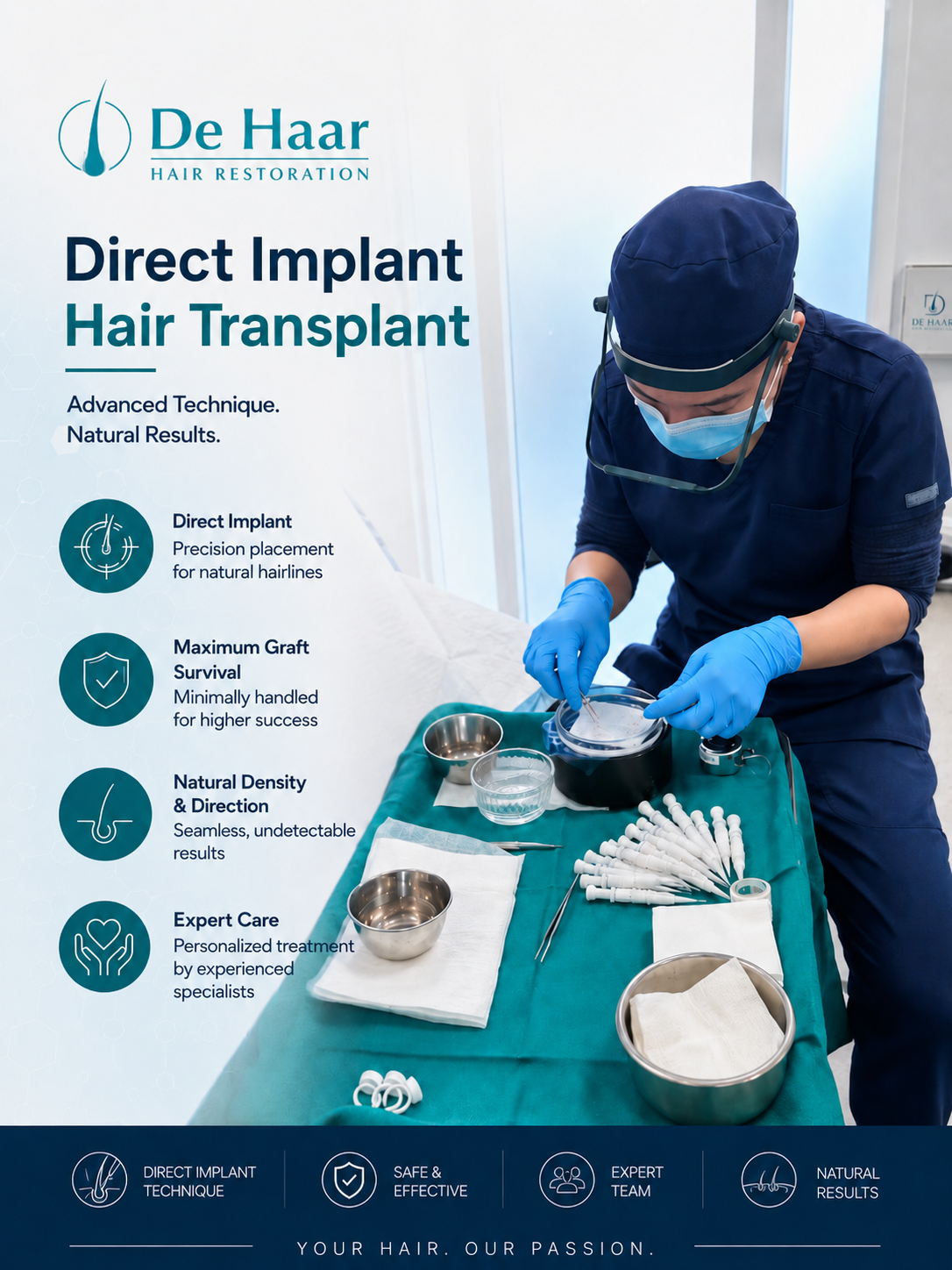
  • Precision implantation methods

The result is softer, more refined, more natural-looking restoration than ever before.

Who Is a Good Candidate for a Permanent Hair Transplant?

Not everyone experiencing hair loss is automatically a candidate. The best candidates typically have:

  • Stable donor hair
  • Realistic expectations
  • Sufficient donor density
  • Pattern hair loss
  • Healthy scalp condition
  • Long-term planning goals

Age alone does not determine candidacy. Some younger patients may benefit from delaying surgery while stabilizing ongoing loss medically. Others may be excellent candidates earlier depending on their pattern and progression.

A proper consultation should always include:

  • Hair loss evaluation and diagnosis
  • Trichoscopy
  • Donor analysis
  • Medical history
  • Family history
  • Long-term forecasting
  • Surgical planning
  • Discussion of supportive therapies

At DE HAAR Hair Restoration, the goal is not merely to “add hair,” but to create balanced, sustainable, age-appropriate restoration that continues looking natural over time.

The Emotional Impact of Permanent Hair Restoration

For many patients, the most powerful results are not only cosmetic. Hair restoration often affects:

  • Confidence
  • Professional presence
  • Social comfort
  • Dating confidence
  • Gender affirmation
  • Self-image
  • Emotional well-being

Patients frequently describe feeling like they “recognize themselves again’.

Maintaining Results After a Hair Transplant

Even permanent transplanted hair benefits from proper scalp and follicle care. Long-term maintenance may include:

  • Medical therapy
  • Nutritional support
  • Scalp health optimization
  • PRP or regenerative treatments
  • Anti-inflammatory support
  • Stress management
  • Routine monitoring

Healthy hair grows best in a healthy scalp environment. Hair restoration should always be approached holistically.

The Future of Hair Restoration

The field of hair restoration continues to evolve rapidly. Emerging technologies include:

  • Regenerative medicine
  • Stem-cell research
  • Exosome therapy
  • Peptide science
  • Advanced follicular preservation
  • AI-assisted planning
  • Hair cloning research

While transplantation remains the gold standard for permanent restoration today, the future promises even more refined and biologically sophisticated approaches. Still, the core principle remains unchanged: Healthy permanent follicles can continue producing hair for decades when carefully transplanted and properly managed.

Final Thoughts

Does a hair transplant work? Yes, it does!

When performed by an experienced professional,  a hair transplantation can create remarkably natural, long-lasting, permanent results. The transplanted follicles maintain the genetic resistance they carried from the donor area, allowing them to continue growing in their new location for many years to come. Understanding the difference between transplanted hair and ongoing native hair loss is essential to setting realistic expectations and achieving exceptional long-term outcomes. A good surgeon will always address the issue of native hair surrounding the transplanted hair and come up with a long term plan to help you keep the native hairs too.

At DE HAAR Hair Restoration, we believe the most beautiful results are not only permanent, they are timeless, natural, refined, and deeply personal.

Modern-hair-restoration-1200x799.png

Navigating the modern science of hair restoration begins with understanding why hair loss happens, exploring the treatment options available, and choosing a personalized approach that aligns with your goals, lifestyle, and long-term expectations. What was once considered an inevitable part of aging has evolved into a sophisticated field of medical science, offering solutions that can preserve, restore, and even permanently rebuild thinning hair with remarkably natural results.

For millions of people worldwide, a morning ritual in front of the mirror eventually reveals an unwelcome truth: the hairline is retreating or the crown is thinning. This phenomenon, medically known as androgenetic alopecia, is far more than a simple aesthetic shift. Because hair is inextricably tied to our identity, self-image, and perceived youth, its loss can trigger profound psychological consequences ranging from diminished self-esteem to social anxiety. Fortunately, the landscape of hair restoration has evolved into a sophisticated field of medical science, offering a spectrum of solutions that can slow, stop, or even reverse the clock on thinning hair. Understanding your options begins with understanding the cause. For the vast majority, hair loss is a result of genetics and hormonal changes, specifically the sensitivity of the hair follicles to dihydrotestosterone, DHT. Overtime, DHT causes susceptible follicles to shrink in a process called miniaturization, until they eventually stop producing hair altogether. While aging and stress play supportive roles, the foundation of treatment often centers on blocking this hormonal trigger or stimulating the dormant follicle back into its growth phase.

For those in early stages of thinning, non-surgical approaches are often the most practical starting point. These treatments focus on preservation rather than replacement. Minoxidil, both topical and oral, are Widely available over the counter. Minoxidil acts as a vasodilator.  By improving blood flow to the scalp, it delivers more oxygen and nutrients to the follicles, effectively prolonging the antigen or growth phase of the hair. Finasteride is a DHT blocker which is available by prescription. An asteroid targets the root cause of male pattern baldness by inhibiting the enzyme that converts testosterone into ADHD. Clinical data consistently shows that finasteride is generally more effective than minoxidil at stabilizing hair loss and promoting regrowth. Many hair loss specialists now recommend using both medication simultaneously. While finasteride protects the follicles from further damage, minoxidil works to optimize the growth environment, creating a synergistic effect that outperforms either treatment alone. However, these medical miracles come with a caveat. They require a lifelong commitment. Because they do not change their underlying genetics, hair loss typically resumes within months of stopping treatment.

In recent years, the field has expanded beyond daily pills and foams into the realm of biologic therapies. These options appeal to those seeking a more holistic or minimally invasive approach. Platelet rich plasma PRP therapy is a procedure that involves drawing a patient’s own blood, concentrating the growth factor rich platelets and injecting them back into the scalp. It acts regeneratively by jumpstarting the dormant follicles and improving hair density. Exosome therapy is a step beyond PRP. Exosome therapy uses nanoscale messengers derived from stem cells to signal follicular repair. The exosomes are delivered with the use of microneedling and topical anesthetics, making this procedure virtually painless and requiring no downtime. This fast became a trending choice in 2025. Low level laser therapy (LLLT) uses specific wavelengths of light. LLLT devices stimulate cellular activity within the follicles which can be an effective drug free way to maintain hair health even from the comfort of your home.

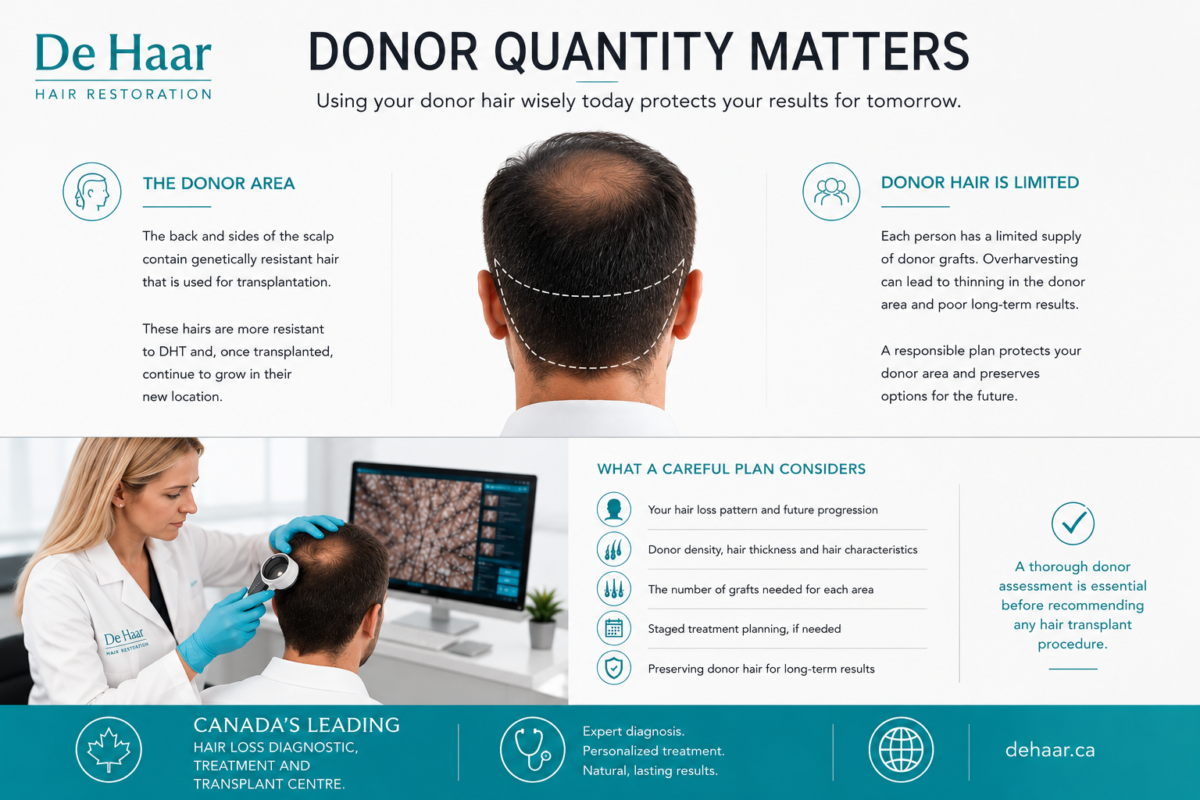
Surgical restoration is the permanent solution. When hair follicles have become completely non-viable, medications can no longer resurrect them. This is where surgical intervention, hair transplantation becomes the gold standard for permanent restoration. Modern techniques have moved far beyond the plugs of the past, allowing for hyper realistic results. Currently, the most popular surgical method, FUE, involves extracting individual hair follicles one by one from a donor area, usually at the lower  back and sides of the head, and implanting them into the balding regions. The benefits of FUE are minimal scarring( tiny white dots)  and fast recovery (3-5 days) with the ability to wear your hair very short. Follicular unit transplantation, or FUT, commonly known as strip harvesting, involves removing a thin strip of scalp containing the hair graphs. This allows for harvesting a large number of grafts at once. FUT is typically more cost effective per graft and ideal for patients needing extensive coverage in a single session. This procedure leaves a thin linear scar that may be visible if the hair is cut very short. It can be camouflaged with a short procedure known as SMP which is a medical grade tattoo that simulates the look of hair. This will allow you to wear a shaved look.

Choosing between these options isn’t always an either/or decision. In fact, the most successful long term outcomes often come from a hybrid approach. A patient may undergo an FUE or FUT transplant to restore the hair in an area while continuing finasteride to protect the surrounding natural hair from thinning further. While the upfront costs of surgery are higher, it is more cost effective in the long run than the accumulative expense of daily medications. More importantly, the permanence of a hair transplant provides a level of freedom and confidence that daily treatments cannot match. Modern methods in transplantation have allowed transplantation to become more affordable and more widely available to the general public.

Whether you opt for the consistency of non-surgical care or the definitive results of a hair transplant, the message for 2026 is clear. You no longer have to settle for hair loss with a personalized plan tailored to your lifestyle and biology. Reclaiming your crown and your confidence is more achievable than ever before.

PRP-image-1200x799.png

One of the most widely utilized non surgical treatments for hair restoration is platelet-rich plasma (PRP) therapy . PRP therapy has gained attention for its potential to stimulate dormant hair follicles, prolong the hair growth cycle, and improve scalp health using the patient’s own blood. PRP is one of the most natural, biologically based approaches to hair restoration and remains one of the most compelling regenerative options available today. Originally used in orthopedics, dentistry and wound healing, PRP is now commonly used in hair restoration. PRP is not a cure for baldness but is an important adjunct therapy in comprehensive hair loss management when used appropriately with realistic expectations.

What is platelet-rich plasma PRP?

Platelet-rich plasma is a concentration of platelets in serum (plasma) derived from the patient’s own blood. Platelets are best known for their role in blood clotting, but they also contain hundreds of biologically active proteins and growth factors that play a critical role in tissue repair and cellular regeneration. Blood is drawn from the patient and processed in a centrifuge which separates the blood into layers isolating the plasma. This plasma has a higher than normal concentration of platelets. The resulting PRP fluid is then used on targeted areas of the scalp. Because PRP is autologous, meaning it’s derived from the patient’s own body, the risk of allergic reaction or disease transmission is extremely low.

How does PRP work for hair loss?

Hair follicles are composed of the most active cells in the body. Hair follicles go through a cycle of phases. The growth phase ( anagen), resting phase (catagen ) and shedding phase (telogen). In androgenetic alopecia, follicles are damaged and gradually miniaturize, producing thinner shorter hairs until they eventually stop producing viable hair altogether. The growth phase shortens and eventually the weakened follicles become redundant. PRP supports the hair follicle and hair growth through several biological mechanisms. PRP is packed with platelets that release growth factors. These molecules stimulate stem cells and dermal papilla in the hair follicle and play a key role in the development and cycling of the hair. PRP assists in the formation of new blood vessels, improving oxygen and nutrient delivery to hair follicles, Blood circulation is particularly important in areas affected by hair thinning. Evidence suggests that PRP can help prolong the antigen or growth phase of the hair cycle resulting in thicker, longer lasting hair strands. PRP also has anti-inflammatory properties that improve scalp health and create a more favorable environment for hair growth. It assists with chronic low-grade inflammation of the scalp which contributes to hair loss in certain individuals. PRP is most commonly used in men and women with early to moderate androgenetic alopecia; it works best when follicles are still present but weakened or damaged rather than in areas of complete baldness. PRP also helps to accelerate recovery from telogen effluvium which is stress related shedding.

Does PRP help in autoimmune related hair loss?

Autoimmune hair loss results may vary as PRP is not considered a first line therapy, but it has shown to help in some select cases. Depending on your particular circumstances, your hair loss specialist can help you decide if this will be an effective or helpful therapy for you.

Can PRP be used with a hair transplant?

PRP is frequently used before, during and after hair transplant surgery to enhance graft survival, speed healing and improve overall hair quality. It is an excellent adjunct therapy to a hair transplant to keep your hair surrounding the transplanted hair healthy and strong.

 What is the process of PRP?

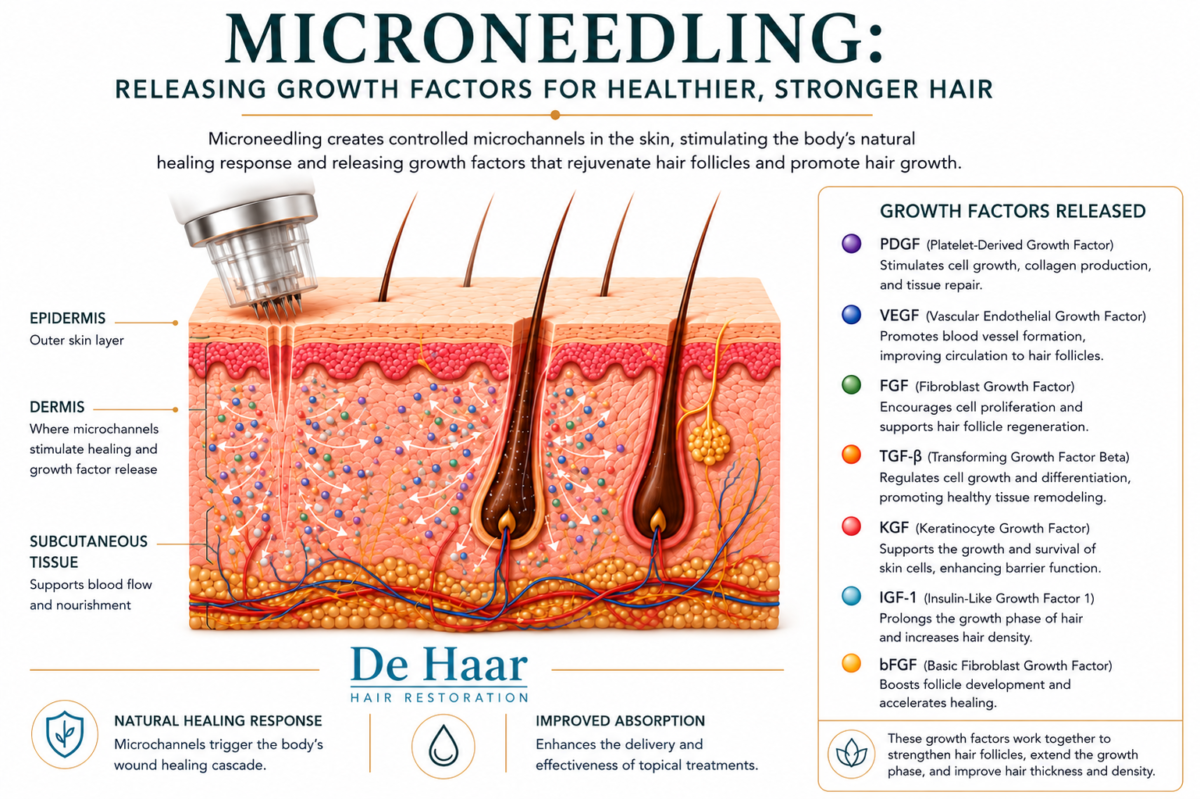
Approximately 10-20 ml of blood is drawn from the patient and then placed in a centrifuge. The centrifuge separates the red blood cells from the plasma which contains the vital nutrients, proteins and growth factors, The nutrient dense plasma is then drawn off and delivered to the hair follicles through microneedling channels placed on the scalp through the use of a specialized device. The procedure itself takes approximately 30-45 minutes. It is recommended that PRP be done in sessions, once every 4 weeks for 6 weeks then once or twice a year to maintain your results.

Can PRP be used with other therapies?

PRP is often used in combination with other therapies for the treatment of hair loss. Although effective on its own, PRP results can be boosted. It is commonly used with microneedling alongside topical medications such as minoxidil, topical finasteride and serums containing exosomes. Treatment with Glutathione as a booster can also be done with PRP and has shown excellent results.

When will I see results?

 Within 2 to 3 months, you will experience greatly reduced shedding and by 3 to 6 months, improved thickness and texture are noticeable. Between 6 and 12 months you will see a visible improvement in density, quality and quantity of the hair with a noticeable increase in strength and diameter of the hair shaft. It is important to remember that PRP does not create new hair follicles, its effectiveness lies in its ability to regenerate damaged and weakened follicles and those that are dormant but still alive. PRP is a supportive or adjunctive therapy and not a standalone cure for hair loss. PRP is not effective if the hair follicles are not viable meaning that It is not effective in completely bald areas where there are no living follicles. It is important to note that the results need to be maintained. Popular maintenance regimes often include medications and/or occasional PRP supportive treatments in order to maintain the hair at its maximum potential.

 Can anyone have PRP treatments?

  • PRP may not be appropriate for people with platelet disorders or severe anemia
  • those with active scalp infections or inflammatory scalp disease
  • certain autoimmune conditions (assessed on a case by case basis)
  • active cancer or bloodborne malignancies
  • ongoing anti-coagulant therapy

What are the side effects of PRP?

Mild to moderate discomfort at the injection site may be possible and this usually subsides within a few hours. Swelling, redness and tenderness is possible but typically subsides in 24 to 48 hours. There’s a slight chance of bruising at the injection sites and a possibility of temporary scalp itching or sensitivity. These effects normally resolve quickly and do not require special treatment beyond gentle care, for example avoiding strenuous activity and following aftercare instructions. Less common side effects can include infection at the injection site, but it is rare when sterile technique is used. Serious long-term complications are very rare in controlled clinical settings.

 Is PRP safe?

PRP Therapy is considered very safe for hair loss when it is performed correctly by a trained medical professional. There is no risk of disease transmission, rejection or allergy to the PRP itself because PRP is autologous meaning that it uses the body’s own substances. The risk of a reaction is rare. PRP is considered a safe and effective method of reviving viable hair follicles. The procedure is minimally invasive. PRP has a long clinical history and has been used for decades in orthopedics, sports medicine, wound healing, dermatology and hair restoration.

Conclusion

Platelet-rich plasma (PRP) therapy has become an important part of modern hair restoration because it works with your body’s own natural healing mechanisms to support healthier, stronger hair. While it is not a cure for hair loss, PRP can help slow progression, reduce shedding, improve hair quality, and strengthen weakened follicles when they are still viable. The best results are achieved when treatment begins early and is tailored to the underlying cause of the hair loss.

At De Haar Hair Restoration, we believe that successful treatment begins with an accurate diagnosis. Not every patient is an ideal candidate for PRP, and not every type of hair loss responds in the same way. Our comprehensive hair loss assessments allow us to determine whether PRP is the right option for you or whether another treatment, or combination of treatments, will provide better long-term results.

If you’ve noticed increased shedding, thinning hair, or changes in hair density, don’t wait until significant hair loss has occurred. Early intervention offers the greatest opportunity to preserve existing hair and maximize treatment success. Contact De Haar Hair Restoration to schedule a comprehensive consultation and discover the treatment plan that’s right for you.


FUT-VS-FUE-Image-1200x799.png

Which Hair Transplant Technique Is Right for You?

Follicular Unit Extraction (FUE) and Follicular Unit Transplantation (FUT). Both are proven, highly effective methods for restoring hair but differ significantly in how they’re performed, the recovery time  and who are the best candidates. Understanding the difference is an important step in making the right decision for your hair, your lifestyle, and your long-term goals.

What Is FUE (Follicular Unit Extraction)?

FUE is a minimally invasive technique in which individual hair follicles are extracted one by one from the donor area typically the back and sides of the scalp using a small, circular punch tool. These follicles are then carefully transplanted into the thinning or balding areas. Because no strip of scalp is removed, FUE leaves no linear scar. Instead, tiny circular light marks are left in the donor area, which are virtually undetectable once healed even with a shaved head.

FUE is often the preferred choice for patients who:

  • Want to wear their hair very short or even a shaved look
  • Are concerned about having a linear scar on the scalp
  • Have a more active lifestyle or physically demanding job
  • Require a smaller number of grafts
  • Are having their first hair transplant procedure

What Is FUT (Follicular Unit Transplantation)?

FUT, sometimes referred to as the “strip method,” involves removing a narrow strip of scalp from the donor area. A team of technicians will dissect this strip under stereoscopic microscopes to extract the individual follicular units, which are then transplanted into the recipient area.

Because a strip of skin is removed, FUT does leave a linear scar along the back of the scalp. However, this scar is easily concealed by surrounding hair at most lengths.

FUT is often the preferred choice for patients who:

  • Require a large number of grafts in a single session
  • Wear their hair at a medium to longer length
  • Want to maximize donor hair yield over multiple procedures
  • Are focused primarily on achieving maximum density

Which Technique Produces Better Results?

When performed by a skilled, experienced surgeon, both FUE and FUT produce completely natural, long-lasting results. The technique itself is only one piece of the equation. The artistry of the hairline design, graft placement and angle, density and distribution are equally, if not more, important.

The “better” technique is the one that aligns with your individual anatomy, hair loss pattern, and personal goals.

The Role of Your Consultation

The best way to determine which technique is right for you is through a thorough consultation. During this assessment, we will evaluate:

  • The extent and pattern of your hair loss
  • The density and quality of your donor hair
  • Your scalp laxity (relevant for FUT candidacy)
  • Your lifestyle and hair styling preferences
  • Your short and long-term restoration goals

There is no universal answer because what works best for one patient may not be optimal for another. A personalized assessment is the only way to know for certain.

The Bottom Line

Both FUE and FUT are highly effective, clinically validated hair restoration techniques. FUE offers flexibility and minimal scarring, making it ideal for patients who want a discreet recovery and short hairstyles. FUT offers a higher graft yield per session, making it well-suited for patients with more advanced hair loss who need maximum coverage.

The right choice comes down to your individual needs and goals.

Ready to find out which technique is right for you? Book a consultation with our team today.


Common-Hair-Loss-Medications-1200x800.png

Modes of Action

Minoxidil and Finasteride are two of the most common medications used to treat hair loss. Finasteride is an FDA approved medication for treating male pattern baldness. Finasteride is most often prescribed for males who have androgenic alopecia. Many men have been effectively treated for decades using finasteride to maintain their hair at optimum condition and density without issues. Finasteride is not prescribed for women of childbearing age or those who are pregnant or those who plan to become pregnant because it is a teratogen, meaning it can cause birth defects. In certain cases, it is prescribed off label for post menopausal women, but this is always under strict medical supervision. Women should never take finasteride under any circumstances other than as prescribed by your physician or fully qualified hair loss specialist. Topical minoxidil (Rogaine) is FDA approved for use in both men and women with hair loss.

Finasteride works by blocking the conversion of testosterone into dihydrotestosterone (DHT), the hormone that contributes to the hair follicle eventually shrinking and producing thin and weak hair. This is referred to as miniaturization. Eventually this hair falls out during the telogen phase and does not grow back. Finasteride protects the hair follicle by blocking the formation of DHT in the hair follicle. Reduction of DHT levels in the scalp not only prevents hair loss, but it can promote regrowth in follicles that are still viable. Finasteride is most effective for hair loss at the crown and mid scalp. It is best to consult with hair loss specialist when you notice thinning  hair before excessive follicular damage occurs. Results from finasteride are noticeable within three to six months. Finasteride must be continuously taken throughout one’s life in order to keep the hair. Once finasteride is stopped, all the hair gained will be lost within 3-4 months and the hair will rapidly revert to its normal balding pattern.

Minoxidil was originally developed as an oral anti hypertensive drug. Scientists discovered that minoxidil did not work consistently at controlling blood pressure however,  many women complained about hair growth on the face and body while taking it. When it was applied topically it grew hair. The topical application of  minoxidil results in less medication being absorbed systemically but not enough to impact blood pressure significantly. Minoxidil stimulates the secretion of growth factors and promotes hair growth by the stimulation of dermal papilla and epithelial cells. Minoxidil increases blood flow to the hair follicles providing nutrients and oxygen which extend  the Anagen or growth phase of the hair cycle.

Minoxidil requires consistent use to maintain the hair. The full effects of minoxidil are seen at the 12th month.

Because these medications work by different mechanisms there are situations where your hair loss specialist may combine both therapies. It is always best to consult a hair loss specialist so that they can diagnose the exact cause of your hair loss and prescribe the treatment that will be more effective for you.


Tuesday - Saturday 9:00AM-5:00PMSunday and Monday - CLOSED2550 12 Ave #110, Regina, SK S4P 3X1(306) 522-2210hello@dehaarhair.ca

Copyright © 2026 De Haar Hair Restoration. All Rights Reserved.