
Tuesday - Saturday 9:00 AM-5:00 PM(306) 522-2210hello@dehaarhair.ca2550 12 Ave #110, Regina, SK S4P 3X1
Donor-graft-quantity-why-it-matters-1200x800.png

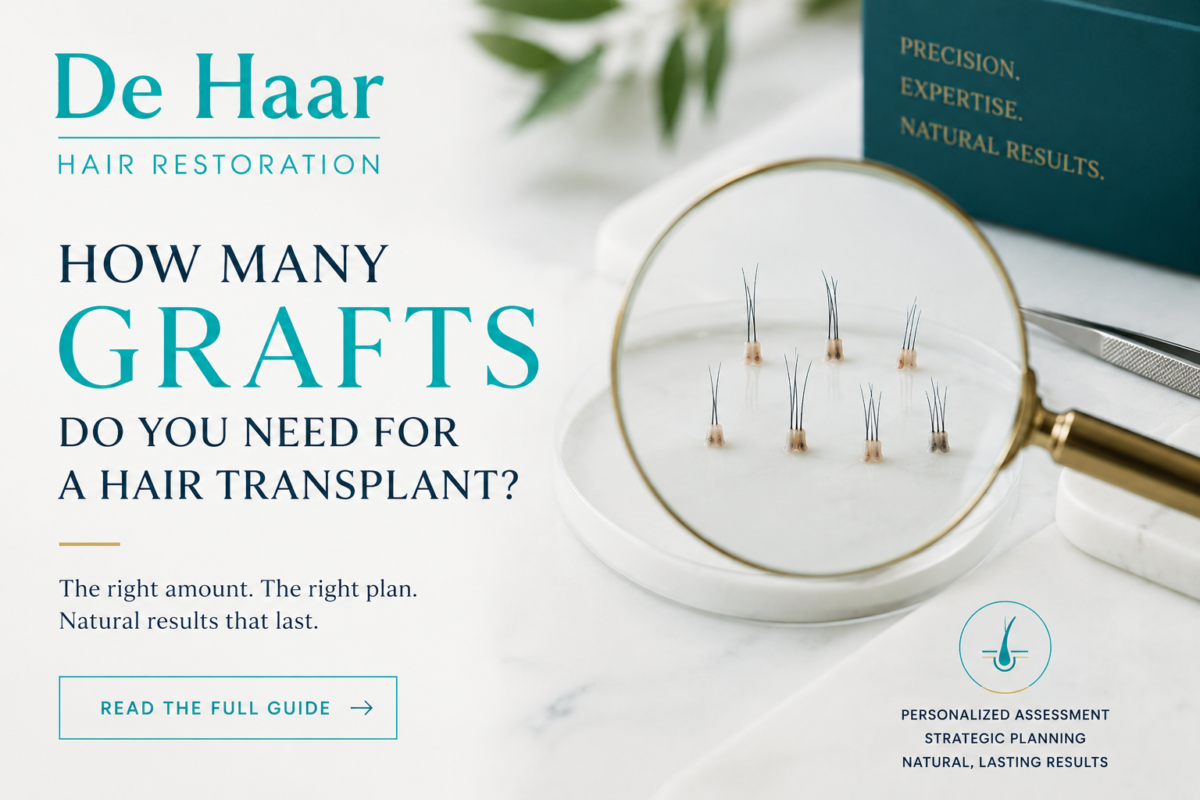
When people think about a hair transplant, they often focus on the area where they want more hair: The hairline, temples, crown, or thinning top of the scalp, but one of the most important parts of a successful hair transplant is actually the area where the hair comes from. This is called the donor area. In hair transplantation, donor quantity matters because every person has a limited amount of donor grafts. Once it has been used, it cannot be replaced. This makes careful planning essential, especially for patients with advanced hair loss or ongoing thinning. At De Haar Hair Restoration, every transplant plan begins with understanding not only where you are losing hair, but also how much donor hair is safely available to create a natural and lasting result.

Where is the donor area and what is special about it?

The donor area is located at the back and sides of the scalp. These hairs are genetically resistant to the effects of DHT, the hormone involved in androgenetic alopecia, also known as male or female pattern hair loss. Because these hairs are resistant to thinning and considered permanent, they are used for transplantation into areas where hair has been lost. Once transplanted, these follicles continue to grow in their new location throughout your life because they retain the permanence characteristics of the donor area.

Donor hair grafts are limited in supply so quantity matters

One of the biggest misconceptions about hair transplantation is that a surgeon can simply “move as much hair as needed.” In reality, you have a limited supply of donor hair. A person with strong donor density may have more grafts available for transplantation. A person with lower density, fine hair, scarring, previous surgery, or diffuse thinning may have fewer usable grafts. This is why donor quantity assessment is one of the most important aspects of a hair transplant consultation. Your donor quantity determines how much coverage can realistically be achieved without leaving you looking thin and balding in the donor area.

Donor density affects;

  • How many grafts can be safely harvested
  • Which areas should be prioritized
  • How dense the result can look
  • Whether the crown can be restored
  • Whether future procedures may be possible
  • How natural the transplant will look over time

A good hair transplant is not simply about using the highest number of grafts. It is about using the right number of grafts in the right places.

Protecting your donor area is vital

Overharvesting is one of the greatest risks in hair transplantation. If too many grafts are removed from the donor area, the back and sides of the scalp can begin to look thin, patchy, or depleted. This can be difficult or impossible to fully correct. A responsible surgical plan protects the donor area so that it continues to look natural after surgery. The goal is not only to restore the front or top of the scalp, but also to preserve the appearance of the donor area.

More grafts does not always mean a better result

Many patients are attracted to clinics that advertise very large graft numbers. While graft count is important, more is not always better. A very high graft number can be harmful if it exceeds what the donor area can safely provide.

Natural looking results depends on:

  • Proper graft selection
  • Careful hairline design
  • Correct angles and direction
  • Strategic placement
  • Donor preservation
  • Long-term planning

Using too many grafts too early can create problems later, especially if hair loss continues.

Remember that hair loss is progressive

Most forms of pattern hair loss continue over time. This means a patient may restore the hairline today but continue thinning behind it in the future. If all available donor grafts are used in one procedure without long-term planning, there may not be enough donor hair left to address future loss. This is why an experienced hair transplant surgeon think years ahead and understands your hair loss pattern and how your loss is most likely to progress. A successful transplant should not only look natural now but remain appropriate as the you age.

For patients with extensive hair loss, donor quantity becomes even more important. There may not be enough donor hair to recreate the density a person had in youth across the entire scalp. In these cases, the goal is to create the best possible cosmetic improvement using the available donor supply without overharvesting. Often, priority is given to the frontal hairline and mid-scalp because these areas frame the face and create the greatest visual impact. The crown may require a large number of grafts and can be more challenging to fully restore, especially if donor supply is limited.

How hair characteristics affect coverage

Donor quantity is not only about the number of grafts. Hair characteristics also matter. For example, coarse or curly hair often provides more visual coverage than fine, straight hair. Dark hair against light skin may show thinning more easily than hair with lower colour contrast. This is why two patients with the same graft count can have very different-looking results.

Coverage is influenced by:

  • Hair thickness
  • Hair colour
  • Hair texture
  • Curl or wave
  • Contrast between hair and scalp colour
  • Number of hairs per graft
  • Donor density

Donor quality matters too

Quantity is important, but quality is just as critical. A strong donor area has healthy, stable follicles that are suitable for transplantation.  Before recommending surgery, a thorough diagnostic assessment should confirm that the donor hair is appropriate for transplantation.

Why the diagnosis of your type of hair loss is important

Not all hair loss is suitable for hair transplantation. Certain conditions, including some scarring alopecia’s, autoimmune-related hair loss, uncontrolled inflammation, or diffuse shedding conditions, may affect whether surgery is safe or appropriate. If the underlying cause of hair loss is not properly diagnosed, even a technically well-performed transplant may fail to deliver the desired result.

At De Haar Hair Restoration, diagnosis is central to all treatment planning because the best results begin with understanding why hair loss is happening in the first place.

Donor planning in FUE and FUT hair transplants

Both FUE and FUT use donor hair, but they harvest it differently. In FUE, individual follicular units are removed one at a time from the donor area. This avoids a linear scar but requires careful spacing to prevent overharvesting. In FUT, a strip of tissue is removed from the donor area and dissected into grafts. This leaves a thin linear scar that is covered with the surrounding hair. FUT is useful in certain cases where you have extensive balding and maximizing your graft numbers is important. The best method depends mainly on your health, type of hair loss, your donor supply, hair loss pattern, goals, hairstyle preferences, and long-term plan.

Donor graft quantity and crown restoration

The crown is one of the most graft-demanding areas of the scalp. Because the crown has a circular growth pattern, it can require many grafts to achieve visible density. In patients with limited donor supply, restoring the crown too aggressively may take grafts away from areas that create more visual impact. This does not mean the crown cannot be treated. It means it must be planned carefully. Sometimes medical therapy, PRP, low-level laser therapy, or staged surgery may be recommended to support the best long-term outcome.

An excellent hair transplant is about strategy

Hair transplantation is not simply about moving hair from one place to another. It is about creating the best cosmetic result with a limited biological resource.

This requires:

  • Accurate diagnosis
  • Careful donor assessment
  • Realistic graft planning
  • Artistic hairline design
  • Long-term thinking
  • Protection of future options

The most successful results come from using donor hair wisely, not aggressively.

Why donor quantity matters at De Haar Hair Restoration

At De Haar Hair Restoration, we understand that every graft matters. Your donor hair is finite, and our goal is to use it in a way that creates the most natural, balanced, and most sustainable result possible. Before recommending surgery, we evaluate your hair loss pattern, donor density, scalp health, hair characteristics, medical history, and long-term goals. This allows us to design a treatment plan that protects your donor area while achieving meaningful improvement.

Final thoughts

Donor quantity is one of the most important factors in hair transplantation. It determines what is possible, what should be prioritized, and how your result may look years into the future. A successful hair transplant is not about using the most grafts. It is about using the right grafts, in the right places, with a plan that respects your limited donor supply. When donor hair is managed carefully, hair transplantation can create natural, lasting results that enhance your appearance while preserving options for the future.

Does-a-hair-transplant-hurt-image-1200x799.png

Does a  hair transplant hurt?

Honestly, no, other than a few quick pinches from the local anesthetic at the beginning, most patients are surprised by how comfortable the procedure actually is. Once the scalp is numb, you don’t  feel anything. Patients usually spend the day relaxing, chatting with the doctor and team, watching movies, listening to music, and many even fall asleep during the procedure.

During the procedure.

A hair transplant is performed under local anesthesia, which means you are awake throughout, but the scalp is fully numbed before any work begins. The procedure itself is not painful, the only moment most patients describe as a bit uncomfortable is the initial anesthetic injection, a brief stinging or pressure sensation as the numbing agent is administered. Once a local anesthesia takes effect, typically within a few minutes, you should feel no pain. Most patients describe the sensation during the procedure as pressure, vibration, or simply unawareness of movement, but not pain.

Many patients are surprised by the comfort level that they spend the procedure watching TV, listening to music, having conversations with the staff, and even sleeping. Our aim is  to provide a pleasurable, relaxing and positive experience throughout your procedure.

What about the anxiety before the procedure?

Pre procedural anxiety is normal and expected. If you are particularly nervous, speak with  Dr Gerbrands beforehand. If appropriate in your case,  a mild oral sedative is sometimes used to help patients relax before and during the procedure. This does not affect the safety or the outcome of the surgery. It simply makes the experience much more comfortable for those who need it.

Post procedure what to expect?

Once the anesthesia wears off, usually a few hours after the procedure, some degree of discomfort is normal. This typically presents as a mild to moderate aching or tenderness of the donor area where the grafts were harvested, and possibly a feeling of tightness or pressure across the scalp, some swelling around the forehead or eyes may appear two to three days post procedure, although this does not happen to everyone. Minor itching in the recipient area occurs as healing begins.

For the vast majority of patients, this discomfort is manageable and well controlled with prescribed or over the counter pain medications. Most describe the postoperative experience as a mild soreness comparable to muscle ache rather than a sharp pain.

How long does the discomfort last?

Most patients find that any noticeable discomfort resolves  within the first 3 to 5 days. By the end of the first week, the majority of patients have returned to daily activities with minimal to no pain. The donor area, particularly with FUT  procedures, may remain slightly tender for a few days longer.

Is FUE versus FUT: Is one more painful than the other?

There’s a meaningful difference in post operative comfort between the two primary hair transplant techniques.

FUE (follicular unit extraction). Because no strip of scalp is removed, patients typically experience less postoperative discomfort and heal more quickly. Most FUE patients report only mild soreness.

FUT or (follicular unit transplantation). The linear incision that is made to remove the donor strip means a slightly more postoperative tenderness in that area. Some patients also experience a temporary pulling or tight sensation at the back of the scalp during the healing phase.

In both cases, discomfort is temporary and manageable. Your surgeon will discuss with you which technique is most appropriate for your individual case during your consultation.

Managing any discomfort after your procedure

The morning after your procedure you will return to the office where we will go over your detailed aftercare instructions tailored to your procedure.  We will wash your hair, and you will then undergo a  LLLT treatment.

  • You will be provided with detailed aftercare instructions tailored to your procedure.
  • Measures that help manage any postoperative discomfort may include
  • Taking prescribed medication as directed in the first 24 to 48 hours
  • Sleeping with your head. Elevated typically at a 45° angle to help reduce and prevent swelling
  • Avoiding strenuous activity for the 1st 7 to 10 days.
  • Keeping the scalp clean and following your washing instructions carefully.
  • You may experience mild itching as the healing process takes place
  • Avoid direct sun exposure during the healing period

 When to contact the clinic

While some discomfort in the days following a procedure is expected, there are certain signs that warrant a call to the clinic. Although these situations are uncommon in procedures performed at reputable and properly staffed clinics, it is important to know what to watch for and when to contact your care team without hesitation if concerns arise.

  • If you have Pain that is severe, worsening or not responding to medication.
  • If you develop any sign of infection such as increased redness, warmth, swelling or discharge.
  • If you develop a fever above 38 Celsius or 100.4 Fahrenheit.
  • If you have any unusual bleeding that does not subside with gentle pressure.

In Summary

For the overwhelming majority of patients, a hair transplant is a comfortable, well tolerated procedure. The brief discomfort of the initial anesthetic injection is the most notable moment for most people. Beyond  that, the procedure itself is essentially pain free. Postoperative soreness is real but mild, short lived, and easily managed. With the right surgeon, the right preparation, and a clear aftercare plan, most patients are genuinely surprised by how smooth the experience is. With today’s highly effective topical anesthetics pain should never be the reason to avoid a procedure  that can meaningfully improve your quality of life.

If you have more questions about what to expect? Book a consultation, and we’ll walk you through every step of the process.

Microneedling-infographic-De-Haar-Image-1200x799.png

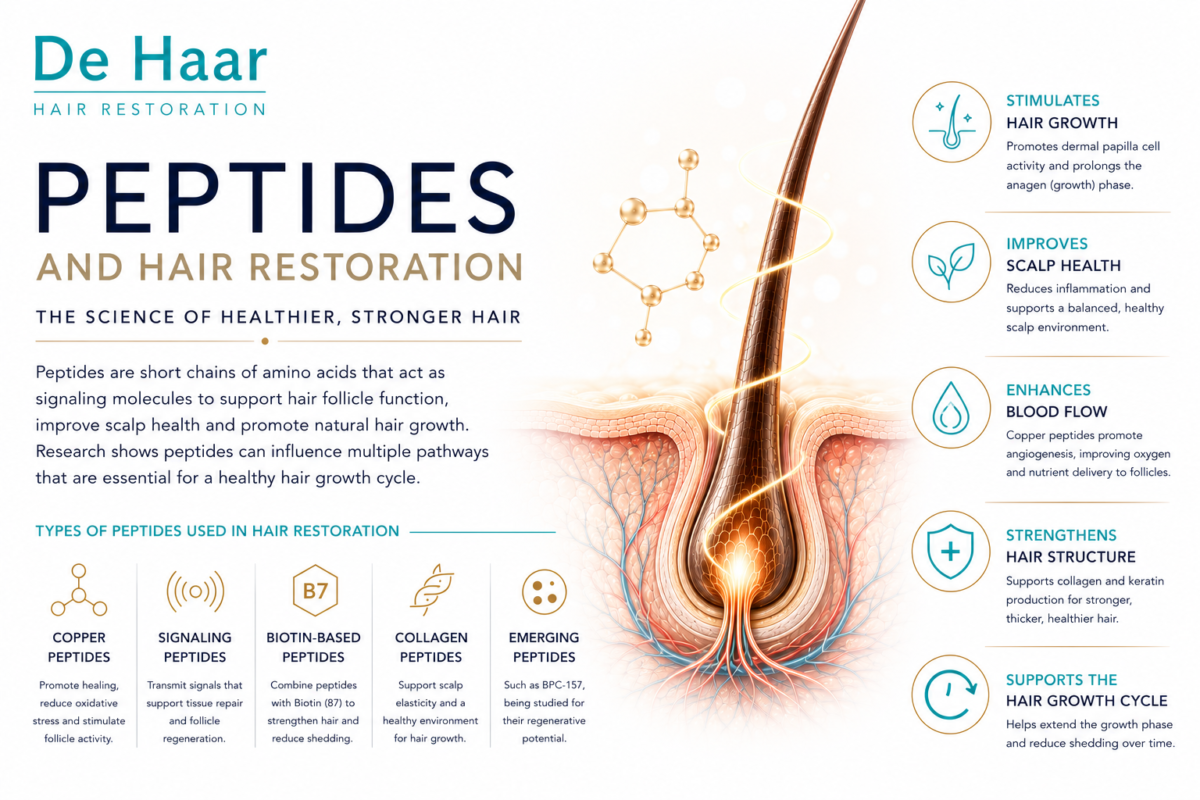
In recent years, one therapy has gained remarkable attention for its simplicity, safety and scientific grounding. Microneedling!  Originally developed for skin rejuvenation, microneedling has become a powerful technique for stimulating natural hair regrowth. Its success is supported by clinical research, dermatological science, and countless patient results around the world. Microneedling involves using a specialized device that contains fine sterile needles. These needles create controlled micro injuries at specific depths in the scalp. This process may sound counterintuitive, but the body’s natural healing response is what makes this treatment so effective.

How does it work?

When the scalp is micro needled, the body immediately activates a cascade of wound healing mechanisms. These include the release of growth factors, cytokines, and stem cell signals that repair tissue and stimulate new cell formation. Among the key biological responses is platelet activation. The micro channels cause micro injuries that trigger your platelets to release powerful growth factors such as; platelet derived growth factor, vascular endothelial growth factor, epidermal growth factor, and transforming growth factor. Collagen remodeling also occurs because fibroblasts are activated to produce collagen and elastin, improving your scalp health and skin structure. Revascularization occurs meaning new blood vessels are created which increase oxygen and nutrient delivery to damaged or miniaturized hair follicles. The response to the microneedle injury also stimulates the stem cells in the hair follicle which is crucial for initiating new hair growth cycles.

The result is a rejuvenated microenvironment in the scalp that promotes thicker, stronger, and more resilient hair growth. Hair follicles undergo natural phases of growth, the anagen (growth),  catagen(resting) and telogen(shedding) phases which occur in all individuals experiencing androgenetic alopecia and other forms of hair thinning. Many follicles become miniaturized and remains stuck in the resting phase. Microneedling helps to wake up dormant follicles through several synergistic mechanisms. The first is enhanced blood flow and oxygenation. Microneedling increases scalp microcirculation. New capillaries form to deliver essential nutrients, hormones and oxygen directly to the hair follicle root. This is critical because poor blood supply is often a key factor in the loss of or damage to follicles. This improved circulation helps to reenergize follicle metabolism and extend the anagen (growth)  phase of the hair cycle.  Activation of growth factors also occurs with micro needling. The cascade of growth factors acts as a natural fertilizer for follicles. (VEGF) vascularization endothelial growth factor encourages new blood vessel formation. (EGF) Epidermal growth factor supports keratinocyte proliferation and (IGF) Insulin-like growth factor is a critical protein that promotes collagen and hair shaft elongation. Collectively, these bio products reawaken follicles that have become dormant. Stimulation of stem cells and dermal papilla cells also occurs. The dermal papilla at the base of each follicle contains specialized stem cells responsible for hair regeneration. Microneedling directly stimulates these cells, enhancing their ability to produce new hair.

What do the studies show?

Moreover, studies show that microneedling increases B-catenin expression, a critical signaling molecule in hair follicle development. Numerous clinical studies over the past decade have demonstrated the efficacy of microneedling in promoting hair regrowth, particularly when combined with topical treatments such as minoxidil, platelet rich plasma and growth factor serums. One landmark study, published in the Internal Journal of Trichology in 2013, compared two groups of men with androgenetic alopecia, one treated with minoxidil alone and the other with microneedling plus minoxidil. After 12 weeks, the microneedling group showed four times greater hair count. Other clinical trials have reported similar outcomes, emphasizing that microneedling not only boosts hair density but also improves the penetration and absorption of topical agents. This dual action of biological stimulation and enhanced delivery sets microneedling apart from many other scalp treatments. Another key reason microneedling is effective in hair restoration lies in the collagen remodeling. Over time, the scalps extracellular matrix becomes fibrotic, particularly in areas affected by chronic inflammation. This fibrosis restricts hair follicle growth and compresses the surrounding blood vessels. Microneedling breaks down old fibrotic tissue and stimulates the formation of new collagen fibers. This creates a healthier scalp that supports follicle anchoring and resilience. A stronger, more flexible matrix also improves nutrient diffusion and mechanical support for regenerated follicles.

The combination effect

The effectiveness of microneedling is magnified when combined with bio active substances. The most popular is growth factor formulations contain exosomes and growth factors. The micro channels allow growth factors to penetrate deeply into the follicular unit, producing more robust results. Similarly, when stem cells, serums, exosomes or peptide based growth formulas are used,  microneedling serves as the perfect delivery system. The skin’s natural barrier normally limits absorption, but microneedling temporarily opens up micro channels that close within hours, enabling optimal diffusion without the risk of infection.

Microneedling works for both men and women. Microneedling triggers a purely regenerative biological process which works equally well for men and women because it does not depend on androgen modulation. Women in particular who often experience diffuse thinning due to hormonal changes, stress or genetics benefit significantly from microneedling. It improves scalp texture,  hair density and supports non hormonal hair regrowth safely without systemic side effects.

Does depth of the microneedles matter and when can I see results?

The effectiveness of microneedling depends on using appropriate needle depths and treatment intervals for hair restoration. Clinical settings typically use needle depths ranging from 0.5 to 1.5mm. Shallower depths target the epidermis for absorption enhancement, while deeper depth penetration stimulates the dermal papilla and follicular stem cells directly.  Visible results typically begin around 12 weeks, with continued thickening and density improvement over six months.

Is microneedling safe, does it hurt and are there side effects?

Microneedling is minimally invasive and safe when performed with sterile equipment by trained professionals. A topical anesthetic is applied to the scalp for your comfort and you should feel no pain whatsoever. Side effects are generally mild and temporary, including a mild redness, pinpoint bleeding, or tenderness for 24 to 48 hours post procedure. Because no incisions or heat energy is used, there is virtually no risk of scarring or pigment changes. Patients can return to normal activities within a day, making it one of the most convenient regenerative treatments for hair loss available today.

In Conclusion

While microneedling can deliver significant improvement on its own, it is most often effective as part of a comprehensive restoration strategy. De Haar Hair Restoration  regularly integrates microneedling with other evidence based therapies such as (LLLT) low level light therapy, exosomes, peptide infusions, nutritional and hormonal optimization and even surgical hair transplantation. When used post-transplant, microneedling enhances graft survival and accelerates healing by improving blood supply and collagen support in the recipient area. It is extremely effective for patients who have diffuse hair loss where the hair is thinning throughout the scalp. Patients are drawn to microneedling because it is a natural process, chemical free and cost effective. If microneedling, non-surgical hair restoration is something you’re interested in, Talk to us today.

Thyroid-and-hair-loss-image-1200x1295.png

The thyroid gland plays a critical role in regulating the health and function of your hair follicles. Even subtle changes in thyroid hormone levels can have a significant impact on the scalp and hair. Understanding this relationship is essential for accurate diagnosis and effective treatment of thyroid related hair loss.

Thyroid hormones support hair follicle  health

The thyroid gland produces 2 primary hormones, T3 (Triiodothyronine) and T4 (Thyroxine) , which are the two main hormones produced by the thyroid that control the body’s metabolic rate, energy production, and cellular turnover. T3 is the most powerful and active of the two. It plays a major role in controlling how fast your body burns energy, regulates the heart rate, supports brain function, influences hair and nails, affects digestion and controls body temperature. T3 helps maintain scalp  health by regulating blood vessel dilation, sebaceous glands, oxygen and nutrient delivery to the hair follicles. T4’s primary role is to be converted to T3. T4 acts as a hormone reserve and gets converted when the body demands heat, energy or metabolic activity. The thyroid gland produces T4 in response to TSH from the pituitary gland. T4 is converted in organs such as the liver and kidneys.

Thyroid hormone imbalance interrupts the hair growth cycle

Hair follicles are among the most metabolically active structures in the body and heavily rely on T3 and T4 to sustain healthy hair growth. These hormones support the antigen (growth)  phase,  keratinocyte  proliferation, stem cell activity and the microcirculation that transports nutrients and blood  to the hair follicle. When thyroid hormone levels become imbalanced, the follicle prematurely shifts into the telogen (shedding) phase, resulting in diffuse thinning and increased hair loss.

Hypothyroidism, which is an underactive thyroid, slows down metabolic processes throughout the body. This reduction in cellular turnover has a direct impact on the scalp. Common hair related manifestations due to hypothyroidism include diffuse thinning across the entire scalp, dry coarse brittle hair, reduced hair diameter, slower overall hair growth, and thinning of the lateral eyebrows, which is a classic sign. This condition typically produces a form of telogen effluvium, which is  where a higher than normal percentage of follicles remain in the telogen phase and shed simultaneously. In many patients,  low T3 levels cause diffuse thinning on the crown, top and sides of the scalp which often appears similar to androgenetic alopecia  but the cause here is metabolic driven  and not genetically  driven. Often with blood testing the TSH can appear normal but the free T3 is low.

Hyperthyroidism, which is an overactive thyroid, accelerates metabolic processes and places the body into a heightened state of physiological stress. This rapid turnover destabilizes the normal growth cycle of the hair. Hair changes that are seen in hyperthyroidism include accelerated thinning, fine and soft yet fragile hair, increased shedding and a shortened antigen or growth phase leading to reduced density. Although the presentation differs slightly from hypothyroidism, the mechanisms again results in telogen effluvium.

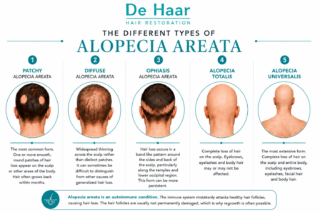
Autoimmune disorders such as Hashimoto’s thyroiditis and Graves’ disease are major causes of thyroid dysfunction. In some individuals, autoimmune activity extends to the hair follicles themselves. This can result in alopecia areata, characterized by sudden circular bald patches, loss of scalp and outer eyebrow hair, and in males,  can include beard hair. Occasionally, in severe cases it can cause total scalp or body hair loss. Alopecia areata is an immune mediated condition and must be managed differently from hormonally driven  conditions. Initiating and adjusting thyroid medications can temporarily increase shedding as the follicles recalibrate. This reaction is typical and resolves once hormone levels stabilize. Most patients notice an improvement within 6 to 12 weeks of receiving thyroid treatment.

Thyroid dysfunction and coexisting factors should be addressed simultaneously

Thyroid dysfunction often coexists with micronutrient deficiencies that further disrupt healthy hair growth. The most common deficiencies include Ferritin,  B12, vitamin D, Zinc, impaired protein absorption and metabolism. Correcting the thyroid hormonal balance alone may not fully restore your hair unless these systemic factors are evaluated and treated. In most cases, hair loss caused by thyroid disease is reversible. Once hormone levels are optimized, the follicles will gradually return to a normal growth cycle. However, this regrowth typically begins within three to four months of starting thyroid treatment and correcting the deficiencies.  A noticeable increase in density will be seen at 6 to 12 months. Long term, untreated thyroid disease may cause incomplete recovery. Coexisting factors such as certain medications, heavy metal toxicity and androgenetic alopecia may mask regrowth unless addressed simultaneously. Early diagnosis and comprehensive treatment offer the best outcomes.

When to seek professional help

One should consider thyroid testing if they experience sudden, diffuse hair shedding, changes in hair texture or quality, eyebrow thinning especially in the lateral region of the eyebrow, fatigue and weight changes,  skin dryness, sensitivity to cold and heat, irregular heart rate, and any neck swelling or discomfort.

Your doctor or hair loss specialist may order a panel of tests that include a TSH, free T3, reverse T3, free T4 as well as (TPO) Thyroid peroxidase antibodies and (TGAb) Thyroglobulin antibodies to provide a complete picture of your thyroid function.

In Conclusion

The thyroid gland and the hair follicles share an intricate metabolic and hormonal relationship. Imbalances in thyroid function, whether due to hypothyroidism, hyperthyroidism,  autoimmune disease or medication changes can disrupt the hair growth cycle and lead to increased shedding, thinning, and changes in hair texture. With proper diagnosis, medical management, and supportive treatment, most individuals can expect significant improvement and, in many cases, a full recovery of their hair density.

Turkey-vs-Canada-hair-transplant-1200x800.png

Many people are surprised to learn that after factoring in flights, accommodations, meals, local transportation, travel insurance, and time away from work, the actual savings of a hair transplant in Turkey may be much smaller than expected. Add the very real differences in patient protection, surgeon accountability, post-procedure aftercare, and something that rarely gets mentioned, the currency exchange, and the value equation shifts even further. This article is not about telling you Turkey is a bad option. It is about helping you understand the full picture so you can make a decision you will feel good about 12 to18 months from now, when the results are finally visible.

The First Thing to Check: What Currency Is That Price In?

When you search for hair transplants in Turkey online, the prices you see are almost universally quoted in US dollars, not Canadian dollars. That distinction matters more than most people realize until they start doing the math.

USA vs Canada: The Exchange Rate Factor

A Turkish clinic advertising a package at USD $3,500 is not the same as CAD $3,500. With the Canadian dollar typically trading between 0.71 and 0.74 USD, that same package actually costs closer to CAD $ 4,700-$4,900 before you have even booked a single flight, hotel or considered other expenses. On larger packages priced at USD $ 6,000-$ 8,000 the conversion alone adds CAD $1,600-$ 2,200 to the real package before travel begins.

Transparent Canadian Pricing

At De Haar Hair Restoration every price we quote is in Canadian dollars. There is no conversion to do and no exchange rate to track, There are no hidden costs and no surprises when your credit card arrives. What we quote you is what you pay. Unlike a Turkey hair transplant package, your De Haar procedure comes with something no oversees clinic can match: a complete, included comprehensive after care program delivered by the same surgeon and surgical team that performed your procedure. Our price per graft at De Haar is $ 3.50 CDN to $ 6.00 per grafts dependent on the type of transplant method.

How  Can De Haar Offer Such Low Hair Transplant Prices In Canada?

This is a fair question. Canadian healthcare costs are real, and most hair transplant clinics in major cities like Toronto or Vancouver charge significantly more per graft. The reason De Haar Hair Restoration can offer some of the lowest pricing in Canada comes down to a single deliberate decision. We do one thing and one thing only.

De Haar Hair Restoration is Saskatchewan’s only clinic exclusively dedicated to hair loss. We do not perform facelifts, Botox injections, rhinoplasty or any other cosmetic procedure. Every hour of every day our team focuses entirely on hair. Hair loss diagnosis, surgical hair restoration, non surgical hair loss treatment and post transplant care. That specialization eliminates the overhead and inefficiencies of running a broad based cosmetic surgery practice and those savings are passed directly onto our patients. Because De Haar Hair Restoration is exclusively focused on hair loss,  we deliver world class care at pricing that genuinely competes with overseas destinations without the overseas risks.

The De Haar Difference Starts at Consultation

One of the most overlooked and important differences between De Haar Hair Restoration vs booking abroad is what happens before the procedure. At De Haar your journey begins with a thorough medical evaluation and not a sales consultation. Each patient receives a Trichoscopy assessment to assess the health of the existing follicles and the degree of loss, a diagnosis as to the type of hair loss you have, the donor area is also mapped to determine your realistic graft yield. Based on this evaluation you will receive a personalized treatment plan covering both surgical and nonsurgical options. There is absolutely no pressure and no obligation to commit.

The Aftercare Advantage of De Haar

At De Haar Hair Restoration, aftercare is not an add-on. It is built into your treatment and included at no extra cost. Here is what that looks like in practice:

  • PRP Treatment. A PRP  treatment is included in your transplant package at no extra cost to you.
  • LLLT Treatments ( Low-Level Laser Therapy) is a clinically recognized therapy that supports graft survival, reduces inflammation and stimulates follicular activity during the critical post transplant recovery period. At most clinics this is billed separately. At De Haar, it is included as part of your program free of charge.
  • Three post care appointments are scheduled and included. Your recovery milestones are tracked , we check your scalp, answer your questions and address any concerns at each stage.
  • Post-transplant supplies, hair washing and  Instructions are included. Post-transplant hair washing during the first few days can be an anxiety inducing part of recovery for many patients. At De Haar, we work with you until you are completely comfortable to do this on your own and provide you with the supplies needed during the recovery period..
  • Ongoing Support.  Our commitment to you does not end at your three month check up. If you have questions or concerns at month 9  or 12 even, we are here for you. You are a patient, not a transaction.
  • No Surprise Fees and No Extra Invoices. Your PRP treatment and the post transplant LLLT treatments, post care supplies. hair washing visits and post care appointments are all included. Once you are our patient we are committed to your results.

What the Price Doesn’t Tell You: Regulations and Patient Protection

This is where the comparison becomes about more than dollars and where Canada’s framework offers something truly distinctive.

Hair transplant surgeons and clinics in Canada are regulated at both the federal and provincial level. This means that every hair transplant clinic across the country, from British Columbia to Nova Scotia, is held to the same stringent standards regardless of where it operates.  The result is a consistent, enforceable, coast-to-coast standard of patient protection that applies uniformly to every accredited Canadian clinic.

In practical terms, this means that when you choose any licensed hair restoration clinic in Canada, you are protected by one of the most comprehensive patient safety frameworks in the world. Your surgeon must be a licensed physician. The facility must meet defined standards. The procedure must be documented. If anything goes wrong, you have a clear, local path to recourse and a regulated complaints process, professional accountability, and direct access to your surgeon.

Turkey is home to many excellent, highly skilled hair transplant surgeons and internationally accredited clinics and that is genuinely true. But it is also home to a significant number of loosely regulated operations where the surgeon you consulted online may not be the person in the room on the day of your procedure. In many cases, surgery is delegated to unlicensed technicians. Turkish law has been tightening around this issue, but enforcement remains inconsistent, and for a Canadian patient thousands of kilometers away, practical recourse is limited if the outcome falls short.

To be fair: Turkey has produced some outstanding hair transplant results. The country’s top-tier clinics, staffed by internationally credentialed surgeons who perform high volumes of procedures annually, are legitimate and capable. For patients willing to do careful, time-intensive research verifying surgeon credentials individually, reading patient-specific reviews, and confirming operating room protocols in writing. The challenge is that this level of due diligence is genuinely hard to do from Canada. The internet makes every clinic look premium, testimonials are easy to curate and packages are marketed in USD to make savings look larger. Once you are in Istanbul, you are committed. The patients who return with great results did their homework meticulously. Those who return with complications or disappointment often trusted the marketing over the process.

The Bottom Line

For some patients, in some circumstances, a carefully chosen and rigorously researched Turkish clinic can deliver good results at a genuine saving. We acknowledge that honestly, because our goal is to help you make the right decision and not just the one that brings you to our door but for the majority of Canadian and US patients who explore the Turkey option seriously, the conclusion tends to be the same: once you convert the USD price to Canadian dollars, add realistic travel costs, weigh the dual-layer federal and provincial regulatory protections you give up, and factor in the value of included pre and aftercare. The true price difference if any, is often far smaller than the headline numbers suggest and the certainty of choosing a highly accredited Canadian Surgeon who is available to you throughout your full recovery is worth more than any remaining gap.

Hair restoration is a long-term investment in how you look and feel today, tomorrow and in the future.

Transgender-hair-transplant-image-1200x799.png

Feminization hair transplantation has emerged as a highly effective and increasingly popular method for creating a softer, more feminine appearance for Transgender women. By reshaping the hairline, restoring thinning areas, and framing the face in traditionally feminine ways, modern hair transplantation techniques can dramatically enhance facial harmony, supporting  gender affirmation.

Hair is commonly the most recognizable gender markers in human appearance. The shape of the hair line, density of the hair, and framing of the face all influence whether someone is perceived as male or female. For transgender women transitioning from male to female, modifying the hairline can significantly contribute to achieving a more feminine presentation. Hair transplantation offers a permanent, natural solution which soften masculine facial features and help individuals feel more aligned with their identity.

The Masculine vs Feminine Hairline

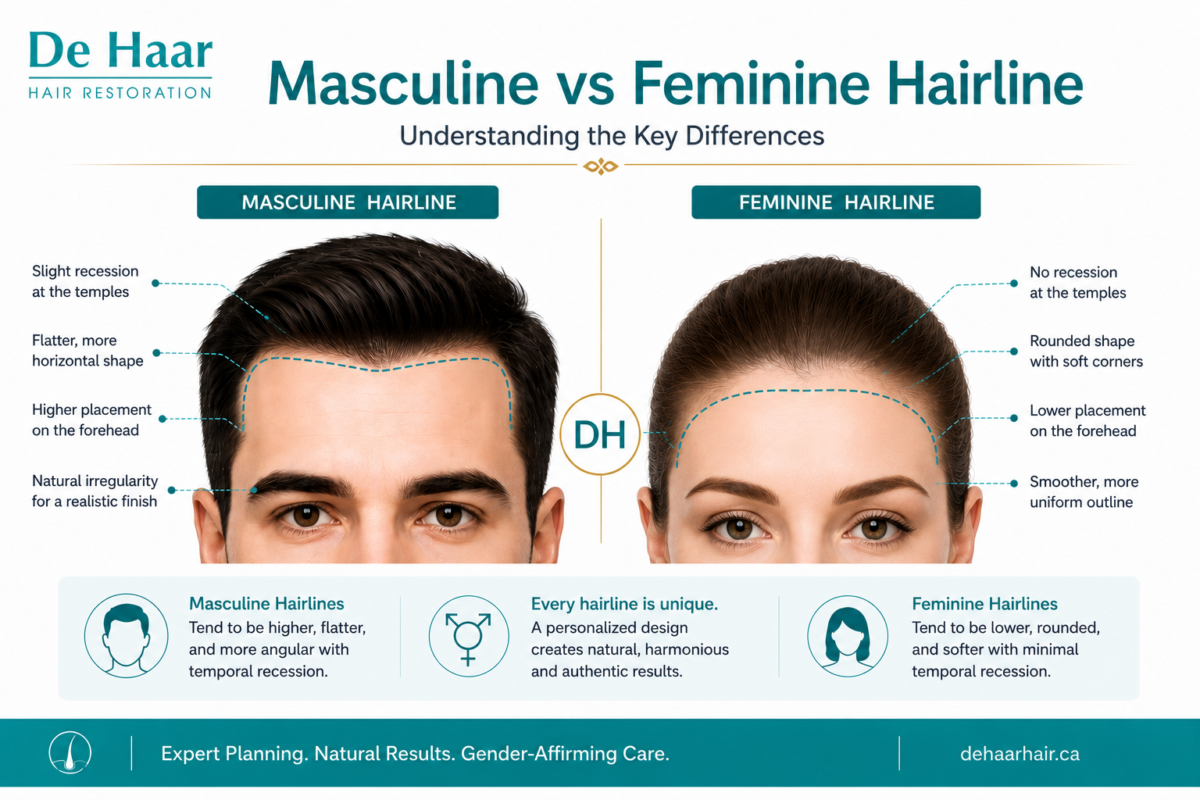
One of the primary differences between male and female facial appearance lies in the structure of the hairline. Cisgender men generally have a higher, more angular hairline with noticeable recession in the temples. This creates an M shaped appearance that is commonly associated with masculine aging and testosterone driven hair patterns. Female hairlines are generally lower, rounder and softer. The corners are less recessed, and the hairline often forms a gentle curved shape that frames the forehead more delicately. Subtle changes in the hairline contour can dramatically affect how you are perceived. For transgender women, restoring and redesigning the hairline is often one of the most impactful facial feminization procedures available. Hair transplantation can lower the hairline, fill the temporal recessions, create that rounded frontal contour and importantly,   conceal signs of male pattern baldness while improving symmetry and facial balance. These adjustments make the forehead appear smaller and contribute to a more conventionally feminine aesthetic.

Gender Dysphoria: The Psychological Importance of Hair in Gender Identity.

Hair has a profound emotional and psychological significance. Across many cultures, a full head of healthy hair is associated with beauty, youth, and identity. For transgender women, a masculine hairline and hair loss  can become a persistent source of gender dysphoria. Gender dysphoria refers to the emotional distress caused by a mismatch between a person’s gender identity and their physical characteristics. Because the hairline is constantly visible and difficult to conceal, many transgender women experience moderate to severe anxiety related to thinning hair or male pattern baldness. Hair transplantation permanently alleviates this distress by allowing the individuals outward appearance to better reflect their internal sense of self. Many patients report improved self-esteem and reduced anxiety after feminization. Hair restoration procedures, unlike wigs or temporary cosmetic solutions, grows naturally and permanently. This permanence can provide emotional relief and stronger sense of authenticity during transition.

Modern Hair Transplant Techniques.

Advancements in hair restoration technology have made hair transplantation much safer and more affordable than ever before. Two primary techniques are commonly used in feminizing hair restoration.

Follicular Unit Extraction( FUE) is the most popular hair transplant technique. Individual hair follicles are extracted from the donor area, usually at the back and sides of the scalp, and relocated into targeted regions. Each hair follicle can contain anywhere from one to four hairs. The benefits of FUE include minimal scarring, faster healing, a natural appearance, the ability to precisely design and shape the hairline into a feminine aesthetic with little down time. FUE is particularly useful for transgender women because surgeons can carefully design your new  feminine hairline with precise artistic control.

Follicular Unit Transplantation (FUT)

FUT involves removing a thin strip of scalp from the donor area and dissecting it into individual grafts for transplantation. Although FUT may leave a thin linear scar, this can easily be concealed by the surrounding hair. FUT can provide a large number of grafts in a single session. Patients with significant hair loss may also benefit from the FUT Procedure.

Hairline design in facial feminization.

Hair transplantation for transgender women differs significantly from standard male hair restoration. In traditional male hair transplants, surgeons typically preserve and restore the masculine characteristics while increasing density. In feminization procedures, the goal is entirely different. The surgeon will consider forehead proportions, facial symmetry, brow structure, age, ethnicity, hair texture, long term hormonal effects and desired femininity level. The artistry involved in designing a feminine hairline is crucial. A poorly designed hairline can appear unnatural or fail to achieve feminization goals. This is why it is important that your surgeon has experience in feminization transplantation. Surgeons with artistic talent create rounded temporal corners, lower frontal hairlines with a natural softness, increased density at the frontal scalp and curved framing around the temples. These subtle modifications can significantly alter facial perception without changing the underlying bone structure.

Combining hair transplantation with hormone therapy.

Hormone replacement therapy (HRT) is commonly used during male to female transition. Estrogen and androgen blockers can reduce testosterone levels and slow further hair loss in some individuals. In some individuals, HRT may even partially reverse miniaturized hair follicles. However, hormone therapy alone cannot restore a heavily receded or masculine hairline. Hair transplantation is frequently used in combination with HRT to obtain optimal feminization. Some surgeons may recommend waiting until hormone therapy has stabilized before performing transplantation. This allows the surgeon to better assess future hair loss patterns and determine the most effective design. The combination of HRT and hair transplantation can produce especially dramatic changes because the face simultaneously becomes softer while the hairline becomes more feminine.

The procedure and recovery process.

Hair transplantation is a minimally invasive procedure generally performed under local anesthesia in an outpatient setting. Depending on the number of grafts required, the procedure may take several hours or even a full day. During the procedure, donor follicles are harvested. Small recipient sites are created, and hair grafts are carefully redistributed into the recipient sites. The hairline is sculpted according to the feminization plan. Recovery is manageable with mild swelling, redness and scabbing are common during the first week. Most patients return to work within several days. Initially transplanted hairs often shed out of the follicle before the follicle enters a new growth phase. Permanent growth typically begins within three to four months, with full results visible between 12 to 18 months. Because these transplanted follicles are resisted to the effects of DHT the results are generally permanent.

The role of facial framing in the feminine appearance.

One reason hair transplantation is so effective in feminization is facial framing. Hair creates visible proportions that influence how facial features are interpreted. For example, lower hairlines make the forehead appear smaller, rounded contours soften angular faces, fuller temple areas reduce masculine sharpness, and side framing creates delicacy around the cheeks and jaw. Even without facial surgery, adjusting the airline can dramatically change gender perception. Many transgender women choose feminization hair transplantation before facial feminization surgery. In some cases, facial feminization surgery is not undertaken because the goal and level of feminization from the hair transplantation is achieved and additional procedures become unnecessary.

Addressing male pattern baldness in transition.

Male pattern baldness can be particularly distressing during gender transition. Testosterone driven hair loss may continue for many years before transition begins, leaving extensive recession or thinning. Hair transplantation offers a permanent solution for many stages of hair loss. In advanced cases of androgenetic alopecia, multiple sessions may be required to achieve desired density or mega session.

Some patients may also choose to combine transplantation with treatments such as minoxidil, finasteride, Dutasteride. Platelet rich plasma PRP and low Level laser therapy. Together, these approaches can maximize hair preservation and improve transplant outcomes. Selecting a qualified surgeon is essential for successful feminization. Hairline feminization requires not only technical skill but a high level of artistic understanding of gender facial aesthetics. Patients should seek surgeons who have experience with transgender patients, specialize in hairline feminization, understand facial gender differences and offer individualized treatment plans. Consultation should include detailed discussions about goals, expectations, graft numbers, and long term maintenance.

Social and emotional benefits.

The impact of feminizing hair transplantation often extends beyond physical appearance. Many transgender women describe profound emotional benefits after treatment. Commonly reported improvements include increased confidence, reduced social anxiety, greater comfort in public, easier gender recognition and acceptance, and improved mental health. Most significant of all, individuals who have struggled with dysphoria for years related to hair loss or masculine features, restoring a feminine hairline can feel absolutely transformative. Hair transplantation can also eliminate dependence on wigs, hats, heavy makeup or strategic hairstyles to conceal recession.

Risks and considerations.

Although hair transplantation is generally safe, it is still a surgical procedure with potential risks. Possible complications may include infection, scarring, temporary swelling, uneven growth,  poor graft survival, and unnatural hairline design. Working with an experienced hair transplant surgeon. greatly reduces these risks along with following your surgeons recommended pre and post procedure instructions.

The future of hair restoration and gender affirming care.

As awareness of transgender healthcare continues to grow, hair restoration is fast becoming increasingly recognized as an important component of gender affirming treatment. Modern techniques allow surgeons to create highly individualized, natural looking outcomes tailored specifically to feminine aesthetics. With ongoing advancements in regenerative medicine, stem cell research, and follicular cloning, the future of hair restoration may become even more effective and accessible. Importantly, transgender healthcare providers are increasingly acknowledging that produce that procedures once. Considered cosmetic, can have a meaningful mental health benefit and significantly improve the quality of life.

Conclusion.

Hair transplantation is  a powerful tool in helping transgender women achieve more feminine appearance during transition. By reshaping the hairline, restoring density, and softening facial contours, hair restoration can significantly enhance facial feminization and reduce gender dysphoria.  Beyond aesthetics, the procedure often provides emotional relief, improved confidence, and a stronger alignment between identity and appearance. As techniques continue to advance, hair transplantation is likely to remain an increasingly important part of comprehensive gender affirming care.  For many transgender women,  the journey towards authenticity involves countless deeply personal decisions. Hair restoration is not about vanity, it is about identity, comfort, confidence, and the ability to see your real self reflected in the mirror each day.

Contact us today and let’s talk.


Signs-of-hair-loss-in-men-1200x797.png

Hair loss in men often begins gradually and can be easy to dismiss in the early stages. Recognizing the first signs of hair loss is important because early intervention offers the widest range of effective treatment options and the best chance of preserving as much of the existing hair that you have and reviving follicles that are still viable.

What are the early signs of hair loss in males?

The most common early and most recognizable sign of hair loss in men is a receding hairline.  You may see a subtle recession at the temples creating a slight M or V-shape forming at the front of the hairline. This can also occur as an uneven recession on one side or increased scalp visibility of the scalp when the hair is styled. This pattern is typical of androgen (hormonal) related hair loss and often starts in the late teens to early thirties. Another frequent early sign is thinning at the top or crown of the head. Some men may notice a small thinning patch visible under bright light or a widening swirl or cowlick. Often the hair appears flatter or less dense at the back. Thinning hair can often go unnoticed until it becomes more advanced or until someone close to you mentions it.

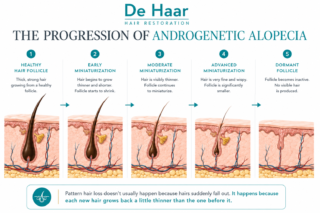
Hair loss does not always start with visible bald spots. Early on, hair may feel thinner or softer and lose volume. It may be more difficult for styles to hold, and the hair breaks more readily. This occurs due to follicle miniaturization where individual hairs grow back thinner with each hair growth cycle. You may notice that hair takes longer to grow after a haircut, or previously fast growing areas seem to grow less vigorous. You may notice a reduced density even though shedding seems minimal. This reduced growth phase is the hallmark of progressive weakening of the follicle. Increased scalp showing through, under or overhead in natural light can be an early indicator of density loss even before baldness is obvious.  Sometimes warning signs may be present such as persistent scalp itching, inflammation or flaking. Hair loss accompanied by redness or pain, patches or an irregular hair loss pattern that can affect eyebrows, beard or body hair may suggest an inflammatory or autoimmune condition and should never be ignored. Rapid or sudden shedding  ( telogen effluvium) especially after an illness, stress surgery or medication is often reversible in it’s early stages once the trigger causing it is addressed. Men should seek a professional evaluation if they experience hair loss before the age of 25 because early onset hair loss tends to be more aggressive and benefits most from early intervention.

You can tell you are losing your hair by tracking structural changes in your hairline or overall hair volume over time. While losing 50 to 150 hairs daily is a completely normal part of the body’s natural shedding cycle, true hair loss occurs when the hair stops growing back.

Key Visual Signs

  • A Receding Hairline: Look at the corners of your forehead. Men typically see hair retreat at the temples first, forming an “M” shape.
  • Thinning at the Crown: Check the top and back of your head using a hand mirror or phone camera. Thinning in this area is a primary marker of genetic pattern baldness.
  • Diffuse Thinning: Your hairline may stay exactly the same, but your overall hair volume decreases uniformly across the top of your head.
  • Miniaturization: Look closely at individual shed hairs. If newer hairs look much shorter, thinner, and weaker than your normal strands, your hair follicles are shrinking.
  • Patchy Bald Spots: Smooth, round, or coin-sized bald spots that appear suddenly are not typical pattern baldness. They usually point to an autoimmune reaction like alopecia areata.

 At-Home Tests

  • The Photo Comparison: Dig up photos of yourself from 2 to 4 years ago. Compare the density of your hair in bright lighting and the exact position of your hairline relative to fixed facial features.
  • The Gentle Pull Test: Take a small section of dry hair between your fingers. Tug gently from the roots to the ends. If more than 6 hairs pull free easily, you are likely experiencing active, excessive shedding.

Normal Shedding vs. Active Hair Loss

It is important to distinguish between normal daily shedding and actual hair loss:

  • Normal Shedding: Hairs fall out from the root with a tiny white bulb at the end, meaning the follicle is simply resetting into a new growth phase.
  • Hair Breakage: Short pieces of hair without a bulb mean your hair shaft is snapping due to damage from heat or styling, but the root remains perfectly healthy.
  • Telogen Effluvium: Finding massive clumps of hair on your pillow, in the brush, or clogging the shower drain often signals temporary shedding triggered by major stress, surgery, or nutritional deficiencies.

In Summary

Recognizing the early signs of hair loss is the first step towards preserving your hair and your confidence. Thinning at the temples, increased shedding and changes in hair density should never be ignored or dismissed as normal aging. When addressed early, many forms of male hair loss can be stabilized, slowed and in many cases significantly reversed. Seeking a professional evaluation allows for an accurate diagnosis, evidence-based treatment options and a personalized plan designed to protect your existing hair and prevent unnecessary progression. The sooner action is taken the more options and better outcomes remain available.

Please seek professional advice if you are experiencing these signs and especially If you have a family history of advanced hair loss an early age. There are many non surgical options to help you keep your hair and restore and repair damaged follicles.

Direct-Implant-hair-transplant-image.png

Hair transplantation has evolved dramatically over the last two decades. What was once considered a procedure that produced obvious, unnatural results has become a highly refined medical treatment capable of restoring hairlines with remarkable precision and naturalness. Among the most advanced techniques available today is the Direct Hair Implant Transplant, often referred to as the DHI method. At De Haar Hair Restoration, we believe that understanding your treatment options is the first step toward making an informed decision about your hair restoration journey. If you’re exploring surgical solutions for hair loss, here’s why a direct hair implant transplant has become one of the most sought-after techniques in modern hair restoration.

What Is a Direct Implant Hair Transplant?

A DHI  transplant is an advanced variation of Follicular Unit Extraction (FUE). Individual follicular units are carefully extracted from the donor area and then implanted directly into the recipient area using a specialized implantation device. Unlike traditional methods that require the surgeon to first create recipient sites and then place grafts into those sites, the direct implant technique combines these steps into a single, controlled movement. This allows for exceptional precision during the placement process. The goal remains the same: to create natural, permanent hair growth using your own genetically resistant hair follicles. However, the direct implant method offers several unique advantages that can enhance both the procedure and the final outcome.

Exceptional Precision and Control

One of the greatest benefits of direct implantation is the level of precision it provides. Hair grows at specific angles, directions, and densities that vary across different regions of the scalp. The frontal hairline, temples, crown, and mid-scalp each require a unique approach. The direct implant technique allows the surgeon to carefully control hair angle, direction, depth and density. This precision is particularly important when creating a natural-looking hairline. Even minor variations in graft placement can significantly affect the final appearance. When performed by an experienced hair restoration surgeon, direct hair implantation can help recreate the subtle irregularities and softness found in a natural hairline.

Natural-Looking Results

Most patients aren’t simply looking for more hair, they want hair that looks completely natural. The direct implant method allows for meticulous placement of individual follicular units exactly where they are needed. Single-hair grafts can be positioned along the leading edge of the hairline to create a soft, feathered appearance, while multi-hair grafts can be strategically placed behind the hairline to build density. This results in softer hairline transitions, natural appearance, better blending with existing hair and a more refined aesthetic outcome.

Reduced Handling of Hair Grafts

Hair grafts are delicate living tissue. The less they are handled during the procedure, the better their chances of survival. With traditional implantation methods, grafts may be transferred multiple times before placement. The direct hair implant technique minimizes unnecessary manipulation by allowing grafts to be loaded directly into the implantation device and placed into the scalp with greater efficiency. Benefits include:

  • Reduced graft trauma
  • Improved graft protection
  • Enhanced viability of transplanted follicles
  • Higher-quality growth outcomes

Higher Graft Survival Rates

The success of a hair transplant depends on how many transplanted follicles successfully establish blood supply and begin growing in their new location. Because the direct implant method minimizes handling and allows efficient placement, many surgeons believe it can contribute to excellent graft survival. While surgical skill remains the most important factor, every step that protects the follicle helps support successful growth. Healthy graft survival translates into:

  • Better density
  • More consistent growth
  • Fuller coverage
  • Improved long-term results

Less Trauma to the Scalp

Direct hair implantation is more often a gentler approach to recipient area creation. Traditional techniques involve creating all recipient sites first and then placing grafts into those sites afterward. With direct hair implantation, site creation and graft placement occur simultaneously. This can reduce repetitive manipulation of the recipient area and allow for highly controlled placement. This is especially important for patients who still have existing hair in the recipient area. Potential benefits include:

  • Reduced tissue trauma
  • Less disruption to surrounding follicles
  • Improved healing
  • Enhanced comfort during recovery

Ideal for Hairline Restoration

Hairline design is one of the most technically demanding aspects of hair transplantation. A successful hairline must look natural not only today but also years into the future. The ability to recreate natural hair patterns is one of the reasons many patients specifically seek out direct implantation transplants. The DHI method excels in hairline restoration because it allows the surgeon to carefully place each graft with precise control over the direction, angle, spacing and density. This level of customization can be particularly beneficial for receding hairlines, temple and corner restoration, Female hairline lowering and gender affirming procedures.

Excellent for Women and Men

Hair loss affects both men and women, often in different ways. Women frequently experience diffuse thinning rather than distinct bald areas. Because existing hairs often remain throughout the treatment area, preserving those hairs becomes especially important. The direct implant technique can be advantageous because it allows for careful placement between existing hairs while minimizing disruption. This makes it a popular option for female pattern hair loss, scar camouflage, eyebrow restoration and density enhancement. Men also benefit from the technique when rebuilding hairlines, restoring corners and crown density, or addressing diffuse thinning.

Permanent Results

One of the most important benefits of any hair transplant is permanence. The transplanted follicles are typically harvested from the back and sides of the scalp, areas genetically resistant to the effects of DHT (dihydrotestosterone), the hormone primarily responsible for androgenetic alopecia. Once transplanted and established, these follicles generally retain their resistance to DHT providing a permanent solution.  Although ongoing hair loss in non-transplanted areas may still occur and will be addressed, the transplanted follicles themselves are designed to be permanent.

Faster Return to Normal Activities

Most modern hair transplant procedures involve relatively little downtime. Because the direct implant technique is minimally invasive and does not require a linear incision, recovery is fast and generally well tolerated. Temporary redness and small scabs are normal, but these usually improve significantly within 7 to 10 days. Patients are typically able to return home the same day and resume light activities and return to office work within a few days. Heavy exercise that causes your blood pressure to rise and sweating should be avoided with any type of transplant for 30 days.

Customized Treatment for Every Patient

No two patients experience hair loss in exactly the same way. A successful transplant requires a detailed consultation, diagnosis and health history, donor assessment, a personalized design and a long term plan to address and prevent further loss of the hair surrounding your new transplant. The direct implant method allows for exceptional customization during the implantation phase. Whether the goal is subtle density enhancement or complete hairline restoration, the technique provides flexibility to tailor the treatment to each patient’s unique anatomy and goals.

Is a Direct Implant Transplant Right for You?

While the direct hair implant technique offers many advantages, it’s important to understand that no single technique is right for every patient. The most important factors influencing your results include:

  • The skill, artistry and experience of the surgeon
  • Quality and density of the donor area
  • Hair characteristics
  • Scalp health
  • Long-term treatment planning

A comprehensive consultation is essential to determine whether a direct implant procedure is the best option for you.

The De Haar Hair Restoration Approach

At De Haar Hair Restoration, we believe exceptional results come from combining advanced techniques with thoughtful, individualized care. Direct implantation represents one of the most sophisticated methods available in modern hair restoration, offering outstanding precision, natural-looking results, and long-term hair growth for appropriately selected candidates. Whether you’re concerned about a receding hairline, thinning crown, diffuse hair loss, or simply want to understand your options, the first step is a professional assessment and a personalized treatment plan.

Restoring hair isn’t just about replacing what’s been lost, it’s about creating results that look natural, age appropriate, and complement who you are.

A-good-transplant-candidate-1200x801.png


Am I actually a good candidate for a hair transplant?

A good candidate for a hair transplant is a healthy individual with stable hair loss, density in the donor area, realistic expectations.  A successful hair transplant depends on several important factors, including the type of hair loss, the quality of the donor hair, age, expectations, overall health, and long-term planning.

At DE HAAR Hair Restoration, we believe the best results begin with education and honest assessment. Not everyone experiencing hair thinning is automatically a candidate for surgery, and in some cases, the most ethical recommendation may involve medical treatment, preventative therapies, or waiting until hair loss patterns become more stable.

WHAT DETERMINES A GOOD CANDIDATE?

  1. Sufficient Donor Hair

The donor area is the foundation of every successful hair transplant. Hair transplantation is ultimately a redistribution procedure, meaning healthy follicles are moved from the back and sides of the scalp into thinning or bald areas. Each follicle on average produces between 1 and 4  hairs. Patients with High hair density follicles and thick healthy donor hair generally achieve fuller and more cosmetically impactful results.

  1. Stable Hair Loss

One of the biggest mistakes in hair restoration is operating too aggressively on hair loss that is still rapidly progressing. A strong candidate usually has a relatively predictable pattern of loss and realistic long-term planning.

  1. Realistic Expectations

Modern hair transplants can be transformative, but they are not magic. A successful transplant creates the illusion of density rather than recreating the exact density someone may have had at age 18.

  1. Overall Health

General health plays a major role in healing and graft survival.

Certain medical conditions may affect candidacy, including:

  • Uncontrolled Diabetes
    High blood sugar levels can impair circulation and reduce the body’s ability to heal properly after surgery. Poor healing increases the risk of infection, delayed recovery, and compromised graft survival.
  • Bleeding Disorders
    Hair transplantation is a surgical procedure involving thousands of tiny incisions. Bleeding disorders or blood-thinning conditions can increase excessive bleeding during surgery and affect proper graft placement and healing.
  • Active Scalp Disease
    Conditions such as severe dermatitis, fungal infections, psoriasis flare-ups, or active inflammation can interfere with graft survival and healing. Surgery performed on an unhealthy scalp may worsen irritation or produce poor growth outcomes.
  • Autoimmune Conditions
    Some autoimmune disorders can attack hair follicles or interfere with healing. Conditions such as alopecia areata or lupus-related scalp involvement may compromise transplant success if the disease is not stable.
  • Severe Inflammatory Scalp Disorders
    Conditions like lichen planopilaris or frontal fibrosing alopecia can continue destroying follicles even after transplantation. If inflammation is active, transplanted follicles may also become damaged.
  • Smoking
    Smoking constricts blood vessels and reduces oxygen delivery to tissues. Since newly transplanted grafts rely heavily on blood supply during healing, smoking can negatively affect graft survival, recovery, and overall results.

THE IDEAL CANDIDATE

The best candidates typically have:

  • Male pattern baldness
  •  Female pattern thinning
  • Traction alopecia
  • Certain scar-related hair loss
  • Density in the donor area of the scalp
  • Healthy Individuals with healthy scalp tissue
  • Realistic goals
  • A commitment to long term hair preservation

DOES AGE MATTER?

Age itself is not the deciding factor. However, very young patients often require extra caution because hair loss patterns may not yet be fully established.

CAN WOMEN BE GOOD CANDIDATES?

Absolutely. Female hair transplantation has become increasingly sophisticated and can be highly successful when the right patient is selected.

WHEN SOMEONE MAY NOT BE A GOOD CANDIDATE

Not everyone experiencing hair loss should undergo surgery immediately. Some situations require alternative treatment approaches first. Examples include:
• Very limited donor supply
• Unrealistic expectations
• Active inflammatory scalp disease
• Rapidly progressing hair loss
• Uncontrolled medical conditions

NON-SURGICAL TREATMENTS THAT MAY IMPROVE CANDIDACY

Hair restoration is often most successful when surgery is combined with medical therapy. These may include:
• Finasteride
• Dutasteride
• Minoxidil
• PRP (Platelet-Rich Plasma)
• Exosome therapy
• Low-level laser therapy
• Nutritional optimization

These treatments may help stabilize loss, strengthen native hair, and protect long-term transplant outcomes.

ARE HAIR TRANSPLANTS PERMANENT?

Yes. Transplanted follicles taken from genetically stable donor zones generally continue growing permanently after transplantation. However, surrounding native hair may still continue thinning over time, which is why maintenance therapies are often recommended.

FINAL THOUGHTS

A hair transplant can be life-changing for the right candidate. The best candidates typically have stable hair loss, healthy donor hair, realistic expectations, and a long-term treatment mindset.

Equally important is choosing an experienced medical team that prioritizes natural design, ethical recommendations, an individualized long term plan, a committed post transplant follow-up care schedule and patient support.

At DE HAAR Hair Restoration, our goal is not simply to transplant hair,  it is to create refined, natural-looking results that age beautifully and restore confidence in a meaningful and lasting way.

Choose-the-best-surgeon-image-1200x1200.png

To choose a qualified hair transplant surgeon, you should  prioritize board-certified medical expertise, direct physician involvement, and long-term donor management rather than marketing and low pricing. Legally, any doctor with a medical license can perform hair restoration surgery without specific specialized hair restoration surgical training. It is illegal for technicians to perform the surgical aspects of a hair transplant surgery such as harvesting the strip in a strip surgery, harvesting follicles from the scalp or making any incisions into the scalp.

  1. Verify Credentials and Affiliations

Do not rely on a clinic’s self-proclaimed titles and statements. Look for specialized, rigorous medical training in hair transplantation.

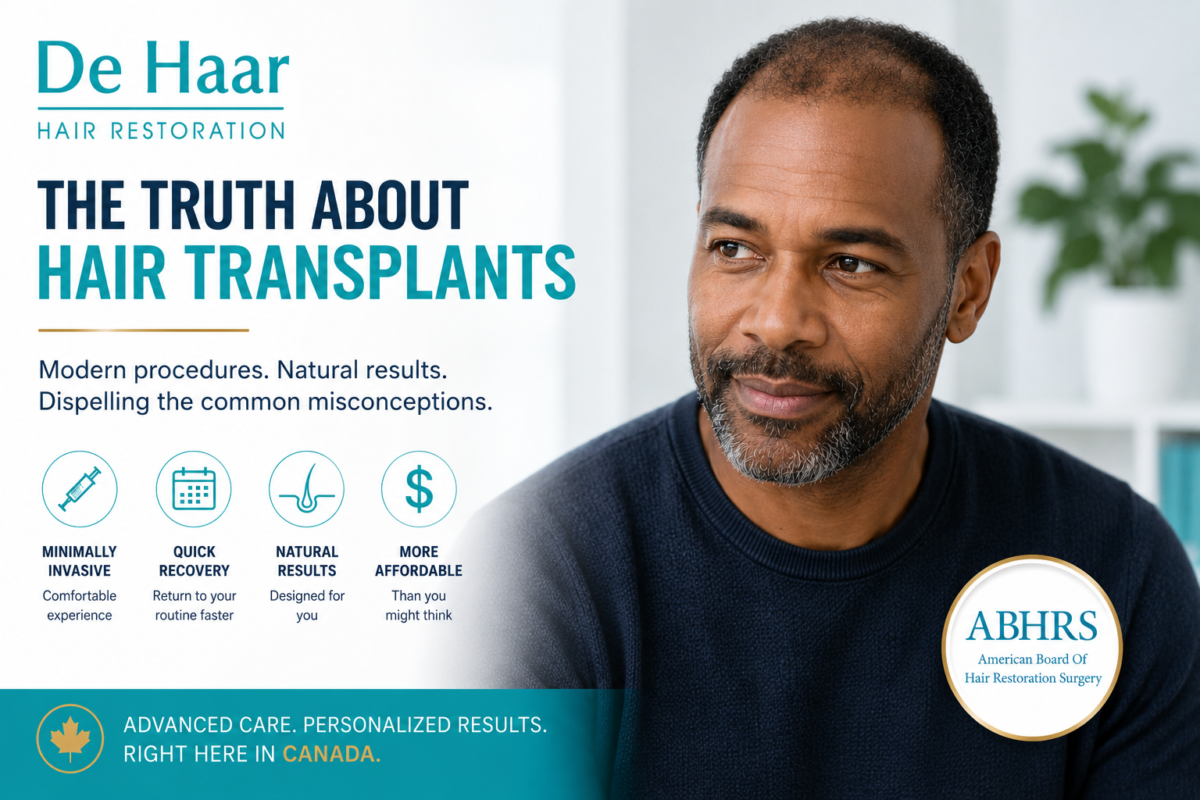
  • ABHRS Certification: Check if they are certified by the American Board of Hair Restoration Surgery (ABHRS). This is the only certification recognized by major global societies
  • Core Specialty: Confirm they are board-certified (AMA or CMA) licensed physician with additional specialties and additional training and certification in hair restoration surgery
  • ISHRS Professional Memberships: Look for membership in the International Society of Hair Restoration Surgeons (ISHRS)
  • Years of Experience: Find out how many year your surgeon has been performing hair transplantation
  • License Check: Run the doctor’s name through their local state medical board directory to ensure they have an active license with no outstanding disciplinary actions
  1. Check Before-and-After Portfolio

Evaluate their work using a critical eye. It is also key to remember not everyone has the same donor supply, goals or resources so the surgeon must work to fulfill the patients’ needs in all aspects. Ask about photos of results you see.

  • High-Resolution Quality: Avoid blurry, dimly lit, or inconsistently angled photos designed to mask poor results
  • Natural Hairlines: Examine the angle, direction, and density of the hair placement; a quality transplant should be completely undetectable
  1. Evaluate the Consultation and Clinic Structure

A proper consultation is a medical evaluation, not a transaction. Book an initial session and watch out for specific red flags:

  • The Doctor should give you a diagnosis on the cause of your hair loss and do further testing if illness is suspected.
  • A Great Doctor: will assess you and give you the best options for you and your circumstances and may even recommend not doing a hair transplant if you are not a good candidate with a thorough explanation as to why.
  • Doctor-Led Care: The physician must design your hairline, map out graft counts, and perform the critical surgical steps like incisions and follicle harvesting.
  • A Trichoscopy exam is performed in offices where serious consideration as to your donor supply is taken into account.
  • Avoid “hair mills” where independent, unlicensed technicians perform the actual surgery.
  • Patient Volume: Ask how many procedures the surgeon performs per day. A high-quality surgeon typically schedules only 1 or 2 patients daily to maintain focus.
  • Long-Term Planning: Because hair loss is progressive, a reliable doctor plans your hairline based on your future aging patterns, ensuring you do not completely deplete your finite donor area hair supply.
  • After Transplant Care: a professional and experienced clinic will provide an excellent after care and follow up program.

What to Avoid

  • High-pressure tactics: Limited-time discounts or sales calls pushing you to book a surgery date immediately.
  • Guaranteed results: Avoid any doctor who tells you that 100% of your grafts will take or that your original teenage hair density is achievable.
  • Technician-only operations: Clinics where you do not meet or speak with the actual licensed doctor until the day of the procedure.
  • No Donor Area assessment: Avoid committing to a surgery where your scalp and donor density has not been thoroughly assessed.
  • No Long term plan: A long term plan is an absolute must.

Bottom Line

  • Remember ABHRS Trained Surgeon
  • ISHRS Member
  • Years of Experience
  • Quality Work
  • Ethical Practice and Excellent Reputation

Important Note: Many clinics are happy to schedule you a surgery and take your donor hair follicles to transplant and do not emphasize that you have a limited supply. You may initially be thrilled with the results, but what they do not tell you is what happens when the area surrounding the transplant continues to thin out. This factor is always addressed with a good surgeon and this is why it is critical to know who you are dealing with, making sure they are first and foremost an ethical practice. Overharvesting of the donor supply area is a huge problem, many unscrupulous clinics take advantage leaving you to deal with the aftermath down the road.

Please do your homework and follow these guidelines so you are not caught off guard dealing with issues down the road.

Tuesday - Saturday 9:00AM-5:00PMSunday and Monday - CLOSED2550 12 Ave #110, Regina, SK S4P 3X1(306) 522-2210hello@dehaarhair.ca

Copyright © 2026 De Haar Hair Restoration. All Rights Reserved.