
Hairline Design In Hair Transplantation
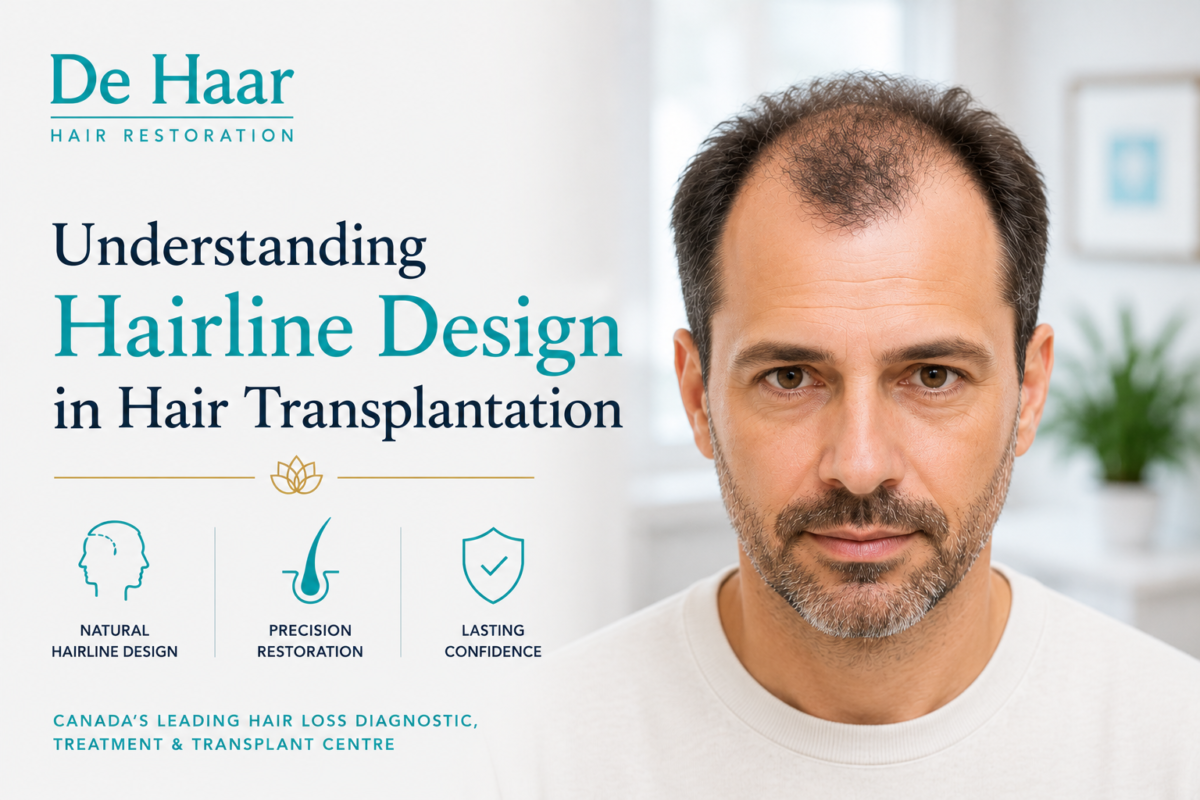
When people think about a successful hair transplant, they often focus on the number of grafts transplanted. While graft count certainly matters, one of the most important factors in achieving a natural-looking result is something many patients never consider and that is the design of the hairline. A well-designed hairline should never draw attention to itself. Instead, it should complement the individual’s facial features, age, gender, and long-term pattern of hair loss so naturally that it simply looks as though it has always been there. Achieving this balance requires far more than simply placing hair follicles along the front of the scalp. It is a careful blend of medical knowledge, artistic judgment, and meticulous surgical planning. Hairline design is not the same for everyone. Men and women have different facial proportions, different patterns of hair loss, and different aesthetic goals. A hairline that looks natural on a 30-year-old man may appear completely inappropriate for a woman or for someone twenty years older. Every hairline should be designed specifically for the individual rather than following a standard template. In this article, we’ll explore the principles of natural hairline design, the differences between male and female hairlines, the factors surgeons consider before placing the first graft, and why thoughtful planning is essential for achieving results that continue to look natural for many years to come.
Hairline Design: The most Important Stage of the Transplant
Hairline design is the process of planning the shape, position, density, and overall appearance of the hairline to create the most natural-looking result possible. It is one of the most important stages of hair transplantation because the hairline frames the face and is often the first feature people notice. A natural hairline is not simply a straight line drawn across the forehead. It is carefully designed to suit each individual’s facial proportions, age, gender, ethnicity, hair characteristics, and pattern of hair loss. Even subtle changes in the height, shape, or contour of the hairline can significantly influence a person’s overall appearance. Successful hairline design also requires careful long-term planning. Hair loss is often progressive, particularly in men with androgenetic alopecia. Designing a hairline that is too low, too straight, or too dense may look appealing immediately after surgery but can appear unnatural as hair loss continues over time. A well-designed hairline should look appropriate not only today but also many years into the future.
At De Haar Hair Restoration, we believe hairline design is where science and artistry come together. Every hairline is individually planned to create a natural appearance that complements the patient’s unique facial features while respecting the limitations of their donor hair and the likelihood of future hair loss.
The Principles of a Natural Hairline
Designing a natural hairline is one of the most important aspects of a successful hair transplant. While many people focus on the number of grafts transplanted, the position, shape, and appearance of the hairline have a far greater influence on whether the result looks natural. A well-designed hairline should enhance the face without drawing attention to itself. In fact, the best hairlines are the ones people never notice. A natural hairline begins with facial harmony. Rather than placing the hairline at a fixed height, experienced surgeons evaluate the proportions of the face, including the forehead, eyes, nose, and chin, to determine a position that creates balance. The goal is not to create the lowest possible hairline, but one that complements the individual’s facial features and looks appropriate throughout life. Age is another important consideration. Hairlines naturally mature over time, and a hairline that appears suitable in a person’s twenties may not look natural decades later. Designing a mature, age-appropriate hairline helps ensure the result continues to look believable as the patient ages. Creating an unnaturally low or juvenile hairline may produce an attractive result initially but can become increasingly noticeable and difficult to maintain if future hair loss occurs.
Softness is another hallmark of a natural hairline. In nature, hairlines are rarely perfectly straight or symmetrical. Instead, they contain subtle irregularities and slight variations that create a soft, feathered transition between the forehead and the hair-bearing scalp. During transplantation, single-hair follicular units are carefully placed along the leading edge of the hairline to recreate this natural appearance, while larger follicular units are positioned further behind to gradually build density. Density must also be carefully planned. While patients often request the densest hairline possible, placing too many grafts too close together at the front can create an unnatural appearance and unnecessarily consume valuable donor hair. A natural-looking result is achieved by creating the illusion of density through careful graft placement while preserving donor hair for the future should additional hair loss occur. Finally, every hairline should be designed with the future in mind. Pattern hair loss is often progressive, particularly in men. A successful hair transplant is not simply about how the hairline looks immediately after surgery—it is about how it will look five, ten, or even twenty years later. Careful long-term planning helps ensure that the transplanted hair continues to appear natural as surrounding native hair changes over time. For these reasons, hairline design is often considered the artistic foundation of hair transplantation. It requires a thorough understanding of facial aesthetics, hair biology, and the natural aging process. When these principles are combined with meticulous surgical technique, the result is a hairline that restores confidence while remaining virtually undetectable.
Male Hairline Design
Designing a natural male hairline involves much more than deciding where the hair should begin. A successful hairline must complement the patient’s facial features, reflect their age, respect their pattern of hair loss, and remain natural-looking as they continue to age. The objective is not to create the lowest or straightest hairline possible, but one that appears as though it has always belonged to the individual. One of the defining characteristics of a natural male hairline is the presence of a mature hairline. As men age, it is normal for the hairline to move slightly higher and develop gentle recession at the temples. Attempting to recreate a teenage hairline in an adult male often results in an appearance that looks artificial and can create significant challenges if future hair loss occurs. Designing a mature, age-appropriate hairline helps ensure the result remains balanced and believable for years to come. The shape of the hairline is equally important. A natural male hairline is rarely perfectly straight or symmetrical. Instead, it follows gentle curves with subtle irregularities that soften the transition between the forehead and the hair-bearing scalp. These natural variations help prevent the transplanted hairline from appearing too uniform or unnatural. Hair characteristics also influence the design. Factors such as hair colour, hair calibre, curl, wave, and contrast between the hair and skin all affect how much density is required to achieve a natural appearance. For example, thicker or curlier hair often provides greater visual coverage than fine, straight hair, allowing excellent cosmetic density with fewer grafts. Every hairline should be customized to the individual’s unique hair characteristics rather than following a standard design. Donor hair availability is another essential consideration. The donor area contains a finite number of permanent follicles, making careful planning critical. Designing a hairline that is excessively low or overly dense may use a disproportionate amount of donor hair in the frontal scalp, leaving fewer grafts available should additional restoration be needed in the future. An experienced surgeon plans not only for the initial procedure but also for the possibility of ongoing hair loss over the patient’s lifetime.
Female Hairline Design
Designing a female hairline requires a different approach than designing a male hairline. While the principles of facial harmony, naturalness, and long-term planning remain the same, the aesthetic goals are often very different. In most women, the objective is to create a soft, feminine hairline that frames the face naturally while preserving the unique characteristics that distinguish a female hairline from a male one. Unlike men, women typically maintain their frontal hairline even when experiencing female pattern hair loss. Instead, they often notice a gradual reduction in hair density behind the hairline, resulting in a wider part and diffuse thinning across the top of the scalp. For this reason, many female hair transplant procedures focus on restoring density within the frontal scalp rather than significantly altering the position of the hairline itself. When hairline lowering or reconstruction is appropriate, careful planning is essential. A feminine hairline is generally softer and more rounded than a male hairline, with gently curved temporal corners rather than pronounced recession at the temples. The transition between the forehead and the hair-bearing scalp should appear delicate and natural, using fine single-hair follicular units along the leading edge to recreate the soft, feathered appearance found in nature.
Facial proportions also play a significant role in female hairline design. The surgeon carefully evaluates the height and width of the forehead, facial symmetry, eyebrow position, and overall facial balance before determining the most appropriate hairline. The goal is not simply to lower the hairline, but to create one that enhances the patient’s natural features and complements their face from every angle. As with male hairline design, donor hair availability and long-term planning remain important considerations. Every procedure should be designed with the understanding that hair loss patterns may continue to change over time. By preserving donor hair and creating a balanced, age-appropriate design, the result is more likely to remain natural and harmonious for many years to come. Ultimately, the most successful female hairlines are those that look effortless. They should soften the face, restore natural framing, and blend seamlessly with the surrounding hair, leaving no obvious signs that a hair transplant has been performed.
Ultimately, the most successful hairlines are those that go unnoticed. Friends, family, and colleagues should simply see a natural-looking head of hair rather than a visible hair transplant. Thoughtful planning, artistic judgment, and meticulous graft placement are what transform a technically successful procedure into a truly exceptional result.
Factors That Influence Hairline Design
Every hairline should be designed specifically for the individual. While there are well-established principles that guide natural hairline design, no two patients have the same facial features, pattern of hair loss, or long-term goals. A successful hair transplant begins with understanding these individual characteristics and developing a plan that is both aesthetically pleasing and medically appropriate. One of the first considerations is the patient’s facial proportions. The height and width of the forehead, the shape of the face, the position of the eyebrows, and overall facial balance all influence where a hairline should be placed. Even small adjustments to the position or contour of the hairline can have a significant impact on a person’s overall appearance. The patient’s age is another important factor. Hairlines naturally mature over time and designing a hairline that is appropriate for a patient’s current age helps ensure it continues to look natural in the years ahead. Long-term planning is especially important in younger patients, who may continue to experience progressive hair loss as they age. Hair characteristics also play a significant role in the overall design. Hair calibre, colour, curl, wave, and the contrast between the hair and skin all affect how much visual coverage can be achieved. For example, coarse or curly hair often creates the appearance of greater density than fine, straight hair. These characteristics influence not only the number of grafts required but also how they are distributed throughout the hairline. Donor hair availability is another essential consideration. Because the donor area contains a limited number of permanent hair follicles, every graft is a valuable resource. A thoughtful design balances the patient’s immediate goals with the need to preserve donor hair for the future, particularly if additional procedures may become necessary as hair loss progresses. Finally, understanding the patient’s expectations is an important part of the planning process. While patients often arrive with a clear idea of how they would like their hairline to look, achieving the most natural and long-lasting result sometimes means recommending a design that differs from their initial expectations. Open communication between the patient and surgeon helps ensure the final hairline complements the individual’s facial features while remaining realistic, sustainable, and natural-looking.
Common Hairline Design Mistakes
A successful hair transplant is not measured simply by the survival of the transplanted grafts. It is measured by how natural the hairline looks today and how well it continues to age over the coming decades. Thoughtful planning helps avoid design choices that may appear attractive initially but become less natural as time passes. One of the most common mistakes is creating a hairline that is too low. While many patients understandably wish to restore the hairline they had in their late teens or early twenties, this is not always the most appropriate long-term solution. An excessively low hairline requires a large number of grafts and may appear unnatural as the face matures or if surrounding hair continues to thin. An age-appropriate hairline is often the key to achieving a result that remains believable for years to come. Another common mistake is designing a hairline that is perfectly straight or overly symmetrical. Natural hairlines contain subtle irregularities, gentle curves, and slight variations in hair direction. These small imperfections are what make a hairline look authentic. A perfectly straight, uniform hairline can immediately draw attention and may give the appearance of an artificial result. Overly aggressive density at the front of the hairline is another design error. While a dense hairline may seem desirable, placing too many grafts in the frontal edge can create an unnatural appearance and use a significant portion of the available donor hair. A natural-looking result is achieved by gradually increasing density from the front of the hairline toward the scalp behind it, creating the illusion of fullness while preserving valuable donor follicles. Failing to plan for future hair loss can also compromise long-term results. Androgenetic alopecia is a progressive condition, particularly in men, and the pattern of hair loss often changes over time. Designing a hairline without considering future progression may result in transplanted hair remaining at the front while the surrounding native hair continues to thin. A comprehensive treatment plan should always consider how the hairline will look not only after surgery, but also many years into the future. Finally, every patient is unique, and there is no such thing as a “one-size-fits-all” hairline. Facial proportions, age, hair characteristics, donor hair availability, and individual goals must all be considered when designing a hairline that looks natural. The most successful results are those that complement the individual rather than following trends or standardized templates.
Why Long-Term Planning Matters
One of the defining characteristics of a successful hair transplant is that it continues to look natural many years after the procedure. While it is easy to focus on the immediate result, experienced hair restoration surgeons understand that hair transplantation is a long-term investment. Every decision made during the planning process should consider not only how the hairline will look today, but how it will appear as the patient continues to age. For patients with androgenetic alopecia, hair loss is often progressive. Although transplanted hair is typically resistant to the effects of DHT, the surrounding native hair may continue to thin over time. Without careful planning, this can result in an unnatural appearance where the transplanted hairline remains intact while hair behind it continues to recede. Planning for future hair loss helps create a balanced, natural result that ages gracefully. Long-term planning also involves the careful management of donor hair. Because the donor area contains a finite number of permanent hair follicles, these grafts must be used wisely. Creating an excessively low or densely packed hairline may achieve an impressive short-term result, but it can reduce the number of grafts available should additional restoration be needed in the future. Preserving donor hair allows greater flexibility as hair loss progresses and helps ensure natural-looking results throughout a patient’s lifetime.
At De Haar Hair Restoration, every hairline is designed with both the present and the future in mind. Our goal is to create results that not only look natural after your transplant but continue to complement the your appearance throughout the years ahead. By combining careful planning with an understanding of facial aesthetics, hair biology, and future hair loss patterns, we strive to create hairlines that stand the test of time.
Conclusion
A natural-looking hair transplant begins long before the first graft is placed. It starts with thoughtful hairline design. The position, shape, density, and overall character of the hairline all contribute to the final result, influencing not only how the transplant looks today but how it will continue to look throughout the patient’s lifetime. Every individual is unique, and there is no single hairline that suits everyone. Factors such as facial proportions, age, gender, hair characteristics, donor hair availability, and the likelihood of future hair loss all play an important role in developing a personalized treatment plan. Taking the time to carefully evaluate these factors allows a hairline to be designed that appears natural, balanced, and appropriate for the individual.
