

Utkarsh’s Hair Restoration Story
Taking Action Early Instead of Continuing to Hide His Hair Loss
At only 25, Utkarsh is younger than many men who consider hair transplantation. But hair loss had already been on his mind for years. He remembers becoming conscious of his hairline when he was around 14, after someone commented on the size of his forehead. With hair loss also running on both sides of his family, he knew it was something he might eventually have to deal with.
For a long time, he tried to work around it. Different hairstyles helped him disguise the areas that bothered him, and he experimented with other approaches before considering surgery. Eventually, however, those methods stopped giving him the result he wanted.
That was when he decided it was time to do something more permanent.
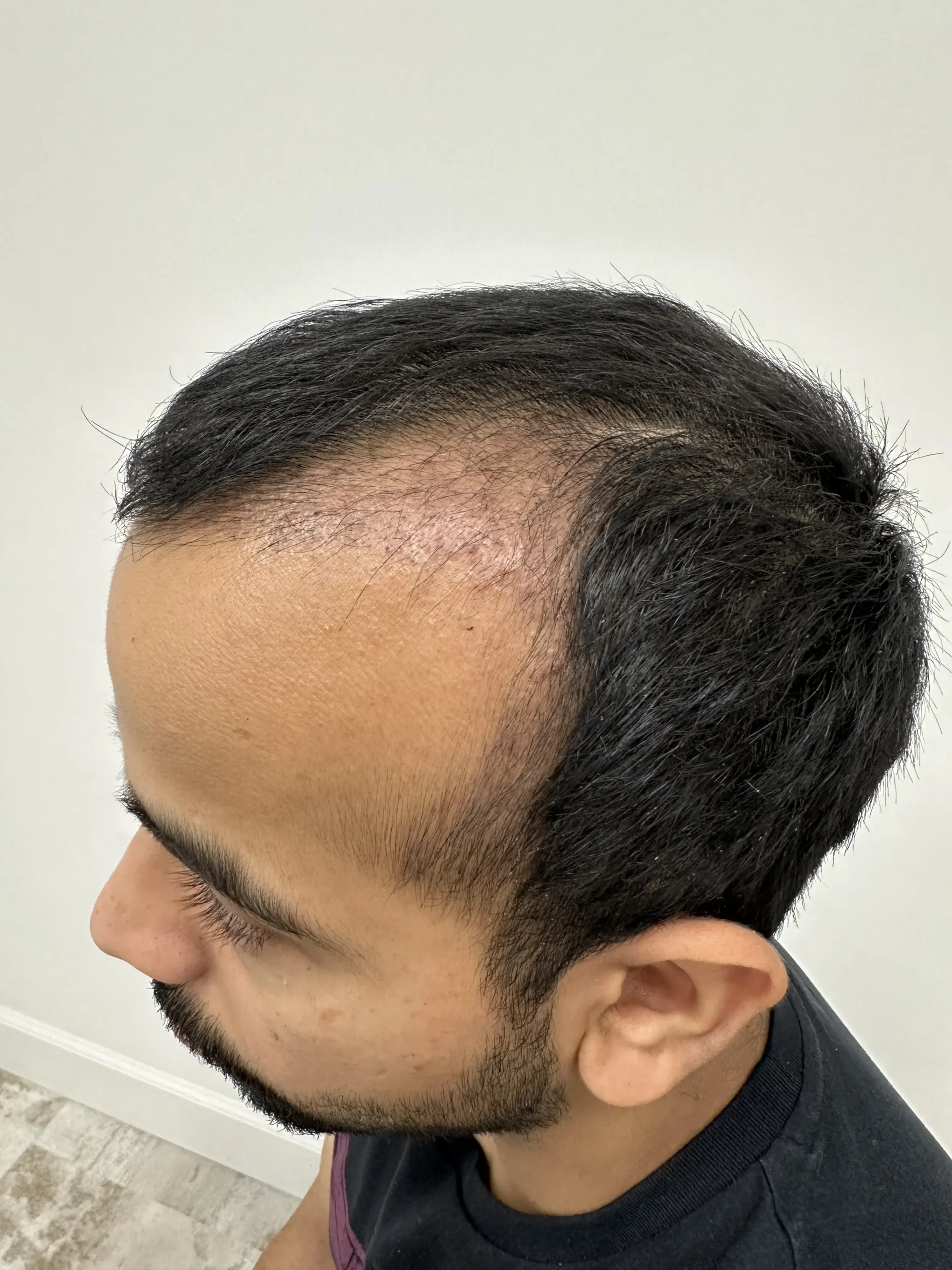
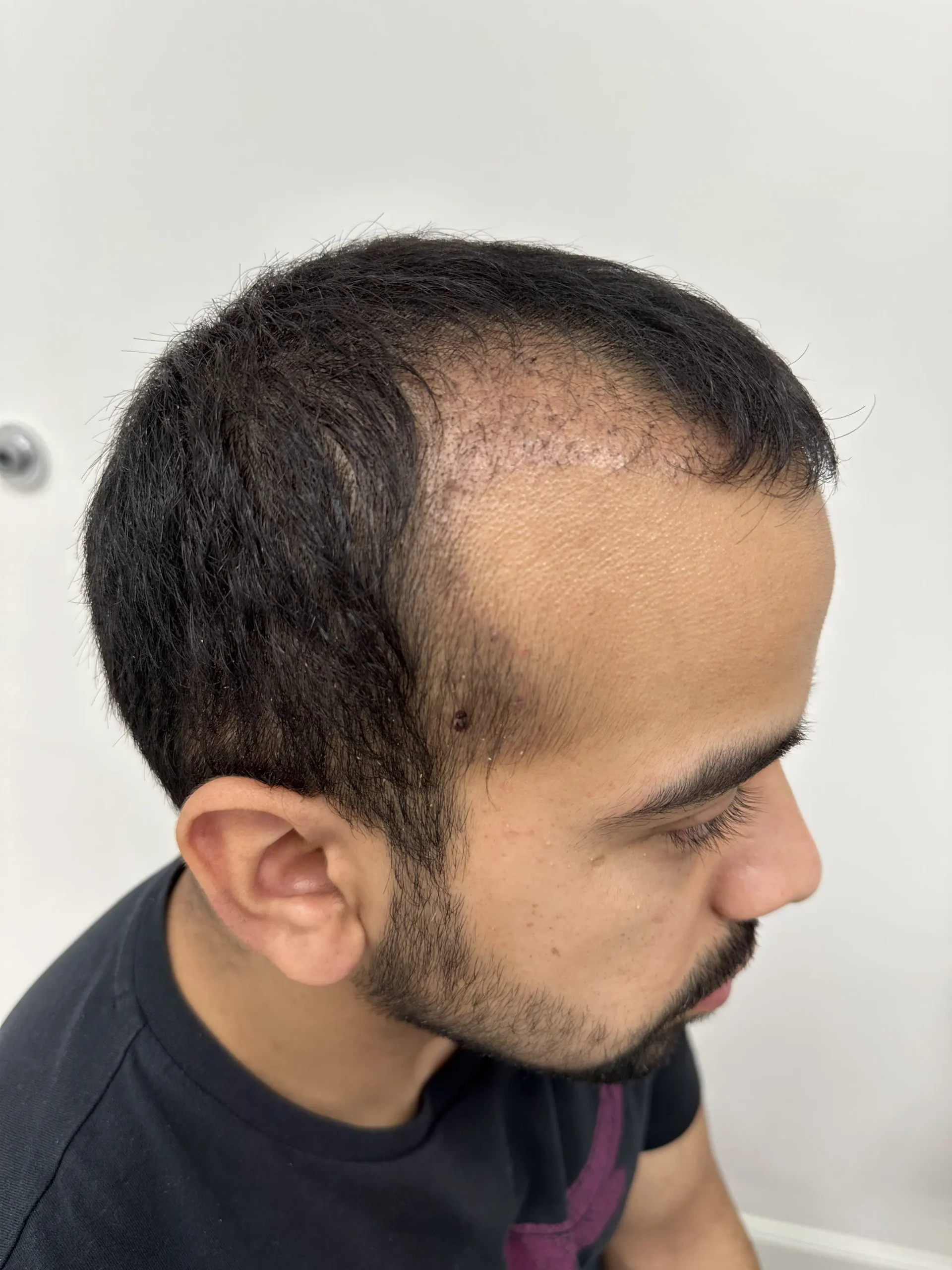
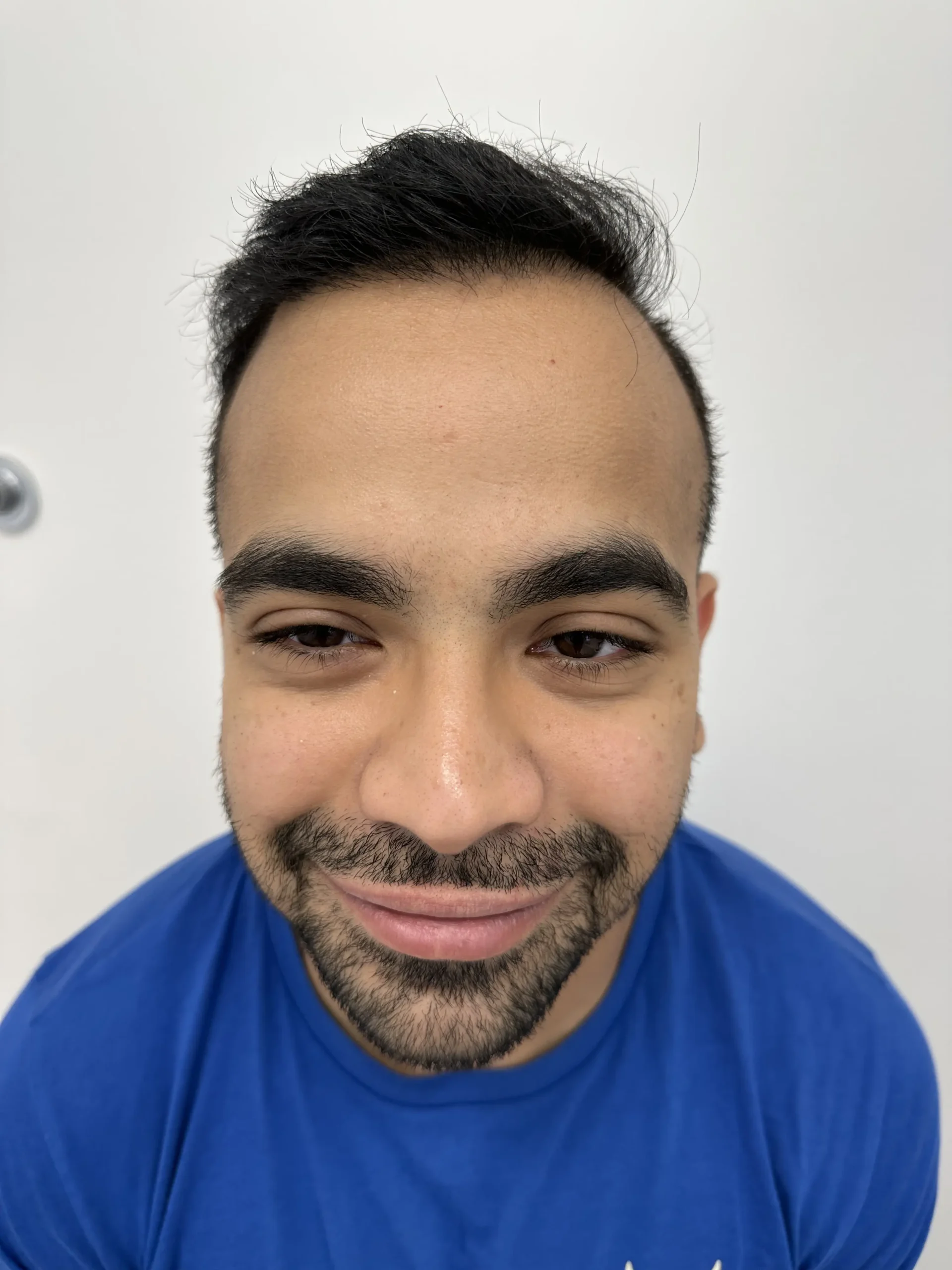
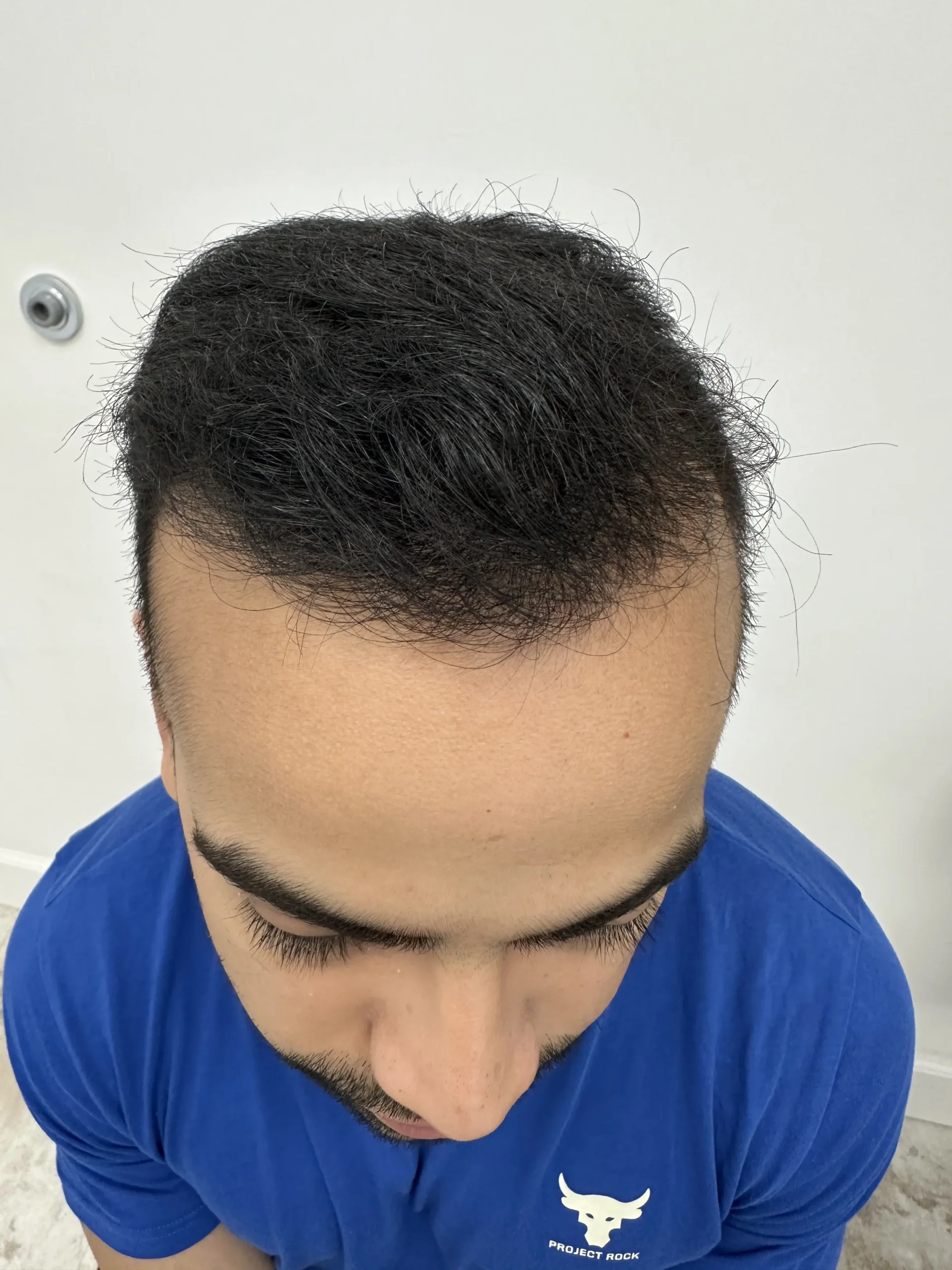
From Avoiding Cameras to Feeling Comfortable in Front of Them
One of the biggest changes for Utkarsh has had very little to do with the number of hairs on his head. It is how he carries himself.
Before his transplant, he says he was much more conscious of situations involving cameras, recordings or groups of people. If something was being filmed, he was more likely to stay toward the back.
That has changed. Today, he feels considerably more comfortable being visible instead of worrying about how his hair looks from a particular angle.
For Utkarsh, that change in confidence has become one of the most meaningful parts of the experience.
Knowing When Hiding It Was No Longer Working
Utkarsh had thought seriously about addressing his hair loss by the time he was around 22.
His family initially encouraged him not to rush into anything and to simply accept the changes to his hair. For a while, he did.
He adjusted his hairstyle and found ways to disguise the recession. But eventually those styling techniques became harder to maintain.
At that point, he felt he had two choices: continue trying to hide the problem or deal with it directly. He chose the second.
Why He Chose to Stay Closer to Home
Utkarsh initially explored the possibility of traveling to Turkey for his hair transplant.
But the procedure itself was only part of the decision. He also thought about what would happen afterward.
If he needed follow-up appointments or had questions during his recovery, traveling internationally again would create another complication. Choosing a clinic closer to home meant he could return when necessary without another major trip.
Distance became an important factor. He also researched patient reviews before making his decision and felt De Haar stood out strongly compared with the alternatives he had considered.
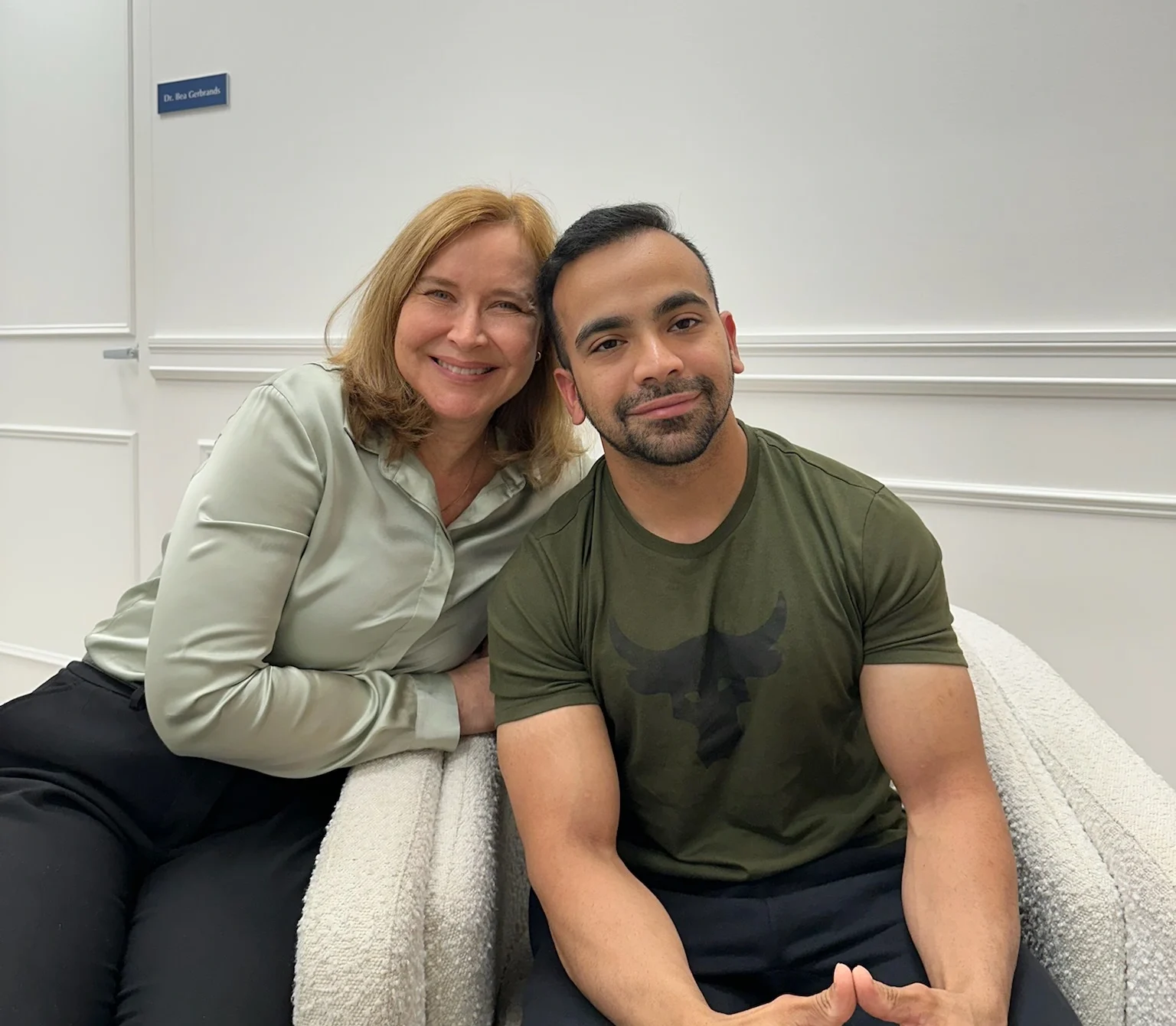
A Surgery Day That Was Easier Than Expected
Like many patients, Utkarsh had some expectations about what the procedure itself might feel like. The actual experience was more comfortable than he expected.
One moment in particular stayed with him. During the procedure, one of the nurses placed her hand on his shoulder to reassure and comfort him.
It may have been a small gesture, but to Utkarsh it represented the level of personal care he experienced during the procedure. He describes it as the kind of thing that goes beyond simply performing the medical treatment.
Seeing the First Signs of Growth
Hair transplant results do not appear overnight, so the early stages require patience.
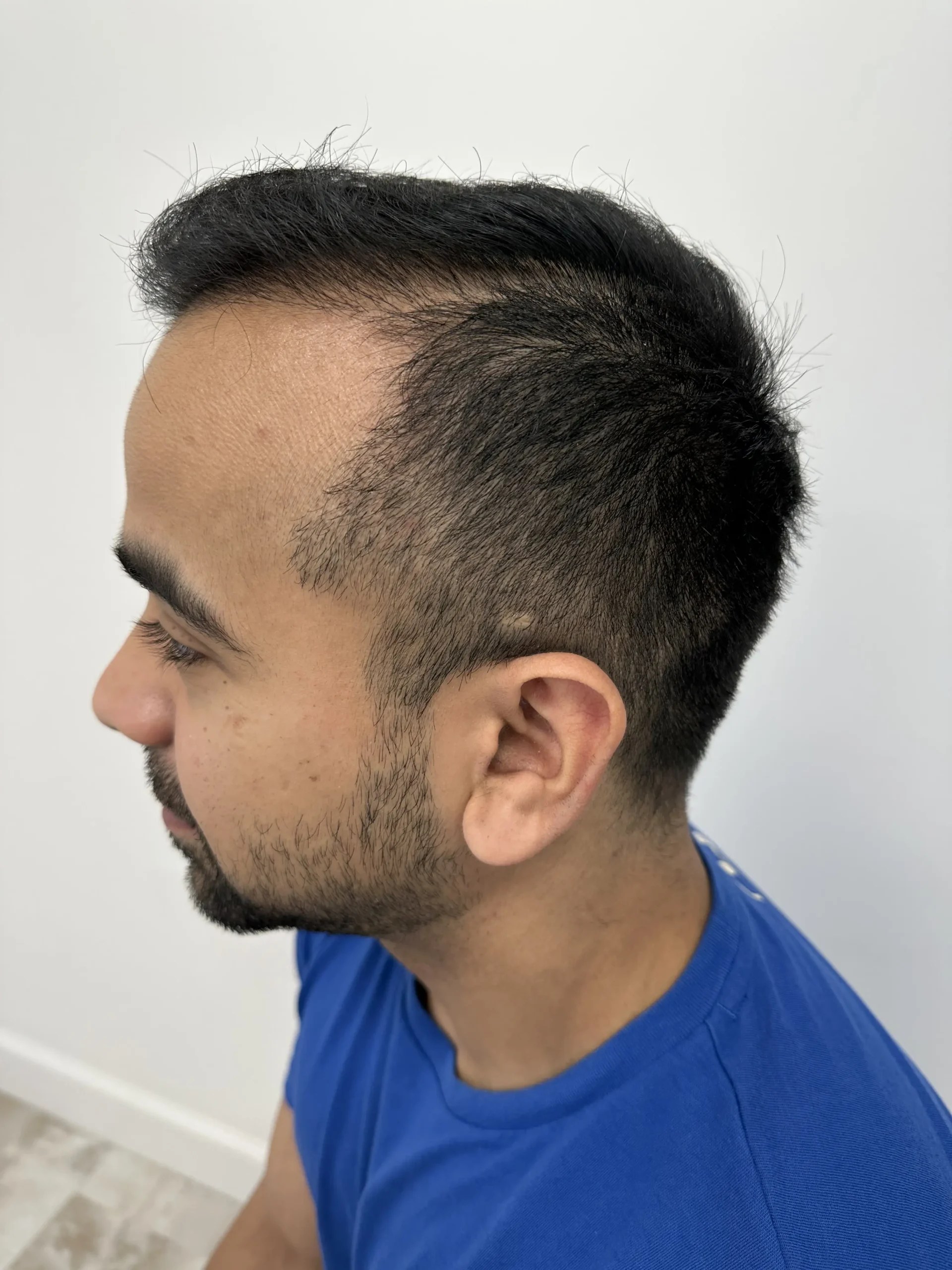
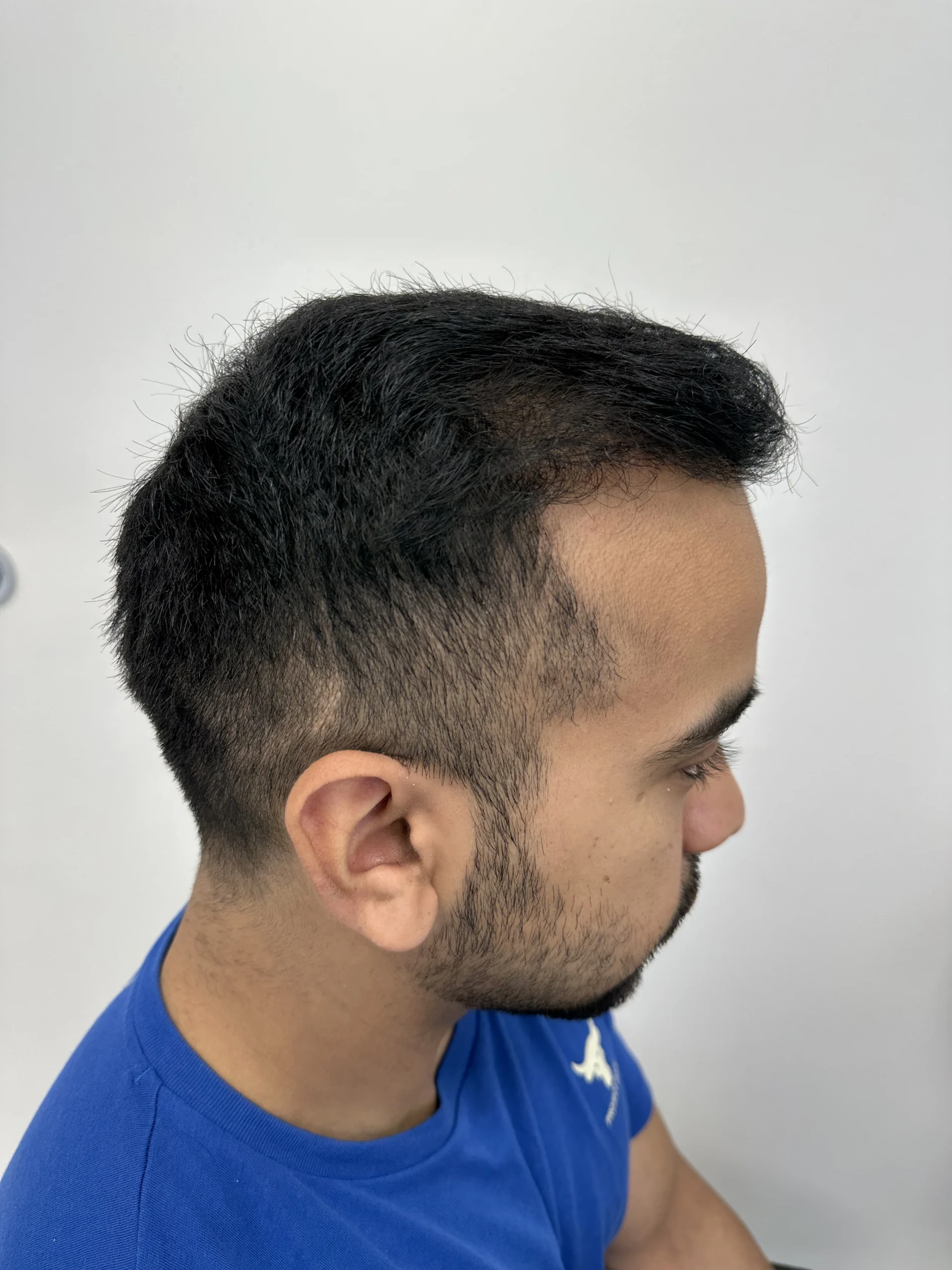
For Utkarsh, the first point when he started thinking, ‘this is really working,’ came at approximately a month and a half after the procedure.
As the changes continued, something else became possible again: choosing a hairstyle because he liked it rather than because he needed it to conceal his hairline.
He particularly appreciates being able to wear his hair shorter. That matters even more during the summer, when longer hairstyles used to be less comfortable in the heat.
His Father Noticed the Difference Too
Utkarsh’s father had watched him try different approaches to his hair loss before surgery.
According to Utkarsh, those earlier attempts never produced a noticeable enough difference. After seeing his transplant progress, his father’s reaction was very different.
He felt that choosing hair transplantation had ultimately been the better path and that Utkarsh could have made the decision sooner.
His Advice to Other Young Men
Utkarsh’s advice is not to spend years jumping from one online remedy to another.
He recommends speaking with a qualified medical professional early and understanding what legitimate treatment options are available for your particular type and stage of hair loss.
If non-surgical treatment is still appropriate, getting professional advice early may give you more options. And if hair transplantation eventually becomes the right solution, understanding that sooner can prevent years of frustration trying to disguise something that continues to bother you.
His broader message to other young men is equally simple: hair loss is a natural process. There is no reason to be embarrassed by it. But if it bothers you, there is also no reason to avoid learning what you can realistically do about it.
Considering your own transformation?
Every journey starts with a conversation. Reach out to learn what’s possible for you.
Our Patient Stories

I finally feel like myself again — the results look completely natural, and I didn’t realize how much my confidence had been affected until it came back.

“Hair restoration was 100% the best decision I ever made. My hair feels fuller, styling is easier, and I feel more confident about my appearance.”
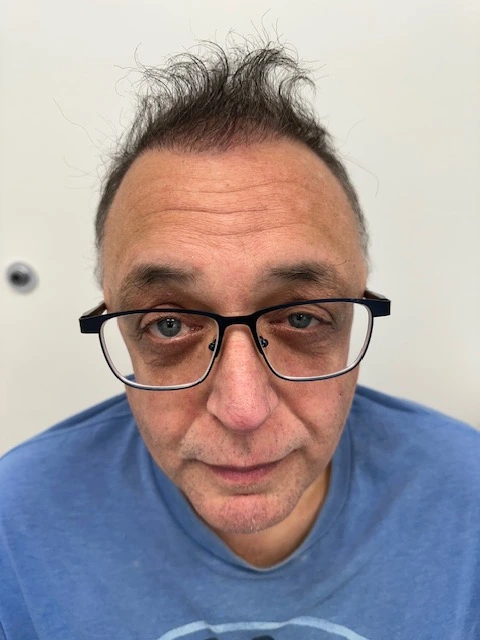
“Martin also went into the recovery period, understanding that hair transplantation takes time. By six months, the difference was becoming visible.
At only 25, Utkarsh is younger than many men who consider hair transplantation. For him, that change has become the most meaningful part of the experience.
