

Martin’s Hair Restoration Story
Taking Action Early Instead of Continuing to Hide His Hair Loss
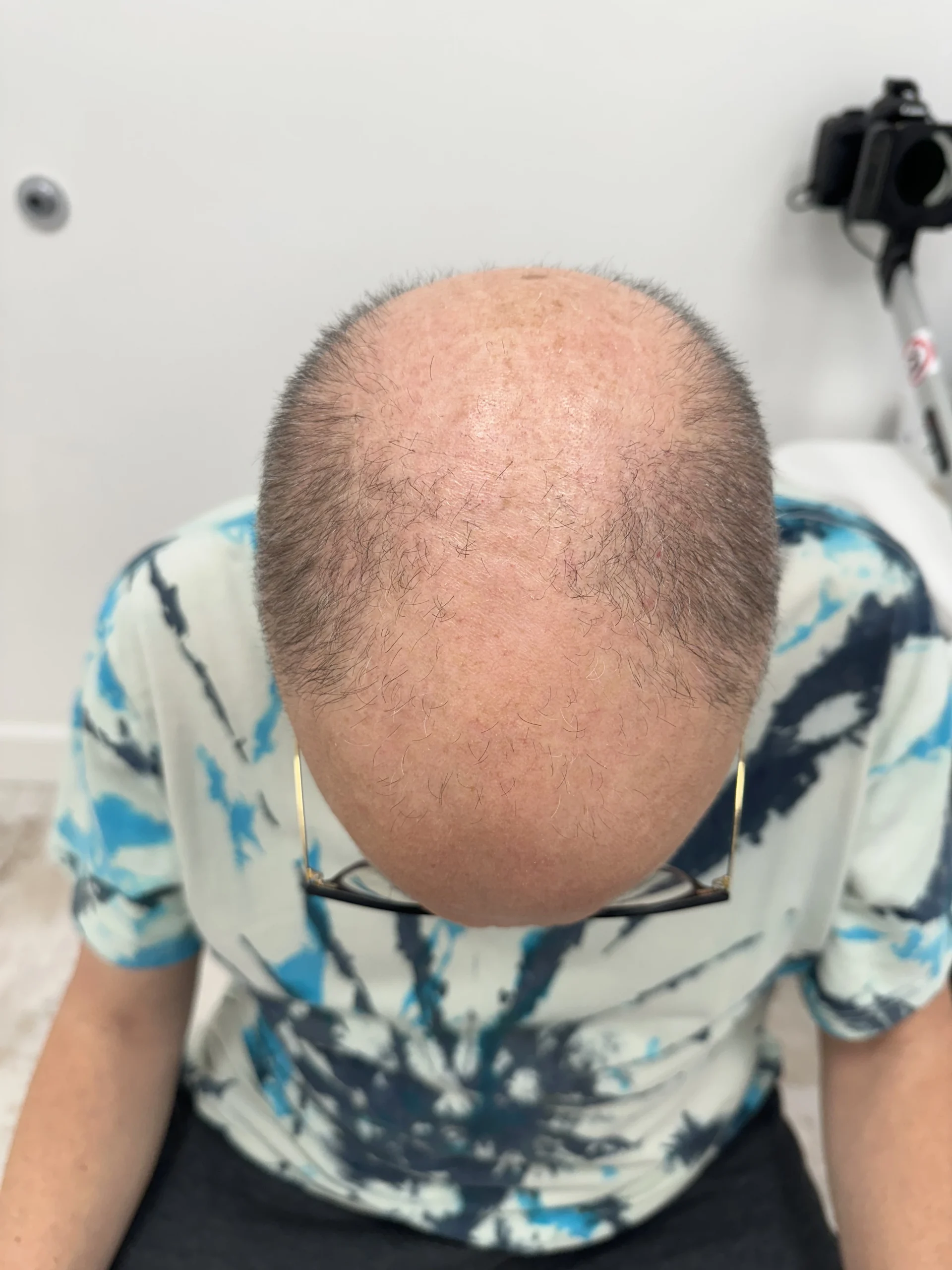
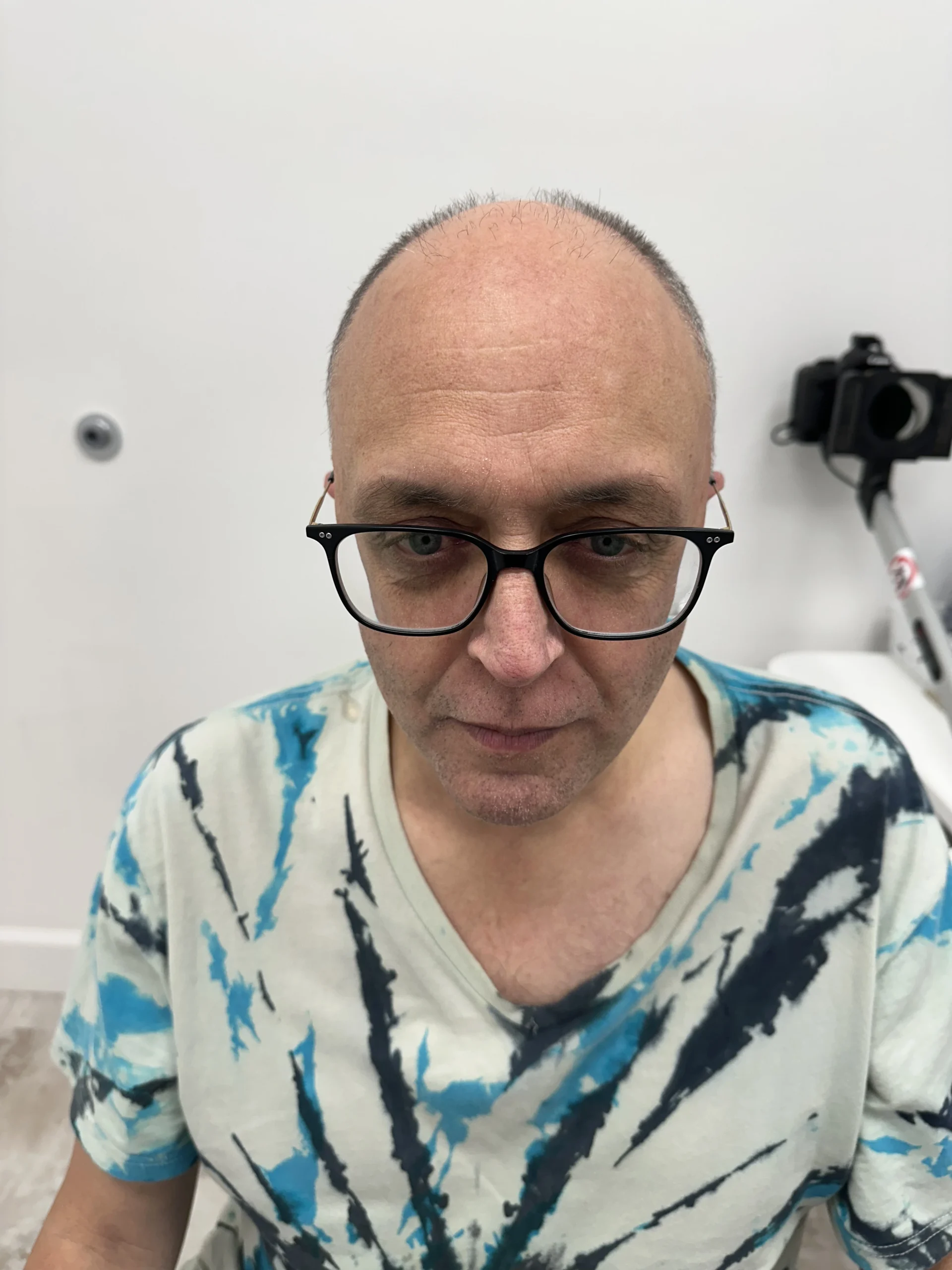
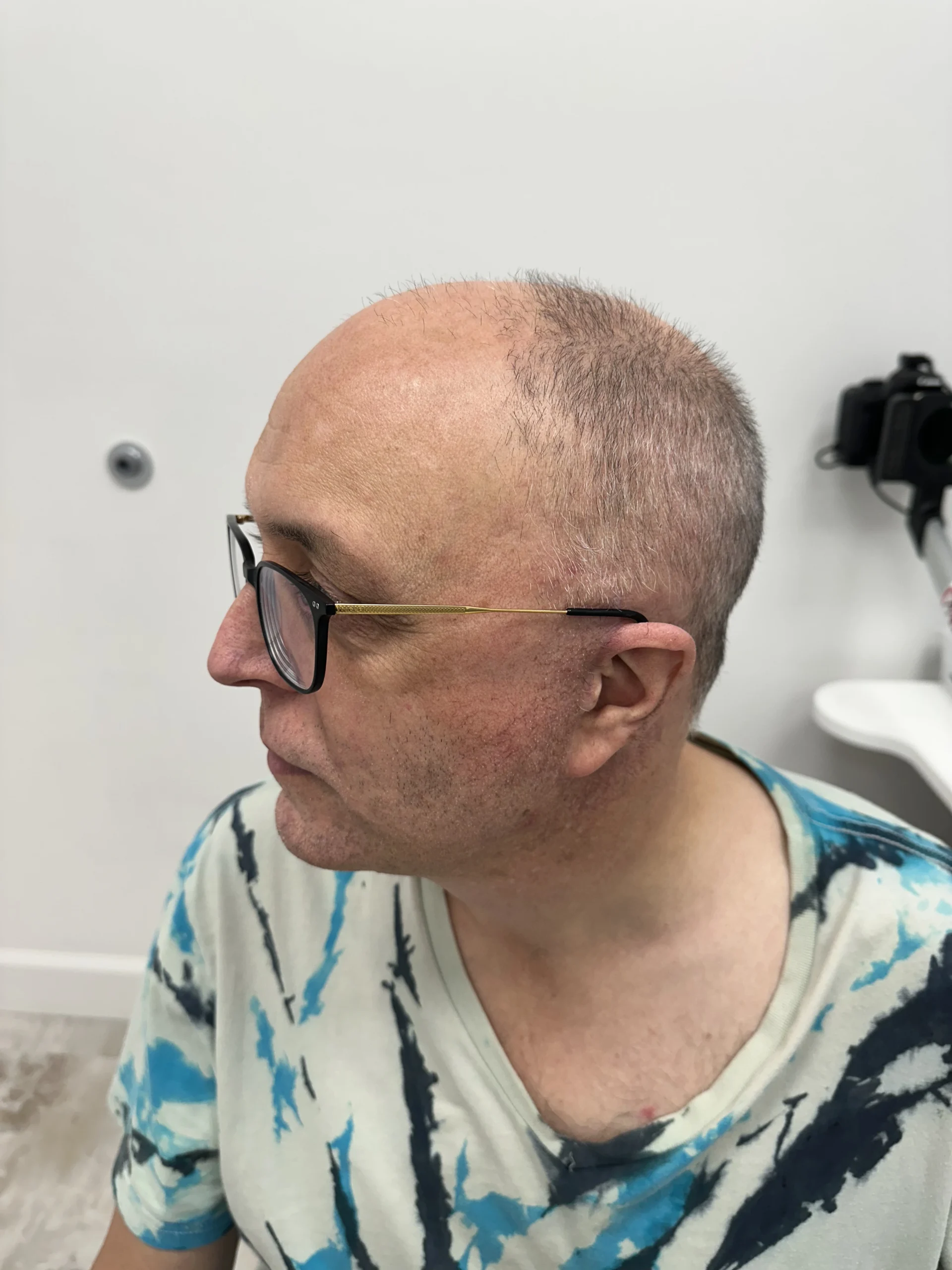
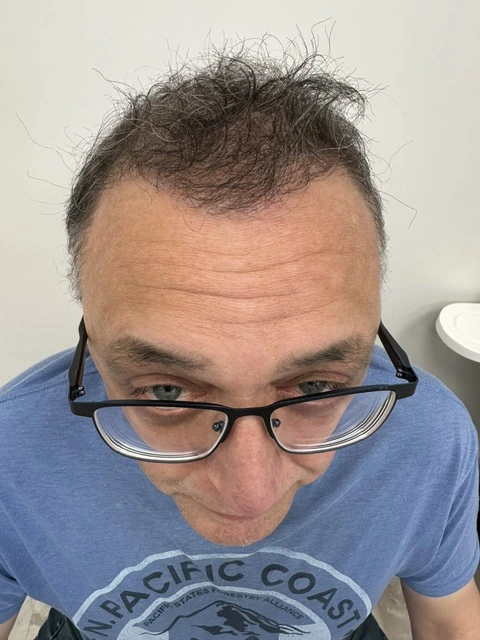
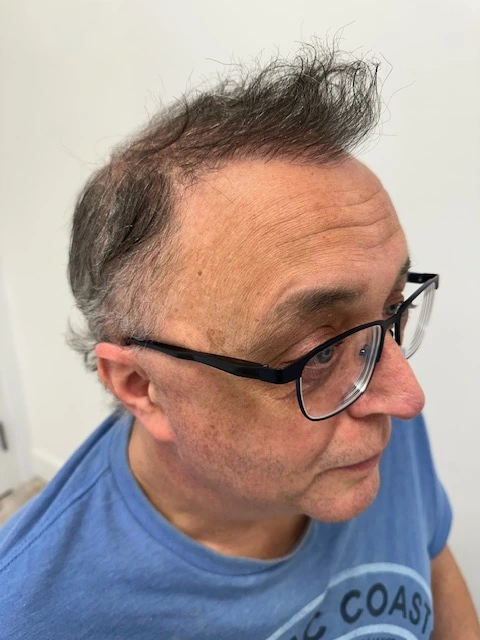
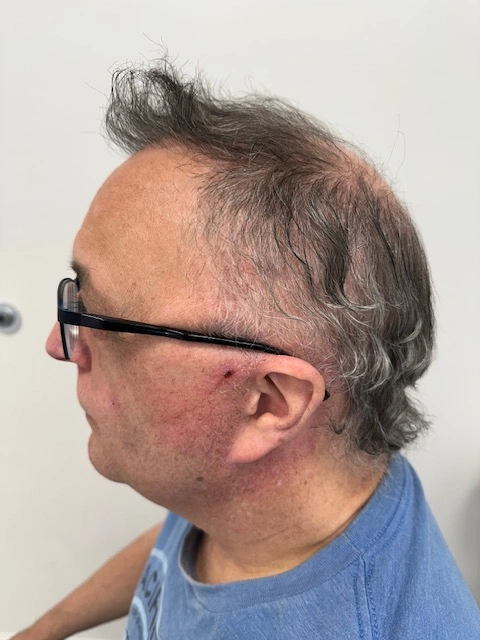
Martin started noticing changes to his hairline when he was still in his mid-20s.
Over the years, the recession became progressively more noticeable, particularly through the front and top. Eventually, it reached the point where he decided that if there was a realistic way to restore what he had lost, he wanted to explore it.
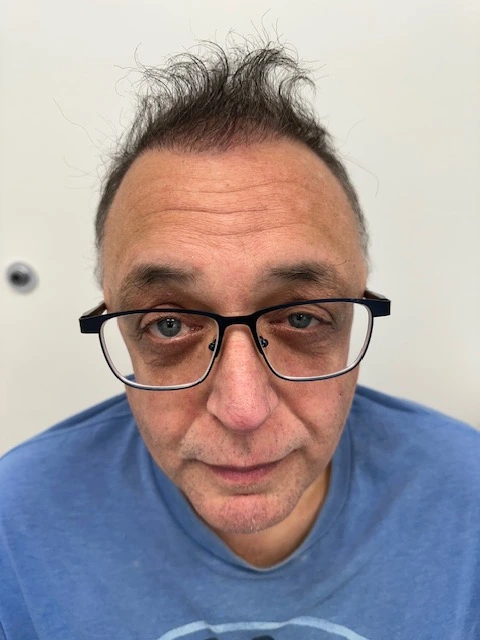
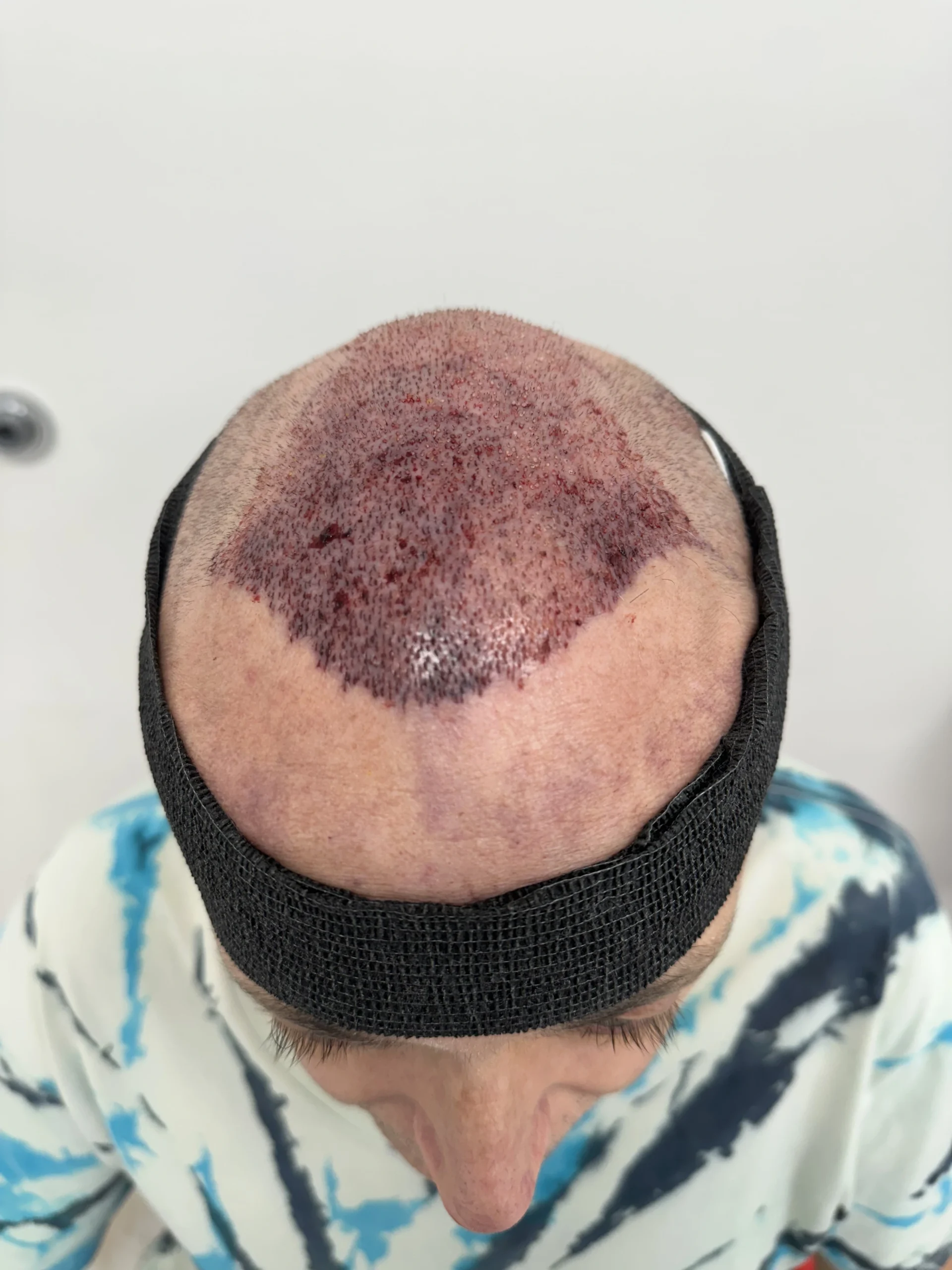
Martin ultimately underwent an FUT hair transplant of approximately 3,700 grafts.
Looking at his before photos and comparing them with where he is today, Martin describes the difference very simply:
“That I have hair. Before, I didn’t have hair.”

Why Martin Decided to Take Action
For Martin, the decision wasn’t driven by panic about getting older or by a sudden loss of confidence.
He already cared about his appearance and had previously undergone other cosmetic procedures. He liked the way he looked — but there was one thing that continued to bother him.
His hairline.
“I liked the way I was looking, except my hairline was not there.”
He began researching the options available to him and looked at providers both locally and outside the area. Once he discovered that hair from the donor area could be transplanted to rebuild the areas he had lost, moving forward started to make sense.
As Martin puts it, he simply preferred having hair to not having it — particularly at the front.
Trusting the Hairline Design
One concern many prospective patients have is whether a hair transplant will look unnatural or whether other people will immediately know something has been done.
That wasn’t a major concern for Martin.
He says he had faith in the team and particularly remembers seeing the proposed hairline drawn before the procedure.
Rather than trying to control every detail himself, he trusted the planning and followed through with the recommended design.
For Martin, that trust was an important part of the process.
Keeping His Expectations Realistic
Martin also went into the recovery period understanding that hair transplantation takes time.
During the first several months, he deliberately kept his expectations under control.
His research had prepared him for the fact that noticeable growth may take months and that every patient progresses differently.
“I had tempered my expectations.”
Because he understood the timeline beforehand, he wasn’t constantly worrying about whether every stage of the recovery process was happening quickly enough.
By the six-month point, however, the difference was already becoming clearly visible.
Completing the Picture
When Martin was asked whether restoring his hair felt like completing something he had already been working toward with his appearance, his answer was yes.
He wanted to look his best.
After losing enough hair that shaving his head became part of the equation, he felt that something was missing. Once he learned that another option existed, researching hair transplantation became a logical next step.
“I think I wanted to look the best, and it just felt incomplete.”
Hair restoration didn’t create an entirely new version of Martin.
It addressed the one part of his appearance that he felt was unfinished.
Considering your own transformation?
Every journey starts with a conversation. Reach out to learn what’s possible for you.
Our Patient Stories
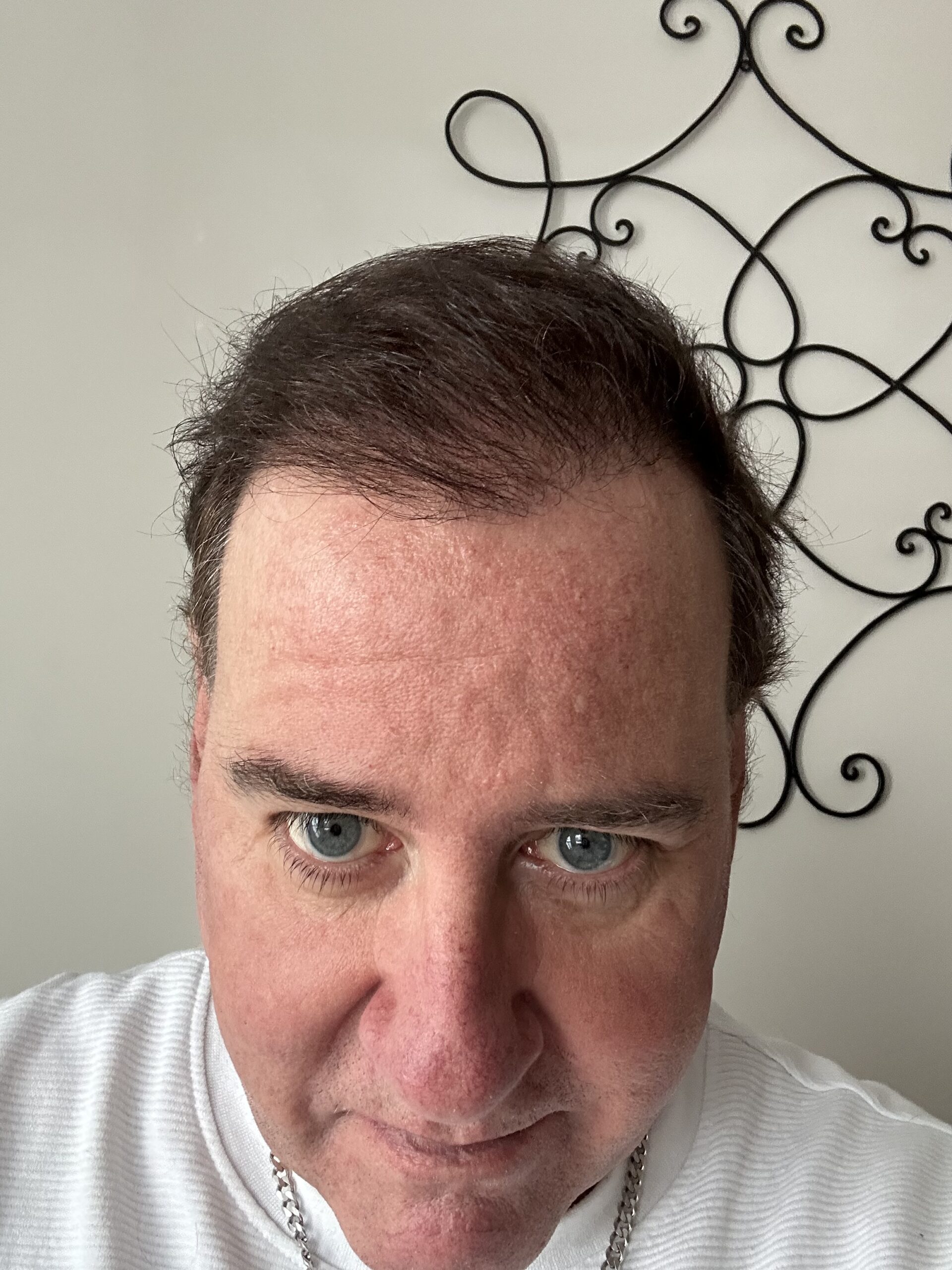
I finally feel like myself again — the results look completely natural, and I didn’t realize how much my confidence had been affected until it came back.
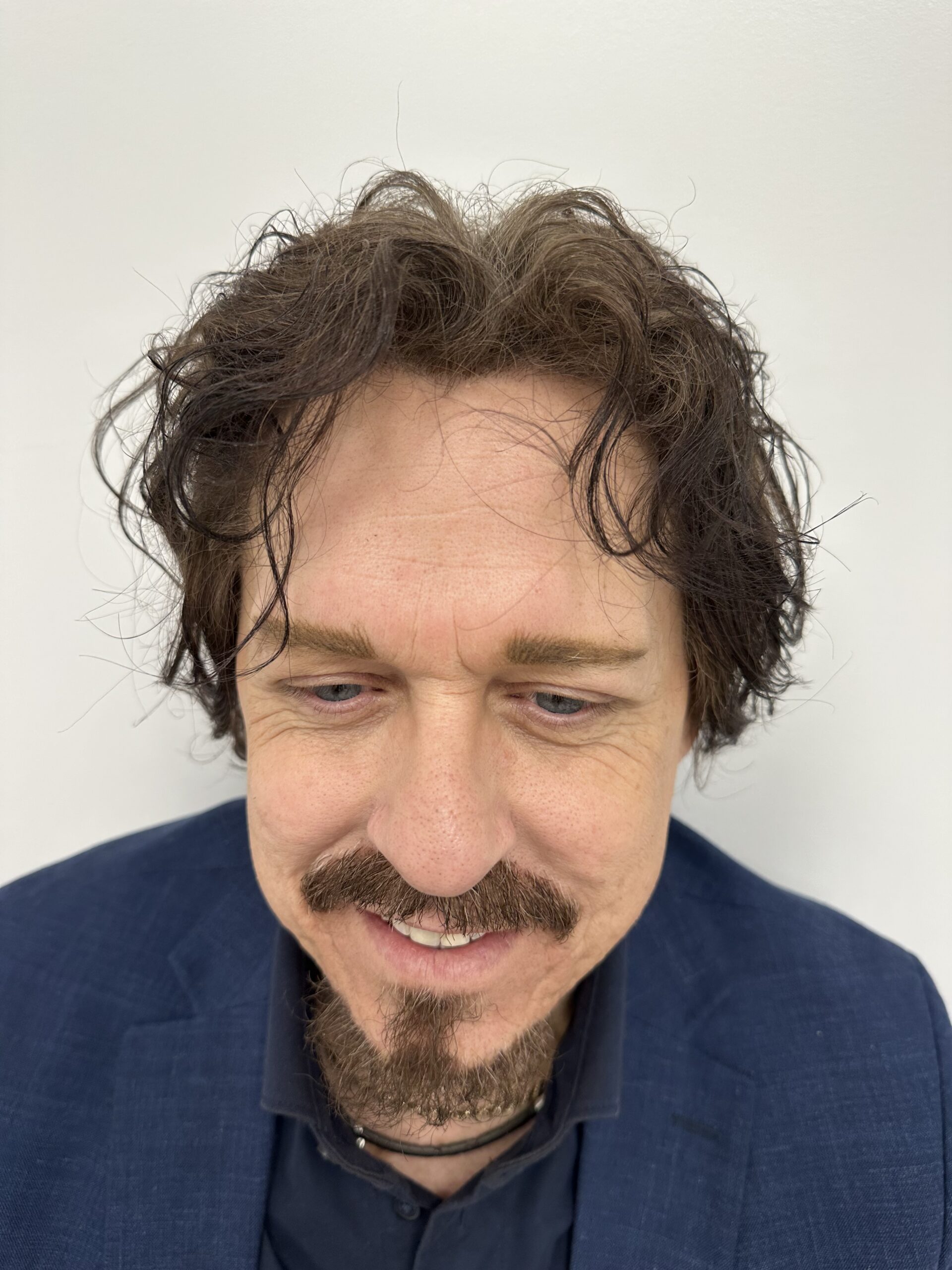
“Hair restoration was 100% the best decision I ever made. My hair feels fuller, styling is easier, and I feel more confident about my appearance.”
“Martin also went into the recovery period, understanding that hair transplantation takes time. By six months, the difference was becoming visible.
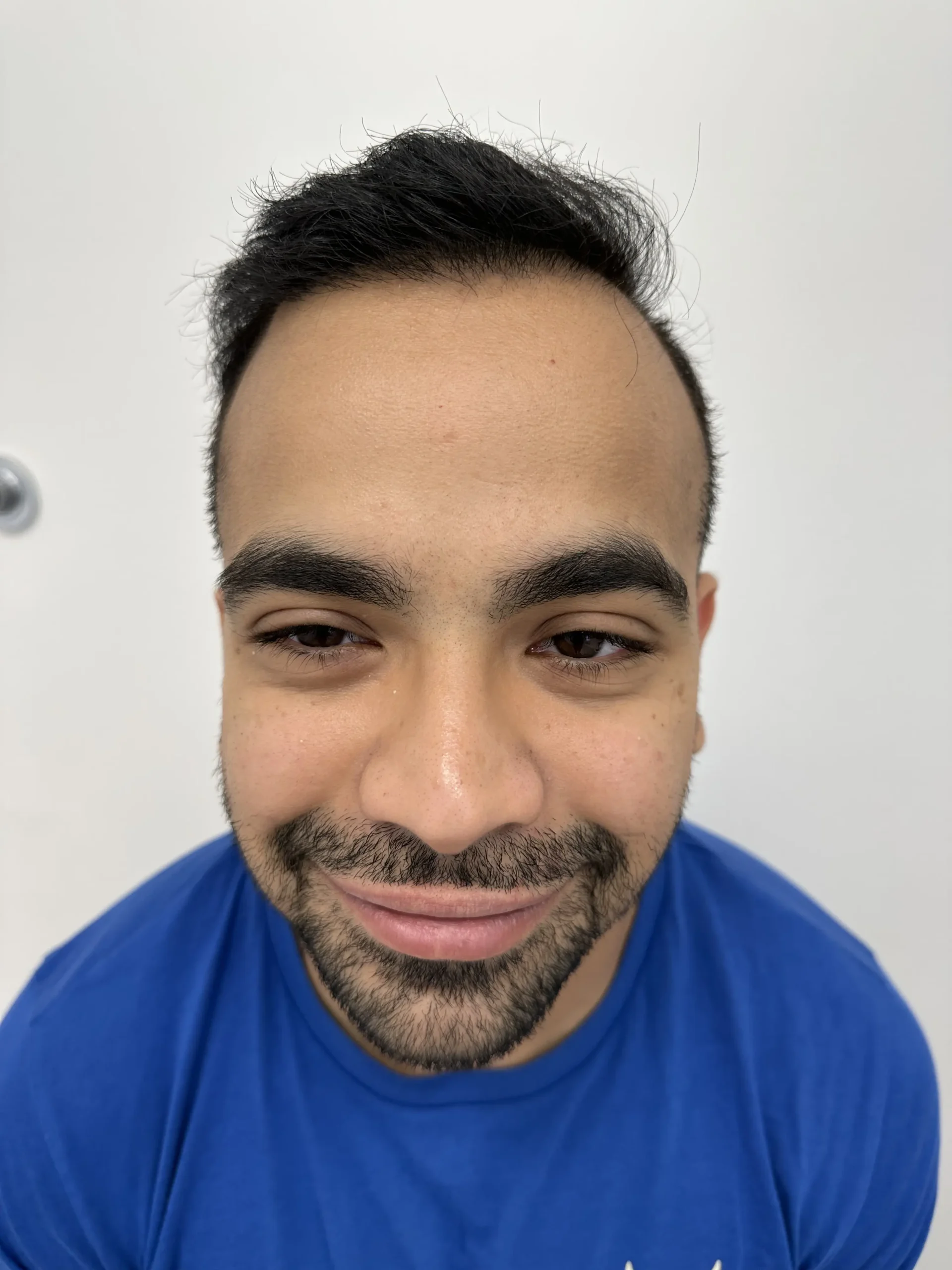
At only 25, Utkarsh is younger than many men who consider hair transplantation. For him, that change has become the most meaningful part of the experience.
